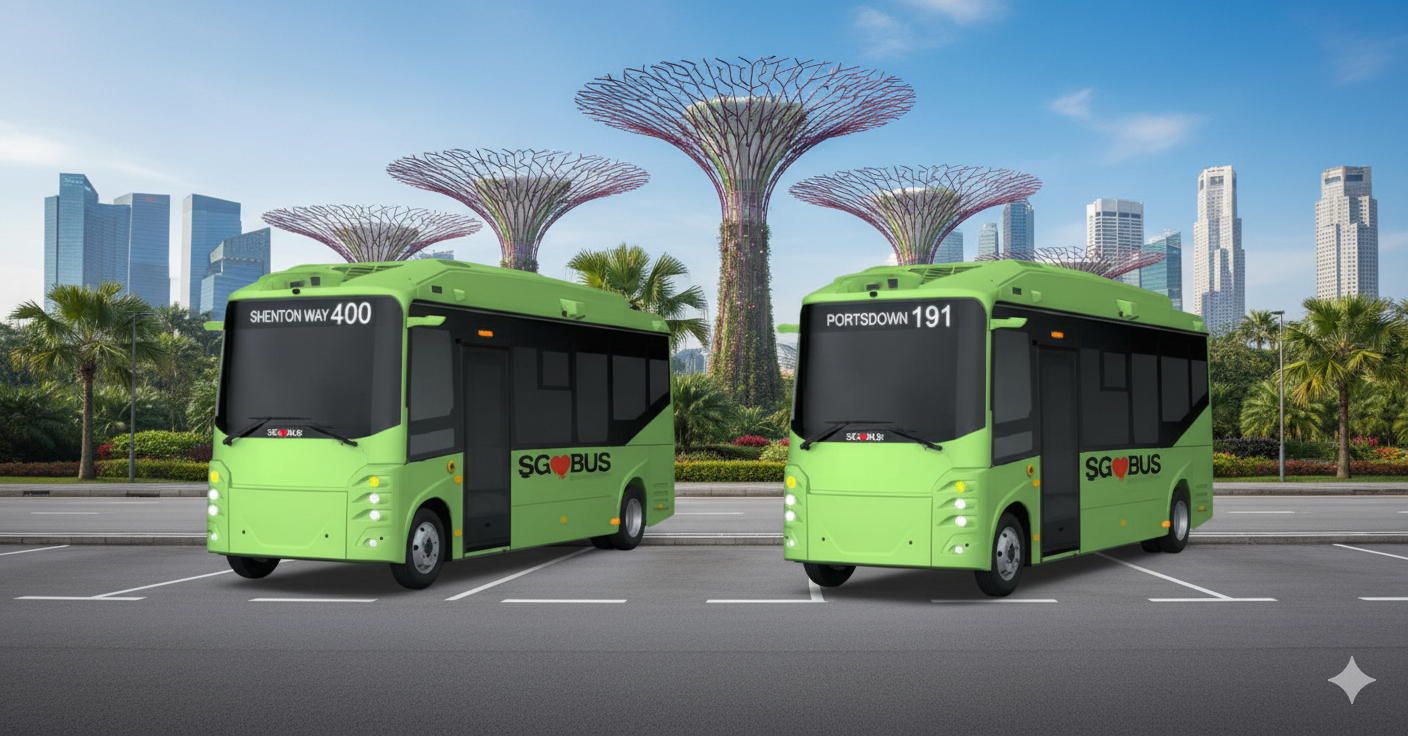
The Land Transport Authority (LTA) has awarded a contract for its autonomous bus pilot to a consortium comprising MKX Technologies, Zhidao Network Technology (Beijing) and BYD (Singapore) for a sum of about S$8.14 million.
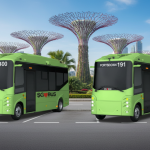
The consortium will deliver autonomous buses, which will operate on public bus services 400 and 191 for an initial period of three years, adding to the number of AVs being tested and deployed for public transport in Singapore. The three-year trial will begin in the second half of 2026.
Deployment scope
LTA will purchase six autonomous buses for the pilot, which will operate alongside existing manned buses. Each bus will have 16 seats each, with designated spaces and boarding/alighting ramps for strollers and wheelchair/personal mobility aid users.
Based on the results of the pilot, LTA may purchase up to 14 additional autonomous buses to expand the deployment to two more bus routes.
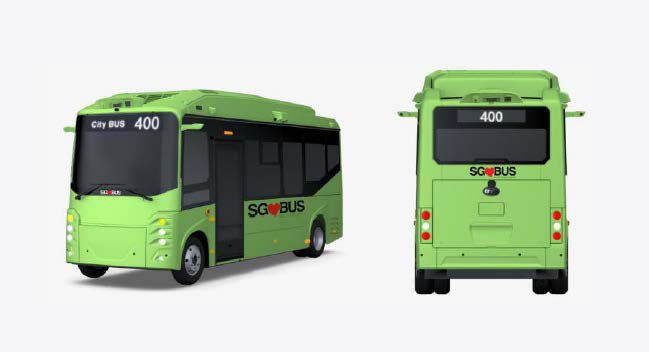
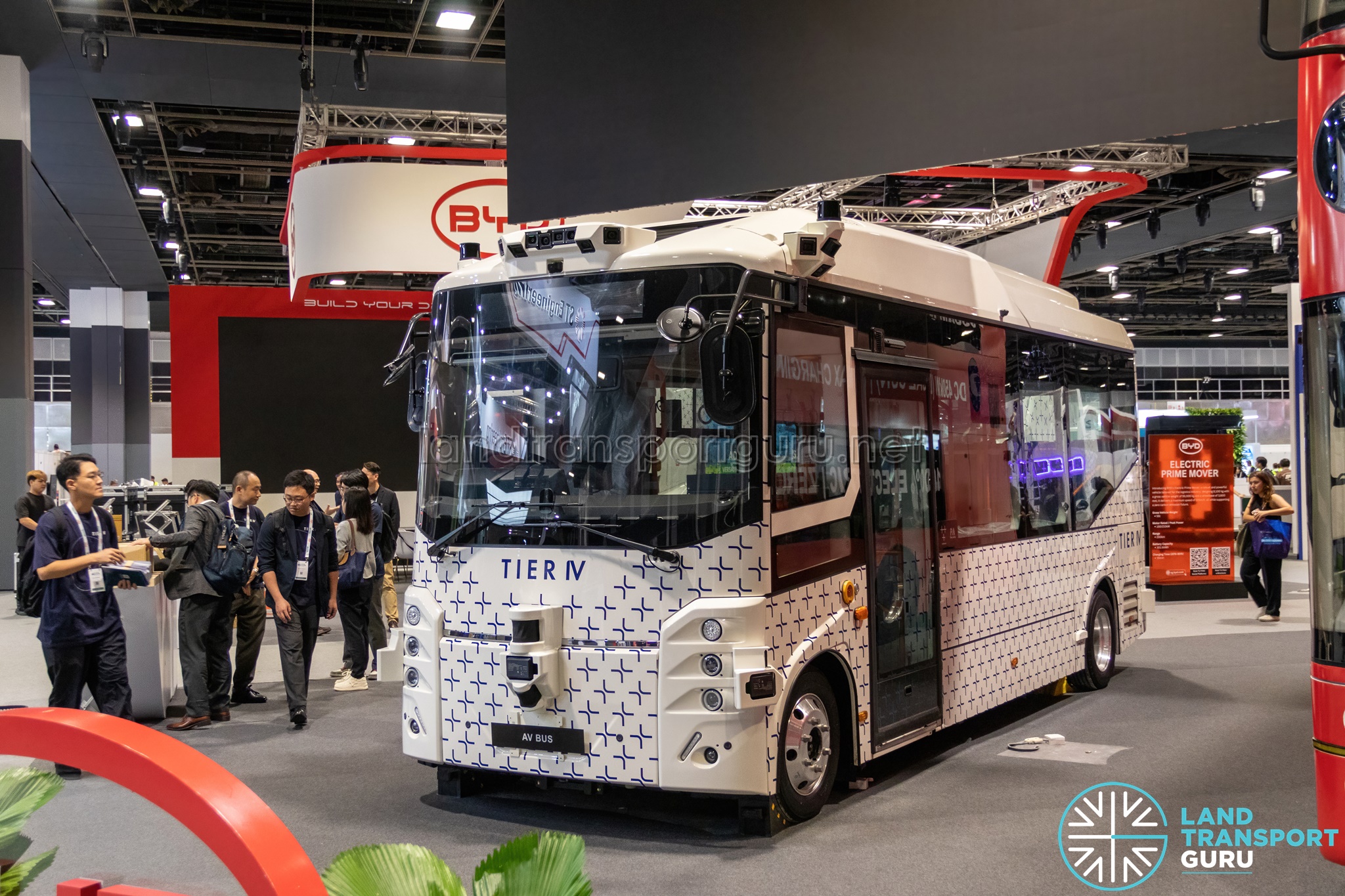
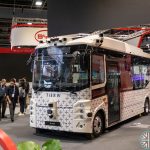
The consortium may bring in BYD J6 electric minibuses for the trial. This bus model has been retrofitted for autonomous operations in Japan and Hong Kong.
Consortium roles
- MKX Technologies
– Lead local research and development (R&D)
– Lead project management efforts - Zhidao Network Technology (Beijing)
– Provide the autonomous vehicle software & hardware kit, such as LiDAR (Light Detection and Ranging), RADAR (Radio Detection and Ranging) and cameras
– Provide fleet management and remote operations systems - BYD (Singapore)
– Supply of electric buses
MKX was incorporated in Singapore in April and has two shareholders. Its majority owner is X Star Technology, a Singapore unit of Chinese online vehicle financing company Yixin Group, while its minority owner is Japanese electric car-sharing company MK.X.
Zhidao Network Technology (Beijing) has deployed autonomous buses in Chinese cities such as Beijing, Dali, Shanghai and Tianjin.
Together, the consortium will supply the 16-passenger seat autonomous buses capable of navigating local roads, supported by a suite of AV solutions such as a fleet management system and electric charging infrastructure for the pilot deployment.
Technical framework
The trial will adopt LTA’s staged AV Milestone process:
- Closed-circuit testing (Milestone 1): validation of core manoeuvres such as lane-keeping, obstacle avoidance, and safe docking at bus stops.
- On-road supervised operation: deployed on passenger service with a safety operator onboard.
- Remote-monitored deployment: deployed on passenger service with a remote operator overseeing bus operations, supported by an onboard customer service officer.
The consortium will also collaborate with the Singapore Bus Academy to retrain existing bus captains as safety operators, with new roles such as customer service officers, fleet managers, and remote operations staff identified for workforce transition.
The bus operator, SBS Transit, will also take into account commuters’ feedback to review and improve autonomous bus operations.
Tender outcome
LTA’s initial tender was called in January 2025, titled Contract PT832 – Pilot Deployment of Autonomous Buses on Public Bus Services, and closed in June 2025 with four bids. Besides the BYD consortium, submissions came from Cycle & Carriage Automotive, WeRide Singapore, and a consortium led by Handal Indah (Causeway Link). LTA said the winning group was selected based on its proven track record of deploying autonomous buses in mixed-traffic conditions overseas.
Of these companies, WeRide Singapore is partnering with Grab to offer autonomous shuttles in Punggol, launching in mid-2026.
Why it matters
Through this pilot deployment, LTA aims to assess the feasibility of integrating AV technology into existing public routes. Beyond validating vehicle safety and systems performance, the trial will provide insights into operational challenges at scale—covering fleet coordination, charging infrastructure, and passenger acceptance.
If successful, the trial could form the technical foundation for the wider rollout of autonomous buses in Singapore’s public transport network.
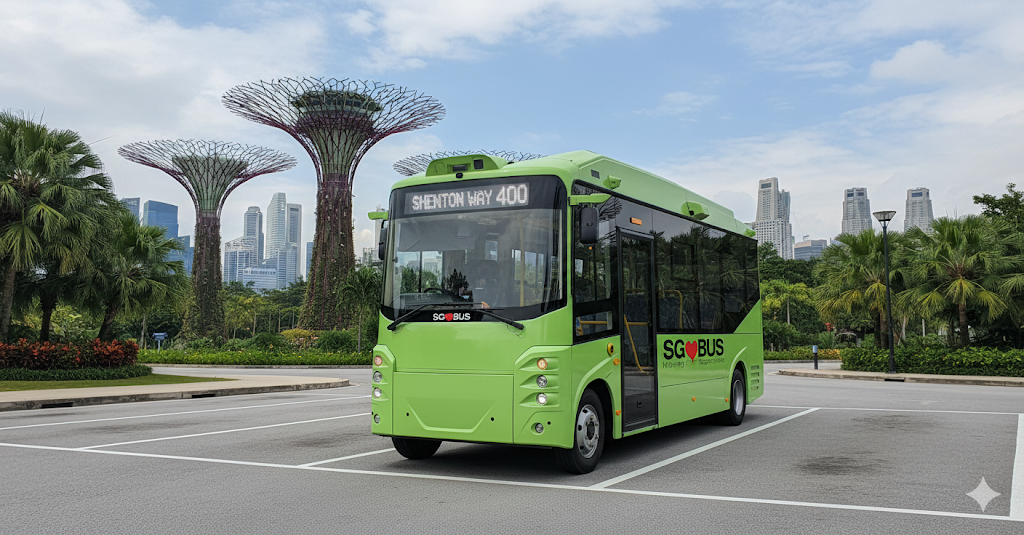
This is way to small for bus 191 mainly, it has passengers from Tanglin trust school and worker from MediaCorp
What about 825? It also has super low demand
TBH i agree
Well this bus is operated by sbs and 825 is operated by tts
but 825 is tts but this bus is SBS transit exclusive
China again
Disgusting design. Looks like some cheap crap Happy Meal toy from the mid 2000s, typical PRC
Cute is one thing, but the capacity only can carry about 16 passengers. Dont think got enough capacity to accomondate standing passenger.
Frankly speaking, the AV bus need to progressively change to have the same capacity as a standard public bus. Otherwise, where can it really be deployed? Maybe only the Sentosa beach tram routes.
Btw, all autonomous vehicle passengers must be seated and wear seatbelts according to LTA itself, so your point on standing passengers is not applicable.
Gg no standing so it can really only take 16 passengers… lucky 191 and 400 tends to be empty but good luck to the MediaCorp people who rely on this bus