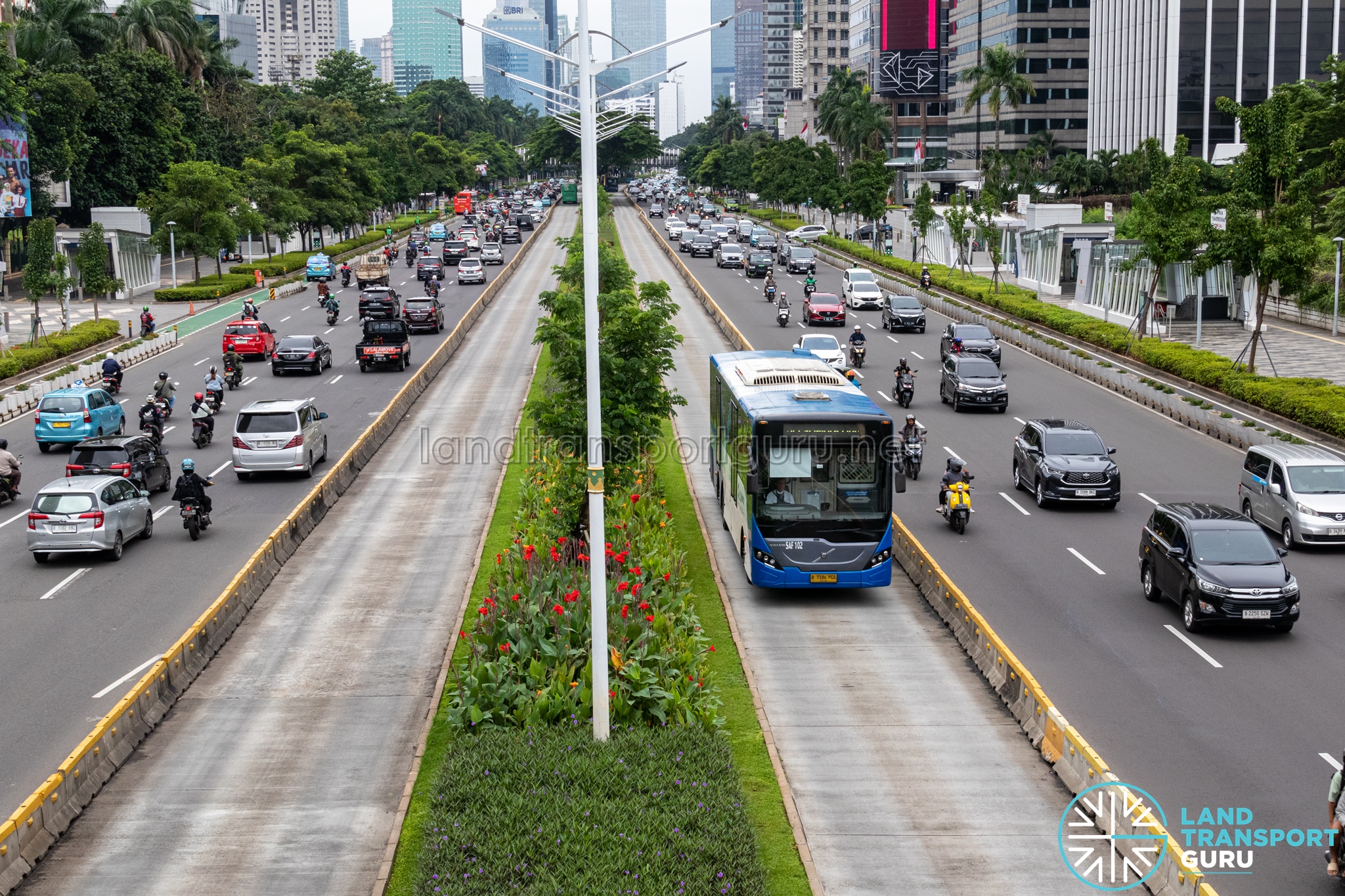
The Land Transport Authority (LTA) will study the feasibility of introducing a Bus Rapid Transit (BRT) system in Tuas South, in a move that could introduce a new form of public transport to Singapore.
Announced on 31 July 2026, the study will examine whether BRT can provide faster and more reliable connections between industries in Tuas South and existing and future MRT stations. The Tuas South area was selected for the study because of major developments including Tuas Port, with further industrial and employment growth expected in the coming years.
Complementing existing public transport modes
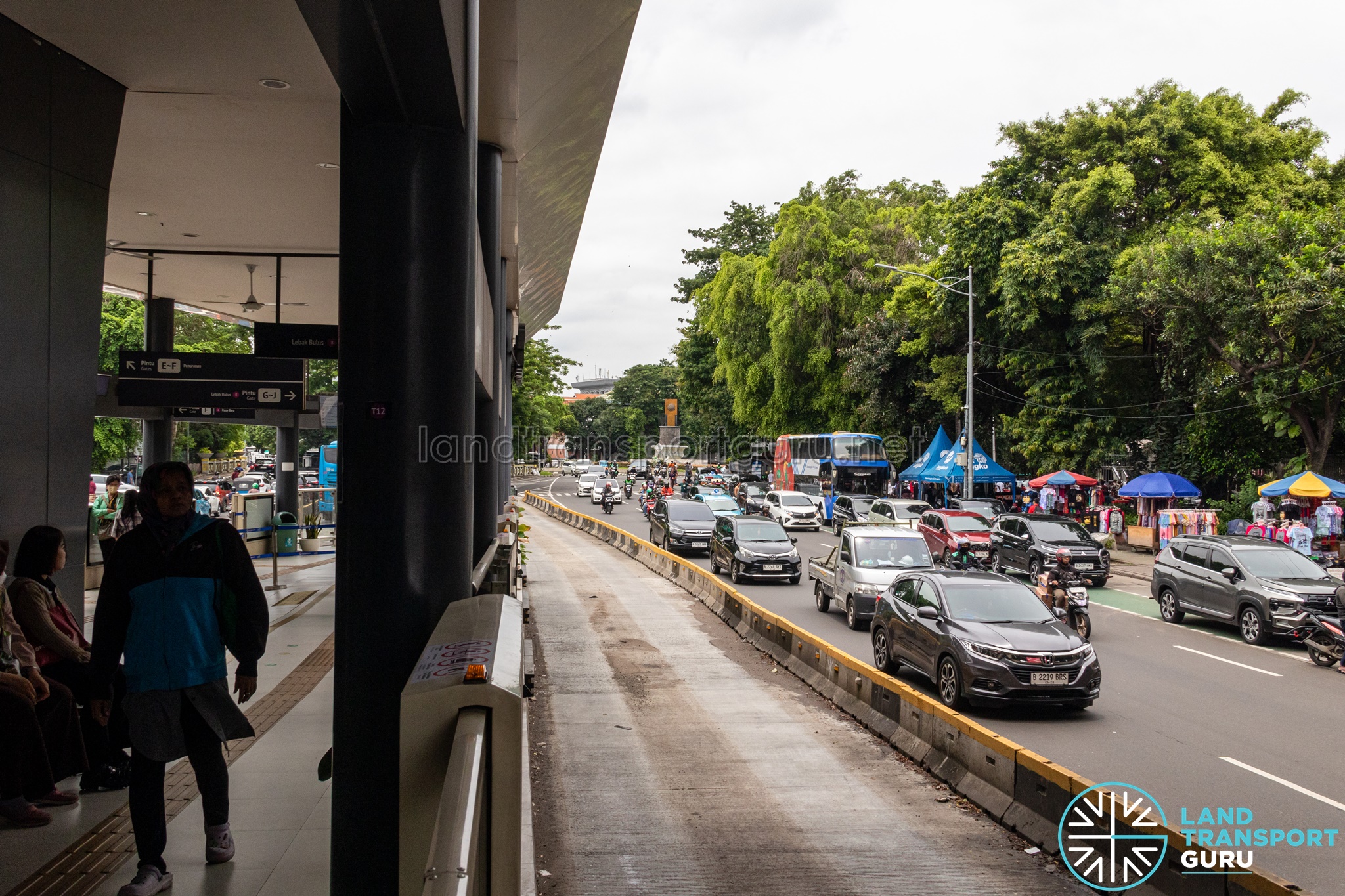
LTA described BRT as a medium-capacity transport mode positioned between conventional bus services and the MRT. Unlike conventional buses, BRT systems typically operate along dedicated lanes or corridors and may receive priority at traffic signals. These features can allow buses to travel faster and operate more reliably than conventional buses.
BRT can also offer greater capacity than conventional bus services while requiring less infrastructure than a new MRT or LRT line. LTA said this combination of capacity, flexibility and cost-effectiveness could make BRT suitable for medium-density corridors such as Tuas South.
Two broad types of BRT
The LTA factsheet notes that BRT systems vary considerably between cities, with two broad types identified.
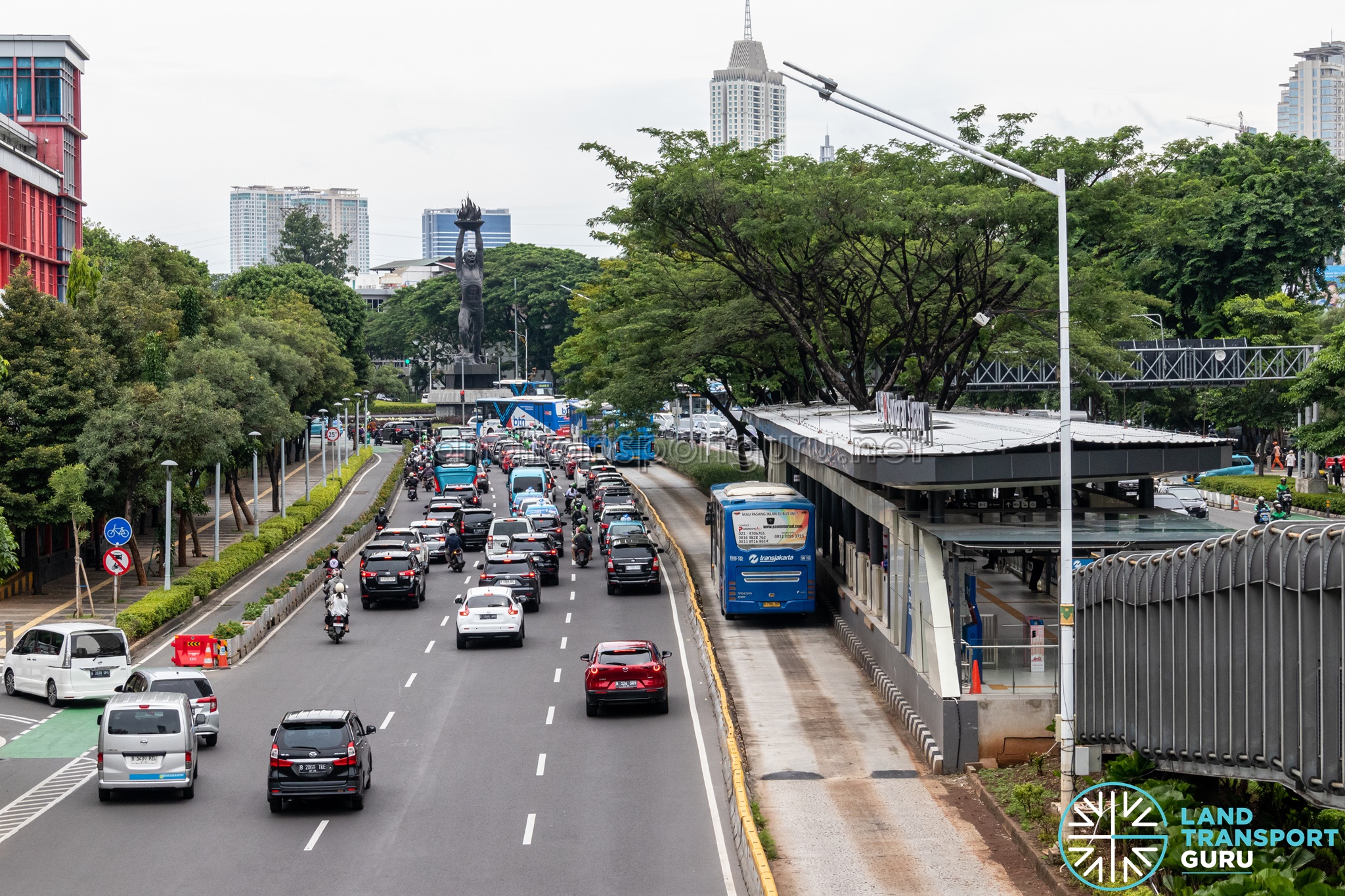
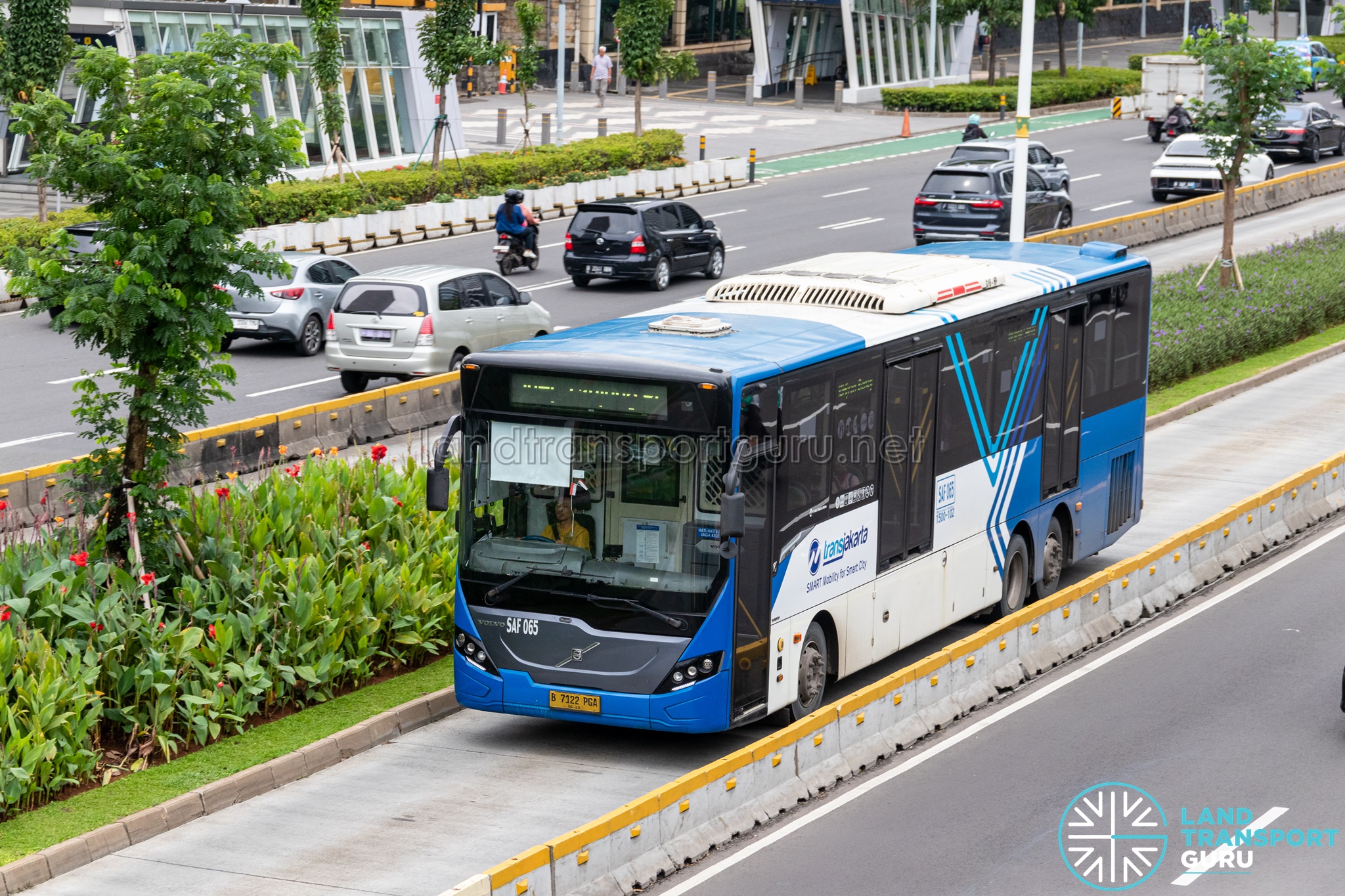
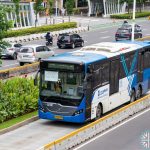
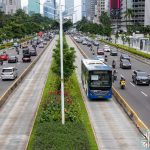
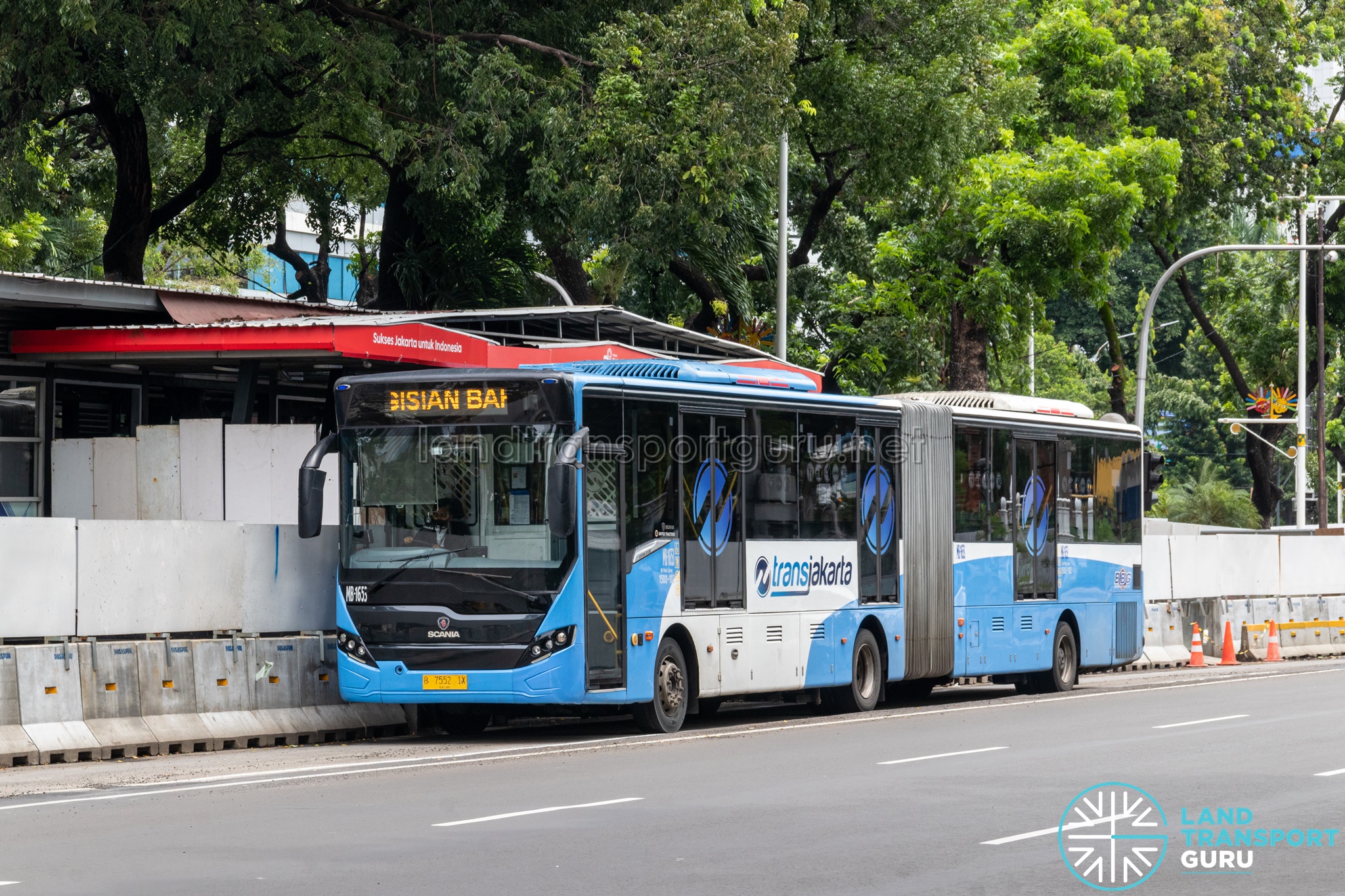
A conventional BRT uses buses of varying lengths, ranging from single buses, to longer articulated and bi-articulated buses. Examples cited by LTA include systems in Shanghai, Seoul, Curitiba, Istanbul and Brisbane.
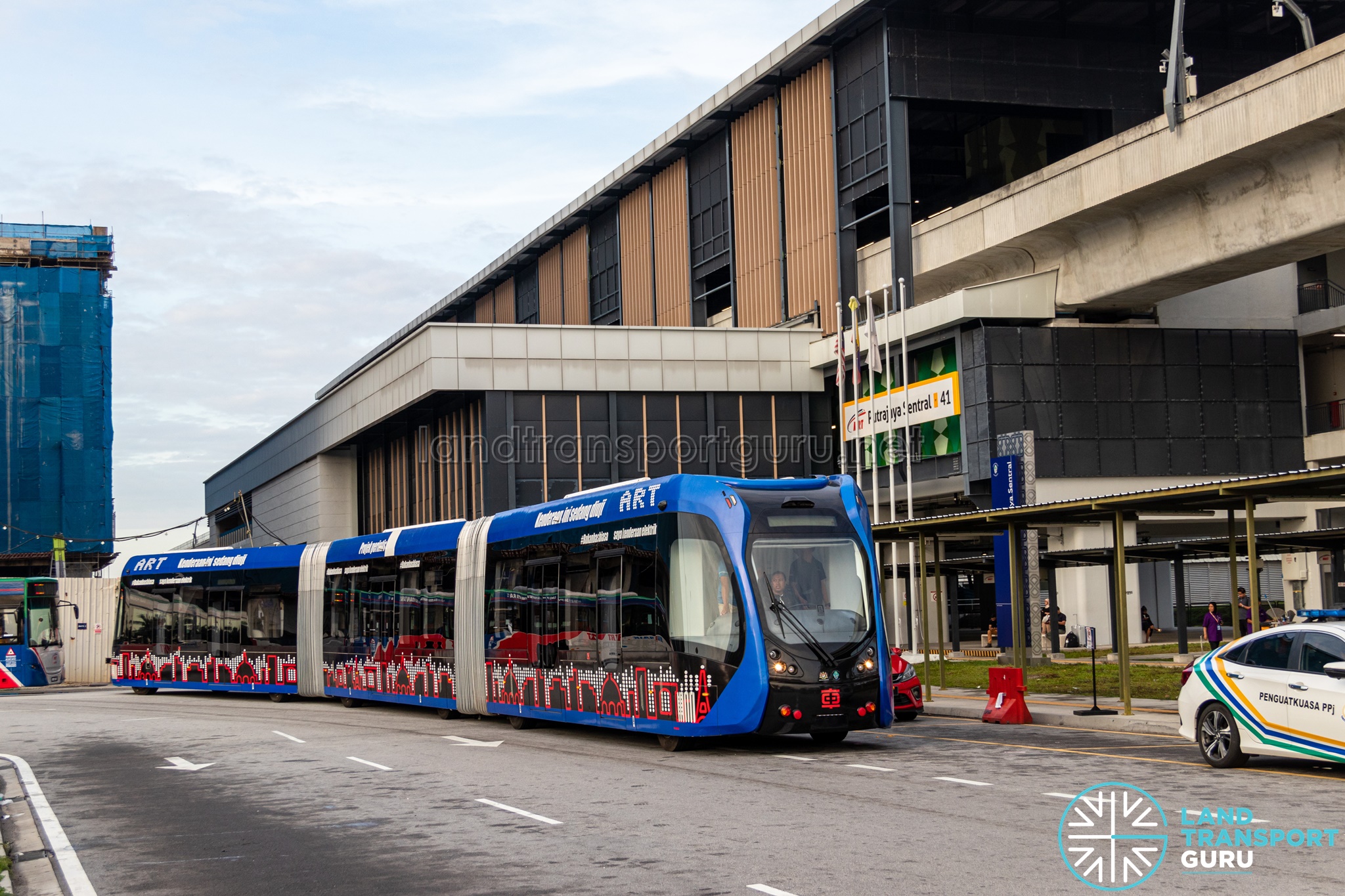
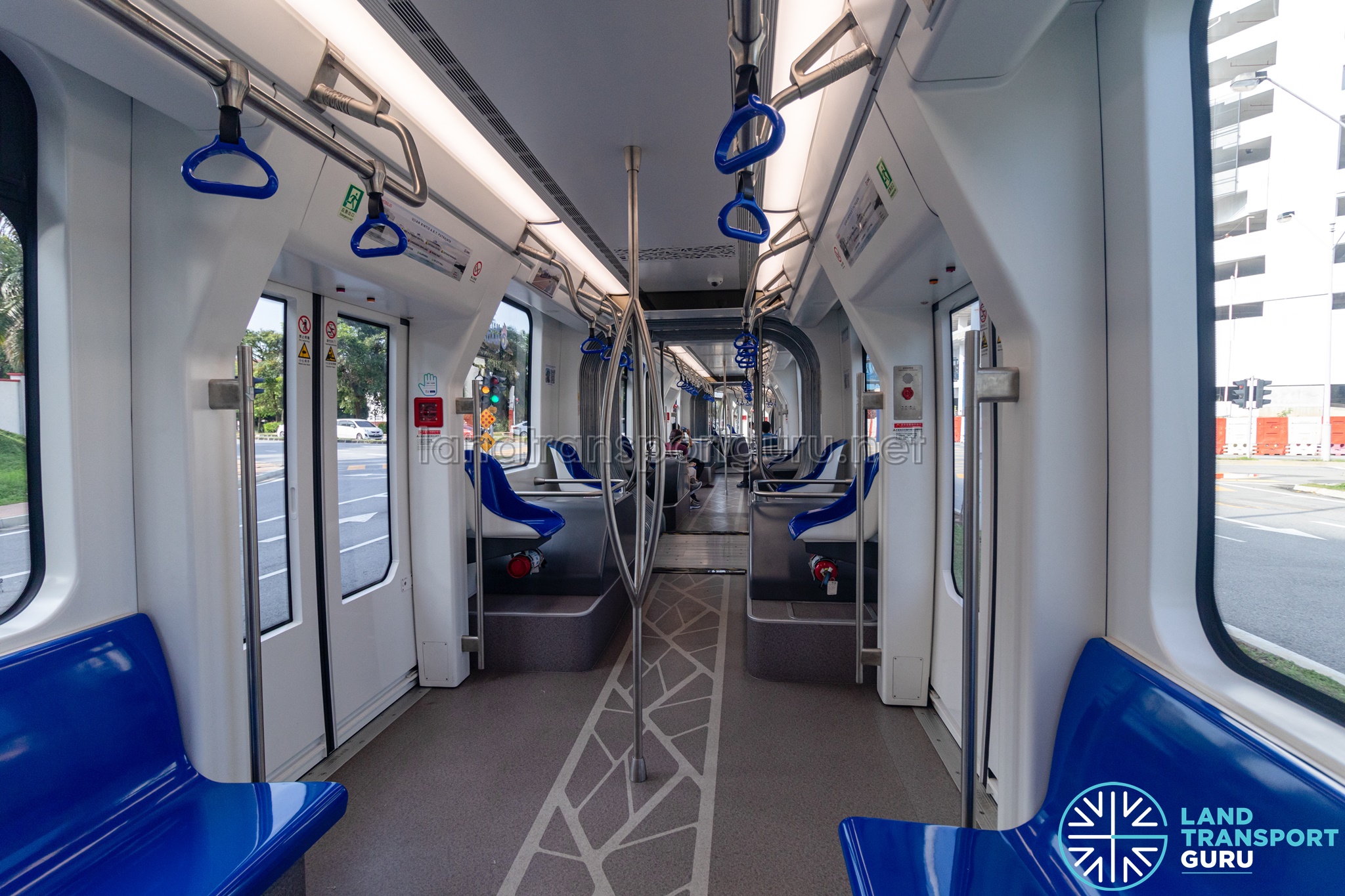
The second form is described as “tram-like BRT”. These systems can use longer vehicles, vehicles with driving cabs at both ends, and technologies such as virtual guidance or automated navigation. LTA cited systems in Zhuzhou and Yibin in China as examples.
Across both types, BRT systems commonly incorporate dedicated lanes and traffic signal priority. Some systems also use off-board fare payment and offer platform-level boarding for quicker boarding and alighting.
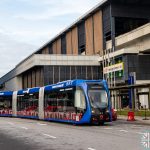
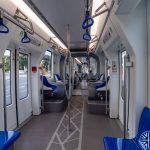
LTA has not yet committed to building a BRT system in Tuas South. The current exercise is a feasibility study which will assess different BRT options, including their benefits and costs, and determine whether the mode is suitable for long-term implementation. Further details will be released when available.
Regional BRT Systems
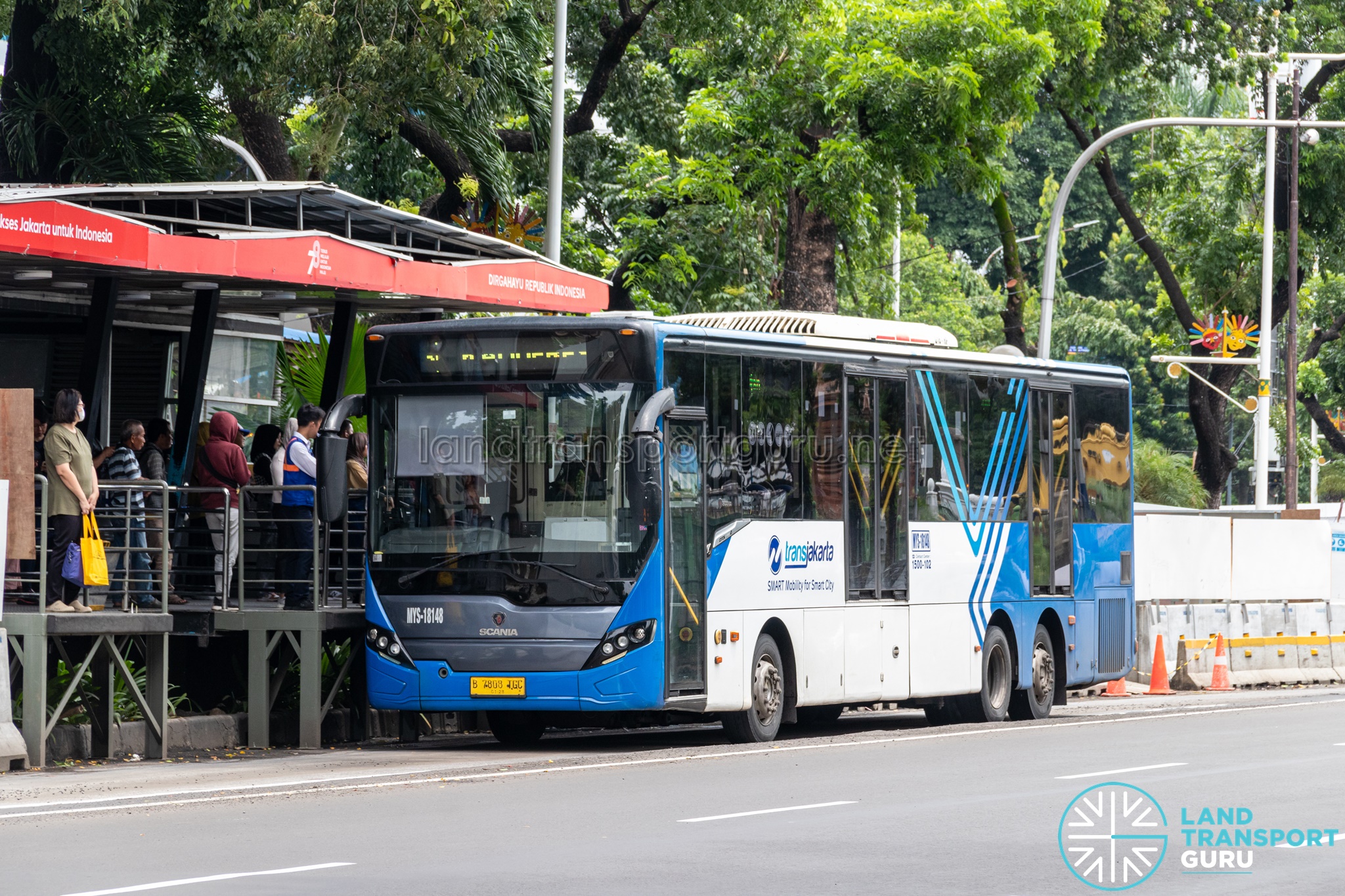
In the region, Jakarta operates the most extensive BRT network. It is the world’s longest BRT system, at 251.2 kilometres, and operates about 5,000 buses. The system carries around 1 million passengers daily, in a city with a population of 11 million.
Smaller BRT networks can be found in Bangkok, Hanoi, Kuala Lumpur, Vientiane, Cebu, and Manila. All these cities use conventional BRT buses.
On the other hand, “tram-like BRT” vehicles have previously been trialled in Malaysia, and such systems are being implemented in Kuching and Johor Bahru.
Commentary
MRT Tuas South Extension
One question arising from the proposed BRT study is how it relates to the long-standing possibility of extending the MRT network into Tuas South.
At Gul Circle MRT Station, provisions were made for two additional platforms associated with a possible future Tuas South branch line. It remains unclear whether, or when, such a branch line could be pursued. The decision to study BRT for Tuas South therefore raises the possibility that a bus-based system could eventually serve a role previously envisaged for a rail extension.
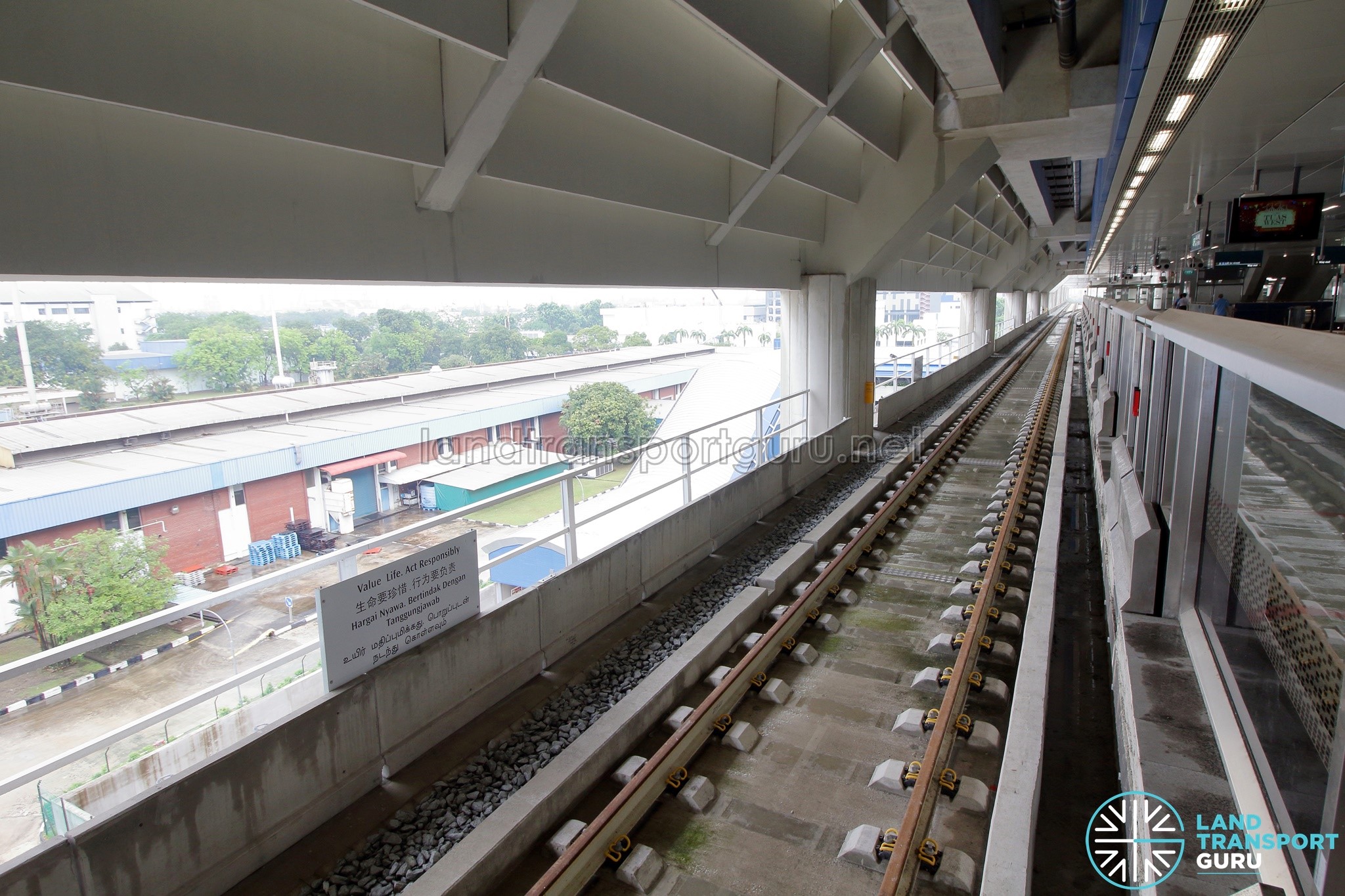
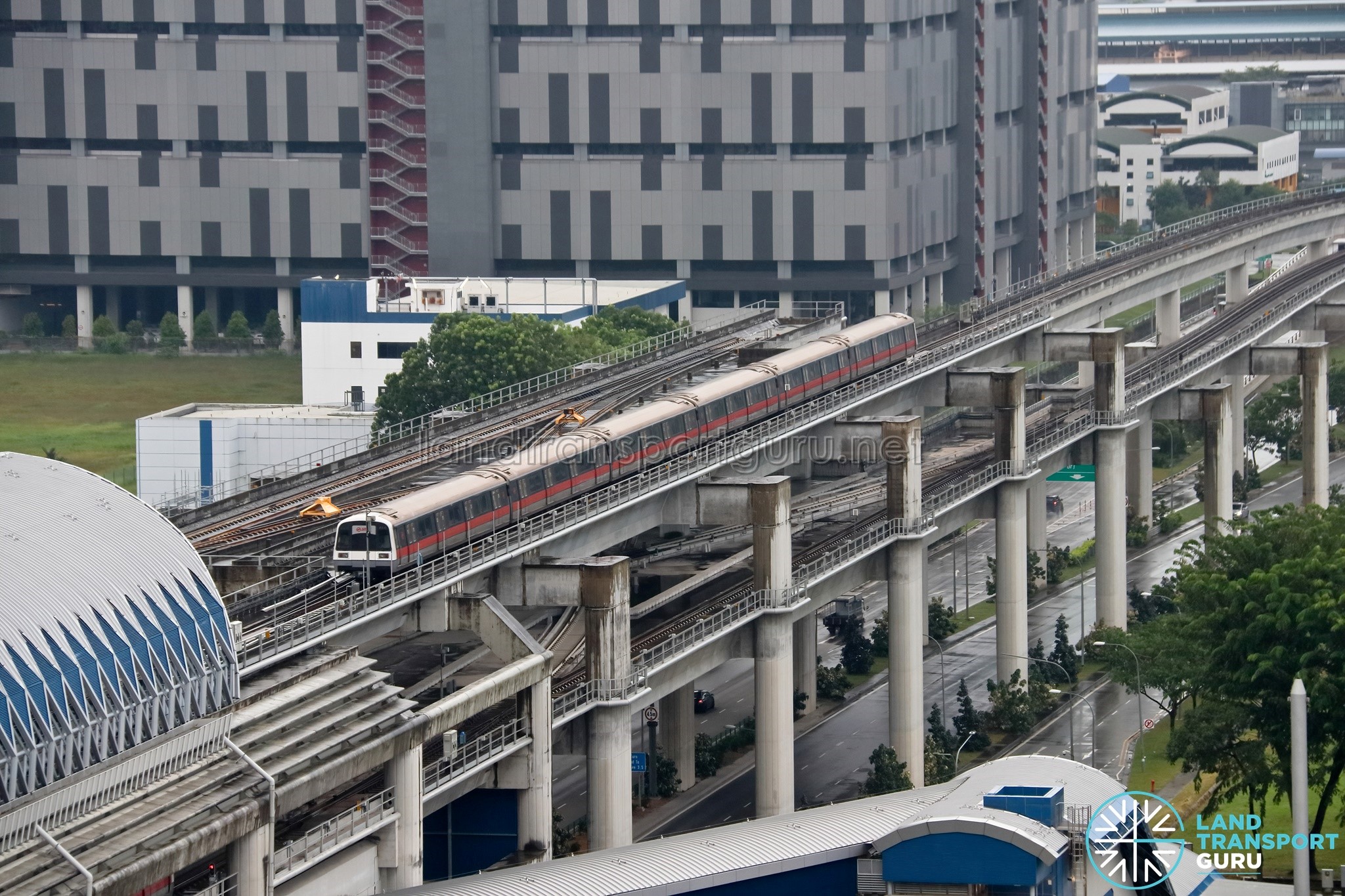
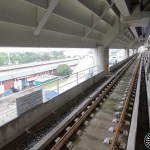
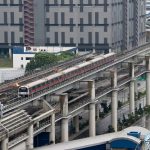
However, the two options are not necessarily mutually exclusive. BRT could provide an earlier or more flexible solution for an area where travel demand may not yet justify a dedicated rail line, while a future MRT extension could remain an option if demand increases substantially. Further details on the scope of the BRT study, and results of any subsequent implementation, will be needed to establish whether BRT is intended as an alternative to, or complement to, a future Tuas South MRT extension.
Integration with the existing bus network
Tuas South is already served by several bus services, including Services 182/182M, 247 and 248/248M. These services provide coverage along different corridors, including Tuas South Avenue 3 and Tuas South Avenue 5.
It remains to be seen which corridor(s) would be selected for BRT implementation. A dedicated BRT corridor could improve journey times and reliability along its route, but would not by itself address connectivity on roads outside the BRT network.
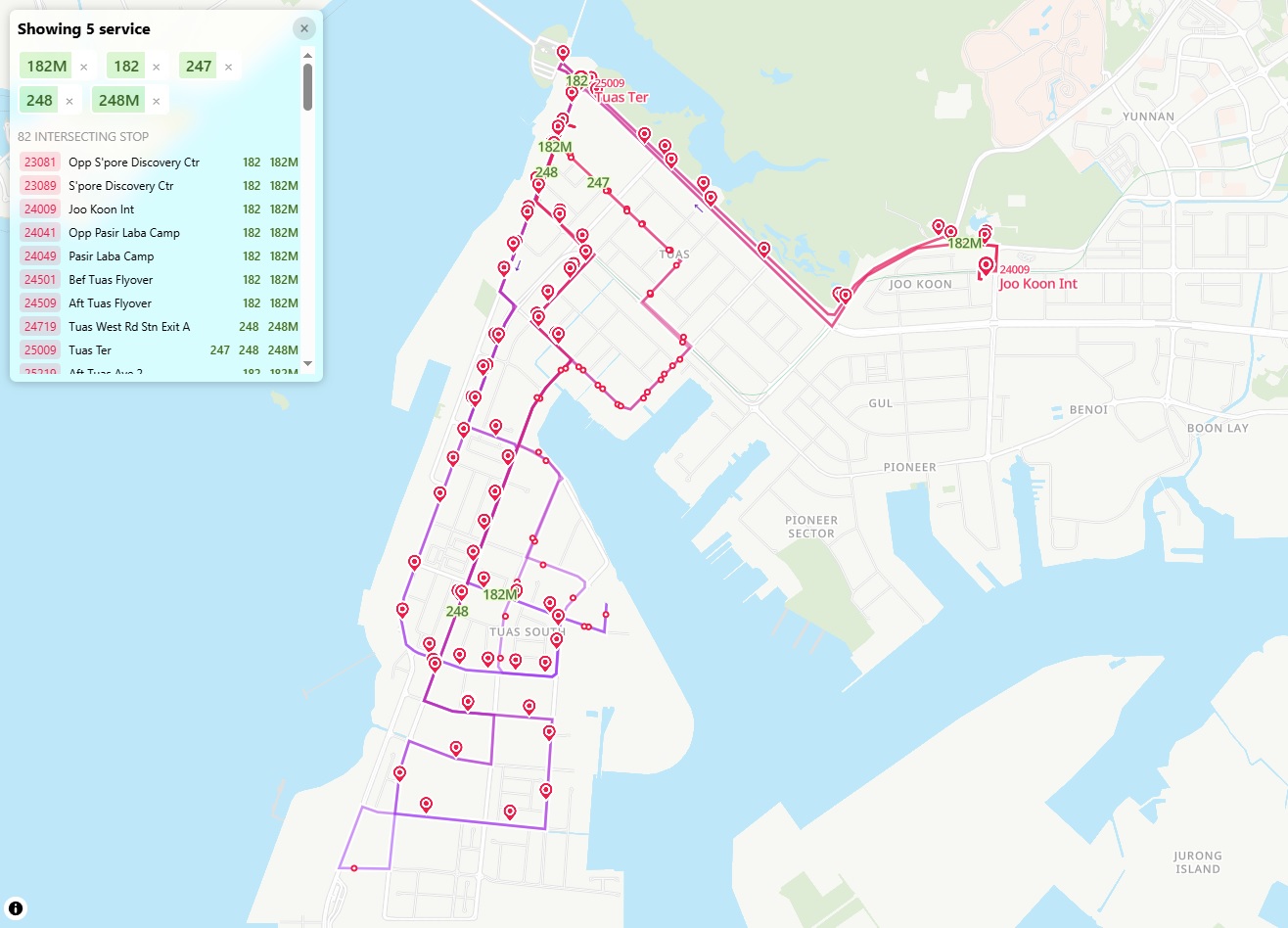
Existing bus services could potentially be retained as feeder services, modified to complement the BRT corridor, or restructured to avoid duplicating the higher-capacity service. Maintaining adequate connections to industrial developments away from the BRT corridor will be important, given the dispersed nature of industries around Tuas South.
The announcement also refers to connections between the proposed BRT system and “existing and future MRT stations”, without identifying the stations involved. This is an important aspect of the proposal because the usefulness of the system will depend not only on the speed of the BRT itself, but also on the ease of transferring between BRT and rail.
Depending on the eventual alignment, additional infrastructure could be required at interchange points, such as dedicated bus approaches, passenger waiting areas, sheltered pedestrian links and direct station access.
“Tram-like BRT” a source of concern
The LTA press release identifies two broad categories of BRT being considered, including conventional systems and what it describes as “tram-like BRT”. Conventional BRT systems are relatively straightforward from a vehicle procurement perspective; a system based around conventional buses can accommodate vehicles from multiple manufacturers, allowing operators to compare different products and technologies over the life of the system.
On the other hand, the “tram-like BRT” which LTA alludes to utilises longer vehicles with driving cabs at both ends, and features virtual guidance or automated navigation. This is broadly consistent with CRRC’s Autonomous Rail Rapid Transit (ART), which uses biarticulated vehicles guided electronically along a roadway rather than running on conventional steel rails.
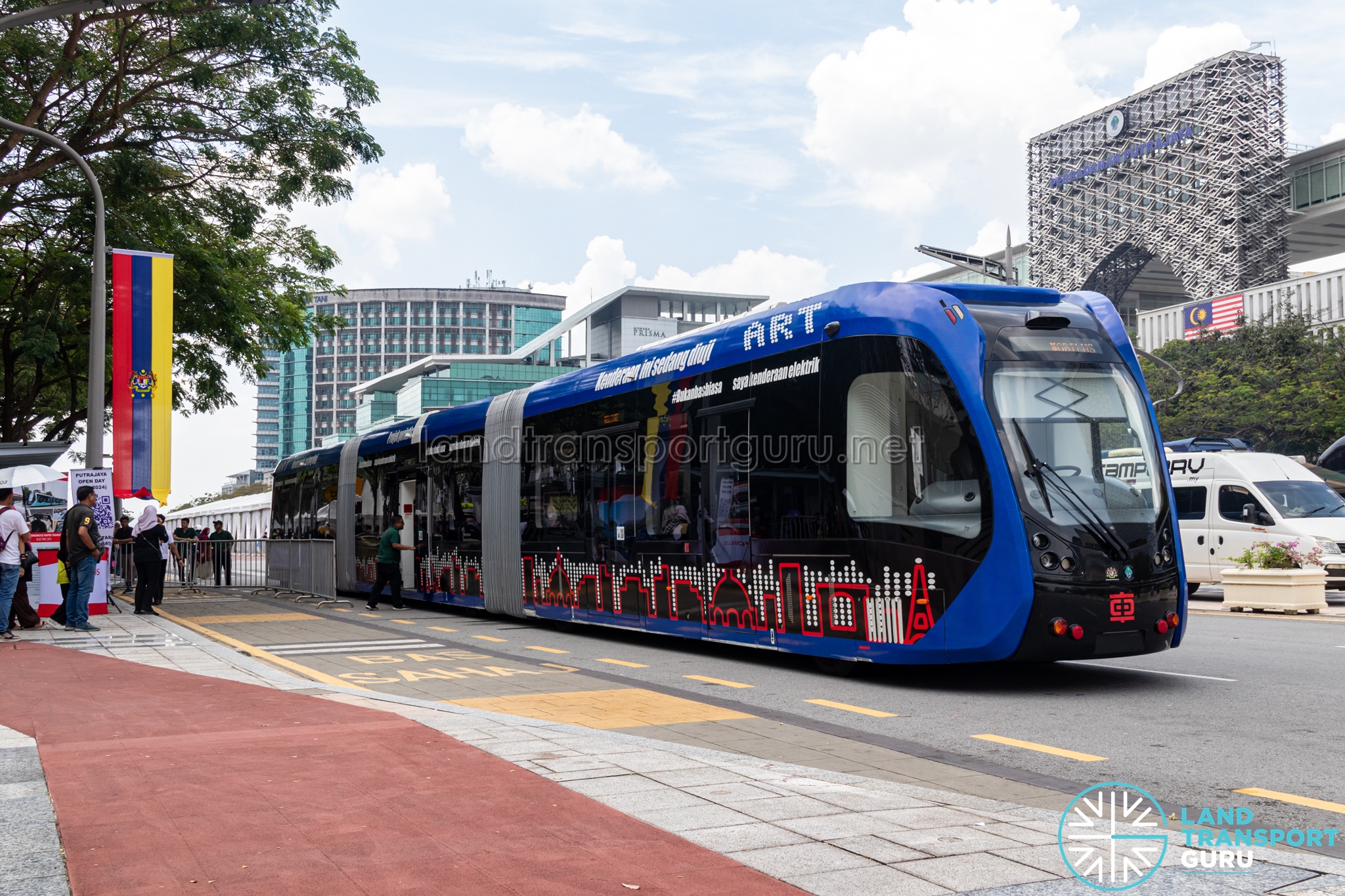
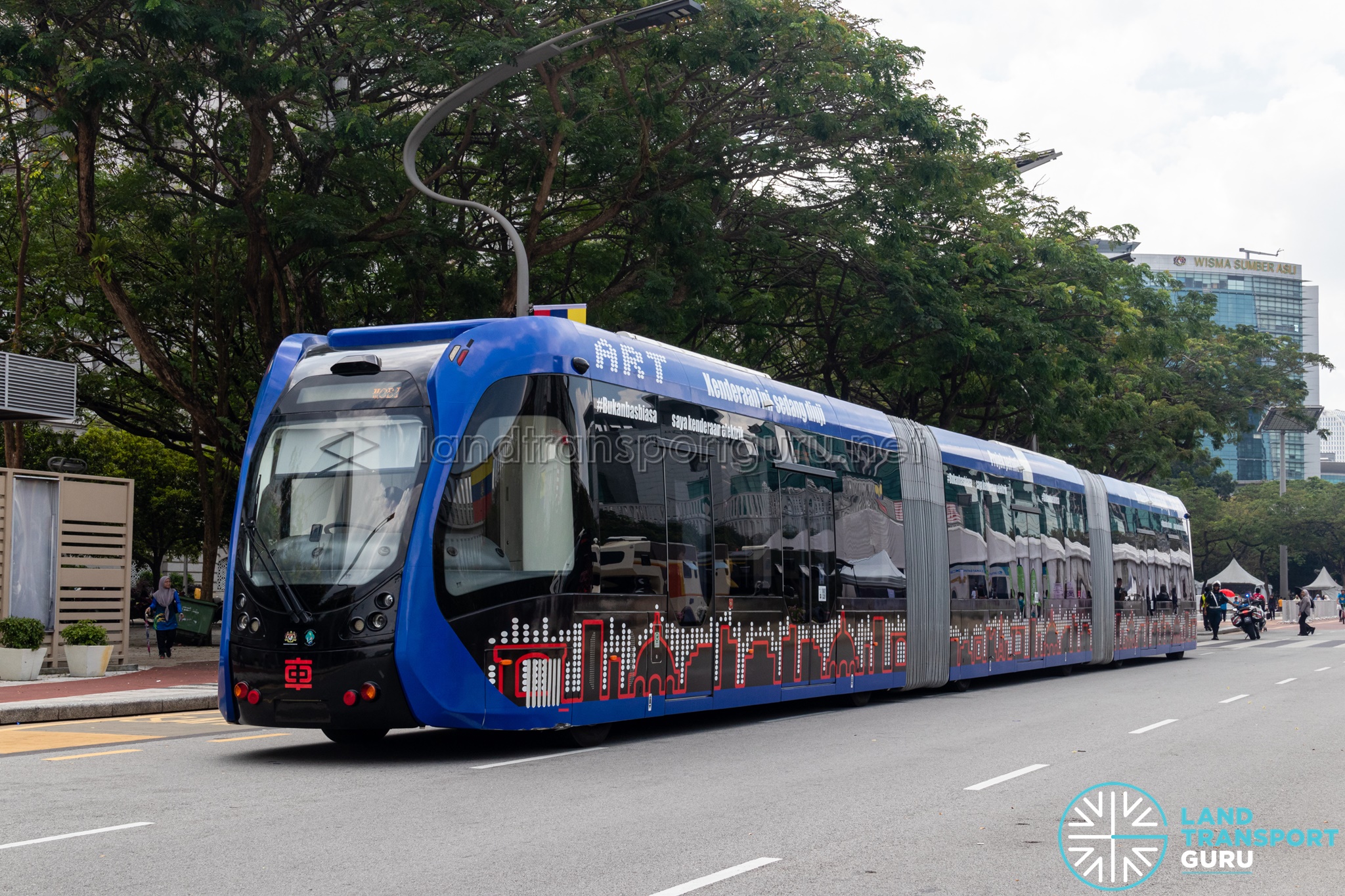
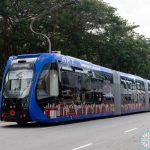
Despite its branding as an “autonomous” or “digital rail” system, the technology is fundamentally a high-capacity BRT vehicle. ART vehicles still rely on right-of-way separation, or vehicles will be exposed to road congestion in much the same way as conventional buses. Furthermore, a specialised tram-like vehicle is likely to have a substantially higher acquisition cost than a conventional bus (at close to S$5 million per vehicle in 2024), while the pool of potential suppliers is small. This affects procurement competitions, lifecycle support and the ability to source replacement vehicles in the future.
These considerations would need to be weighed against any operational benefits offered by higher capacity, longer vehicle formations or automated guidance.
External Links & References
- ‘A bus is open to everyone regardless of class’: riding the world’s biggest network | Indonesia | The Guardian | 30 Nov 2023
- New Capital’s Trackless Tram is Much Cheaper than MRT, LRT: Jokowi | Jakarta Globe | 14 Aug 2024
- Debunking the myths around optically-guided bus (trackless trams) – The University of Sydney | 21 Jan 2019
- LTA | Factsheet: LTA to Study Bus Rapid Transit to Improve Public Transport Connectivity in Tuas South | 31 Jul 2026
About Tuas South: all of Singapore’s port operations will be consolidated at Tuas South by the 2040s, and the port revenue itself is about S$5-7 billion per year.
About Tuas South Extension: if it extends from Gul Circle and have 4 stations along a 10 km route, it would cost S$2.4-3.0 billion to build. That’s just half of the port revenue per year.
So, actually, why are they still contemplating about whether to build the Tuas South MRT?
The cost of the project can be covered with just half a year of the port revenue. It may even be a highly profitable project.
Anyway, MRT is required at Tuas South if they want people to work there. Without MRT, who want to work at Tuas Port, and like that how would Tuas Port bring in S$5-7 billion revenue per year?
Therefore, that S$2.4-3.0 billion one-time investment on Tuas South MRT is justifiable. Hopefully they can stop contemplating already.
Perhaps what they need is a bit of encouragement. Hopefully this commentary would be the encouragement to encourage them to continue with the Tuas South MRT plan.
The other costs add together is way more than S$2.4-3.0 billion la, okay? Have to consider other costs that need the revenue to offset.
Overall, the MRT Tuas South Extension has been determined to be not financially sustainable.
It is better to make the existing MRT Tuas West stations more useful, by using them to connect to Tuas South as well. And thus the BRT.
I believe it will be one Tuas MRT station one BRT line, total about 3 BRT lines running nearly parallel with each other. Their purpose is just to connect to MRT station, and thus the 3 BRT lines will probably not interchange, other than meeting at the same BRT depot.
Alternatively, why not just one MRT station at Tuas South, and that one MRT station level it such that it is just two storeys high, so that just need to come down one storey and can take bus already?
And next to that MRT station, build one bus interchange. Hubs and spokes model. Take feeder bus to get to the company.
Kaotim.
While I have never been there before and the whole thing feels kinda hmmm
In any case the 3 segment bus has my curiosity
The main issue really is land use
Why not consider repurposing the unused platforms at Gul Circle station into BRT platforms instead…..then connect with Tuas South!
It can also connect with both EWL and CRL!! What you think?
Actually, there are two alternative options:
1. What’s wrong with just having more normal public bus routes in Tuas South? Maybe it’s not enough drivers.
2. Why not street cars that run on rails (like those in Hong Kong and Kaohsiung), whereby the street cars can potentially run automated without driver?
The BRT option only wins the bus option in terms of less bus drivers needed. If manpower is the reason, then maybe street cars on guided rail could be the alternative option to consider.
Sound stupid for LTA to implement it, the cost shouldn’t be added to commuters. Bus lane should be effectively utilities the road, how fast BRT be obtained? Improvement by 30minutes?
(Reply to Lee Duo Hui)
1.1: Manpower & fleet shortage. Existing services are already suffering badly because of this. The younger generation aren’t keen on becoming a BC even with bonuses and higher pay + older generation BC are retiring, and fast. BRT can be fully automated.
1.2: Complete segregation from cars & traffic. The issue with bus lanes is the lack of enforcement, and is interfered by any vehicle needing to turn at a junction anyway. BRT lanes are separated fully from cars + traffic signal priority.
1.3: Capacity. Running one BRT bus, assuming the bus used is similar to the bi-articulated ones used in Curitiba, would potentially carry twice as many people that 2 B9TL buses can. Since Tuas is a fairly medium capacity corridor, buses may not be sufficient to handle demand, while MRT may be too much required (since the Tuas West MRT extension already exists to carry majority of Tuas Central demand and a little bit of Tuas South, a Tuas South MRT may not be justified)
2.1: Cost. BRT requires only a road (the more general BRT system, unlike KL’s), while tracks for trams would be double the price than to construct a standard BRT lane. Plus, tracks, once built, are fixed in place. If ever a major industrial building shifts and demand to a location changes along with it, the tram wouldn’t be able to move together with it unless they rebuild the tracks all over again. BRT lanes are much easier to shift around to match demand to anyplace in Tuas, though it is still complex process.
2.2: On the point of cost, building a whole new MRT (Tuas South MRT branch) would be even more expensive than trams, if the excess unnecessary capacity isn’t already a putoff. Note that EWL Tuas Extension cost $3 billion. while cost to build every km of BRT lanes cost ~$3 million, meaning the total cost for the Tuas South BRT would likely be < $1 billion, including procurement of vehicles.
Plus, like trams, you can’t move the MRT. So you need buses to branch from each MRT station to feed to each industrial estate. Coupled with the manpower and bus fleet shortage mentioned earlier, the bus-MRT model might prove a failure compared to BRT.
I do note that demand in industrial estates aren’t full day, so during off-peak the BRT may not need to run at all, or run with few vehicles. It is a waste for such a capable medium capacity system, but I argue the pros outweigh the cons
So all in all I fully support the plans for Tuas South BRT and I have hopes for the BRT (or other similar forms of “hybrid” systems such as ARRT) to be implemented islandwide, especially in newer towns (such as Tengah, PLAB & GSW x Sentosa), or certain corridors with relatively high localised demand where buses may not be sufficient (such as Geylang & Yuhua)