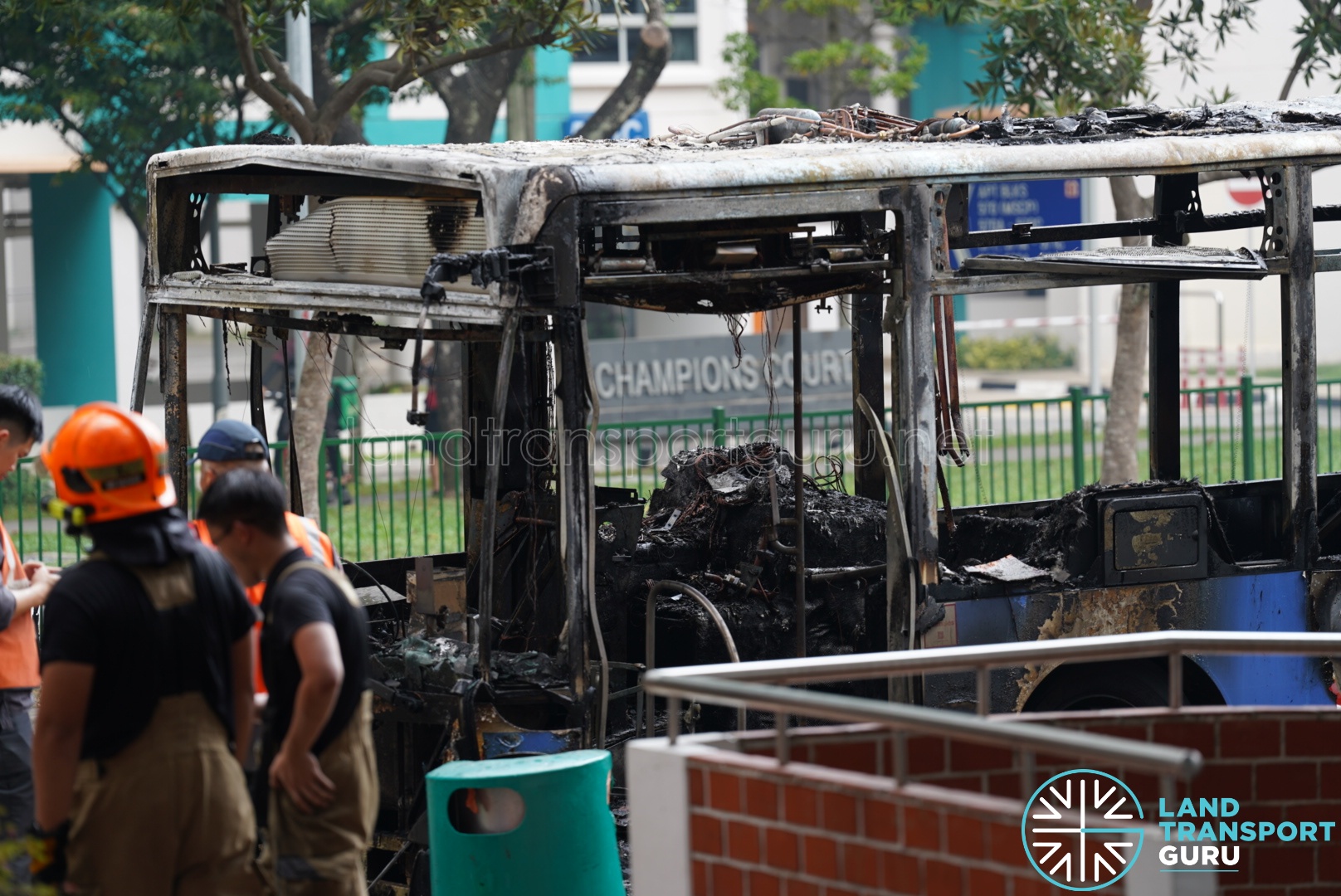
The Government has clarified that investigations into three fire incidents involving Mercedes-Benz Citaro buses operating in Singapore have found no evidence of a common underlying fault.
The clarification follows three known fires involving Mercedes-Benz Citaro buses in the first half of 2026, including:
- SBS Transit bus SBS6840D along the Pan Island Expressway on 13 February [Link]
- SBS Transit bus SBS6381L along the Tampines Expressway on 30 March [Link], and
- SMRT Buses bus SMB142J along Woodlands Avenue 1 on 5 May [Link].
Bus Model
The Mercedes-Benz Citaro is widely deployed around Singapore, with a total of 1,155 units registered between 2010 and 2017. The bus is in service with all public transport operators. Currently, these buses are undergoing mid-life refurbishment. The oldest of these buses are approaching the 17-year statutory lifespan.
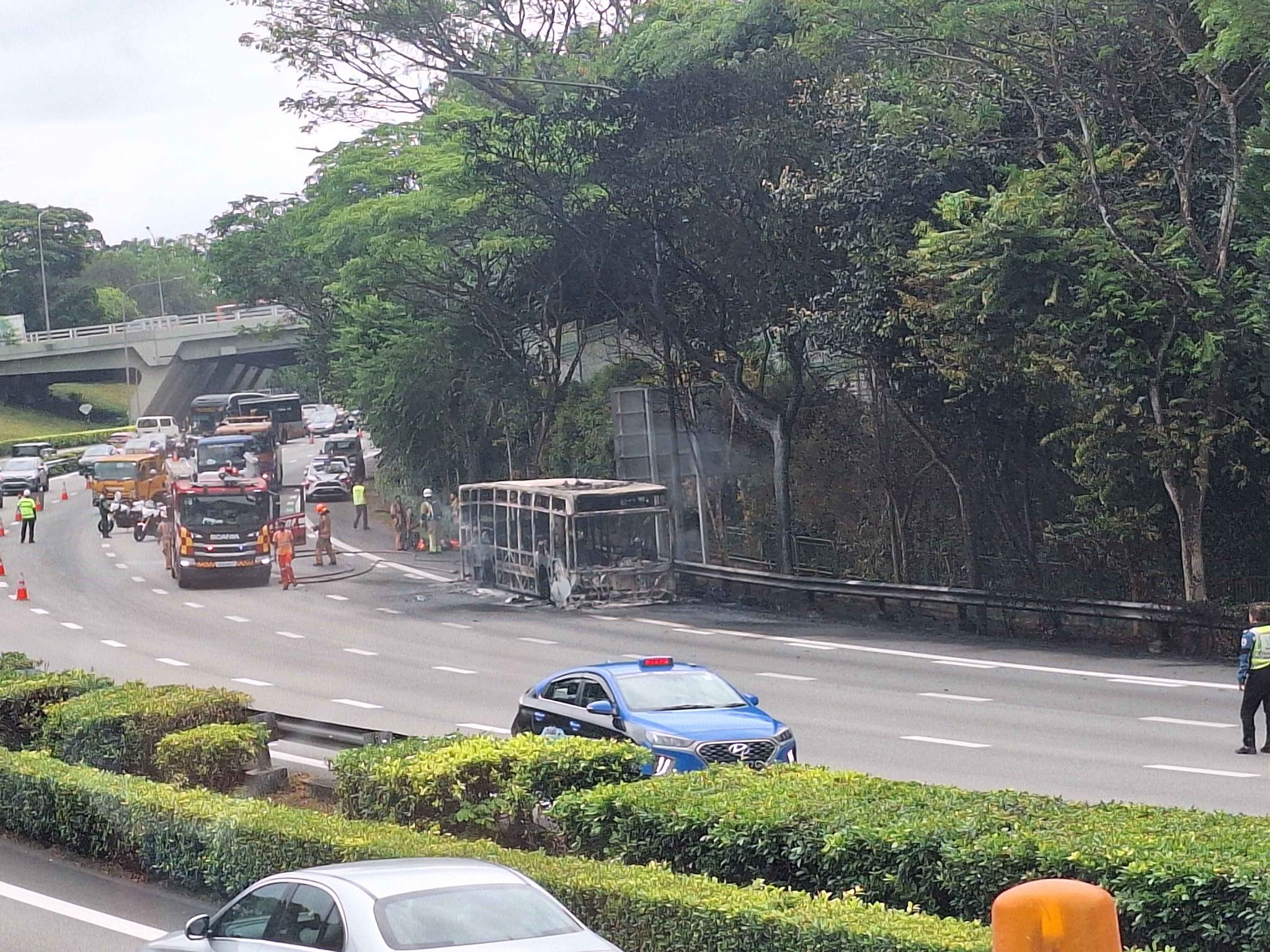
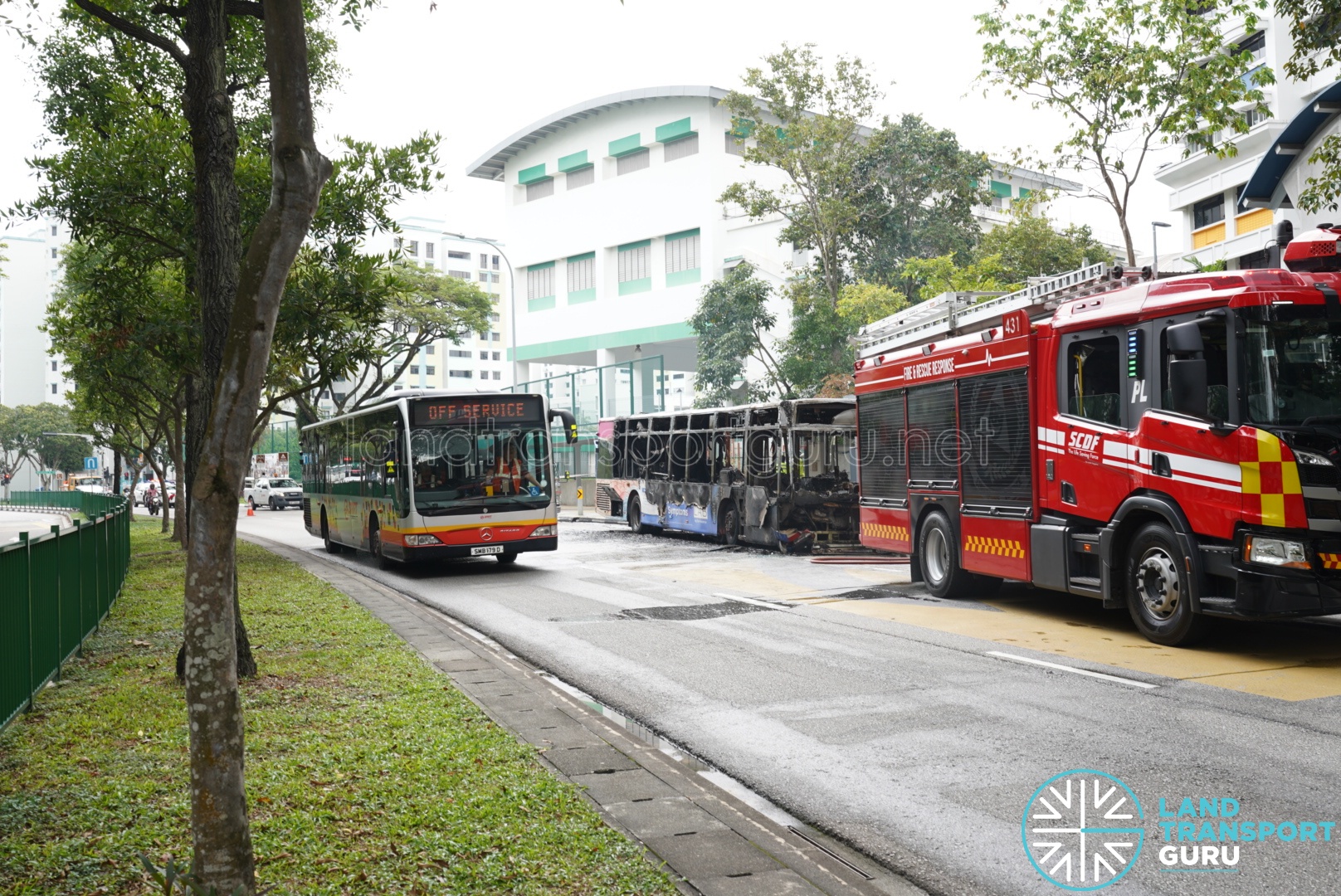
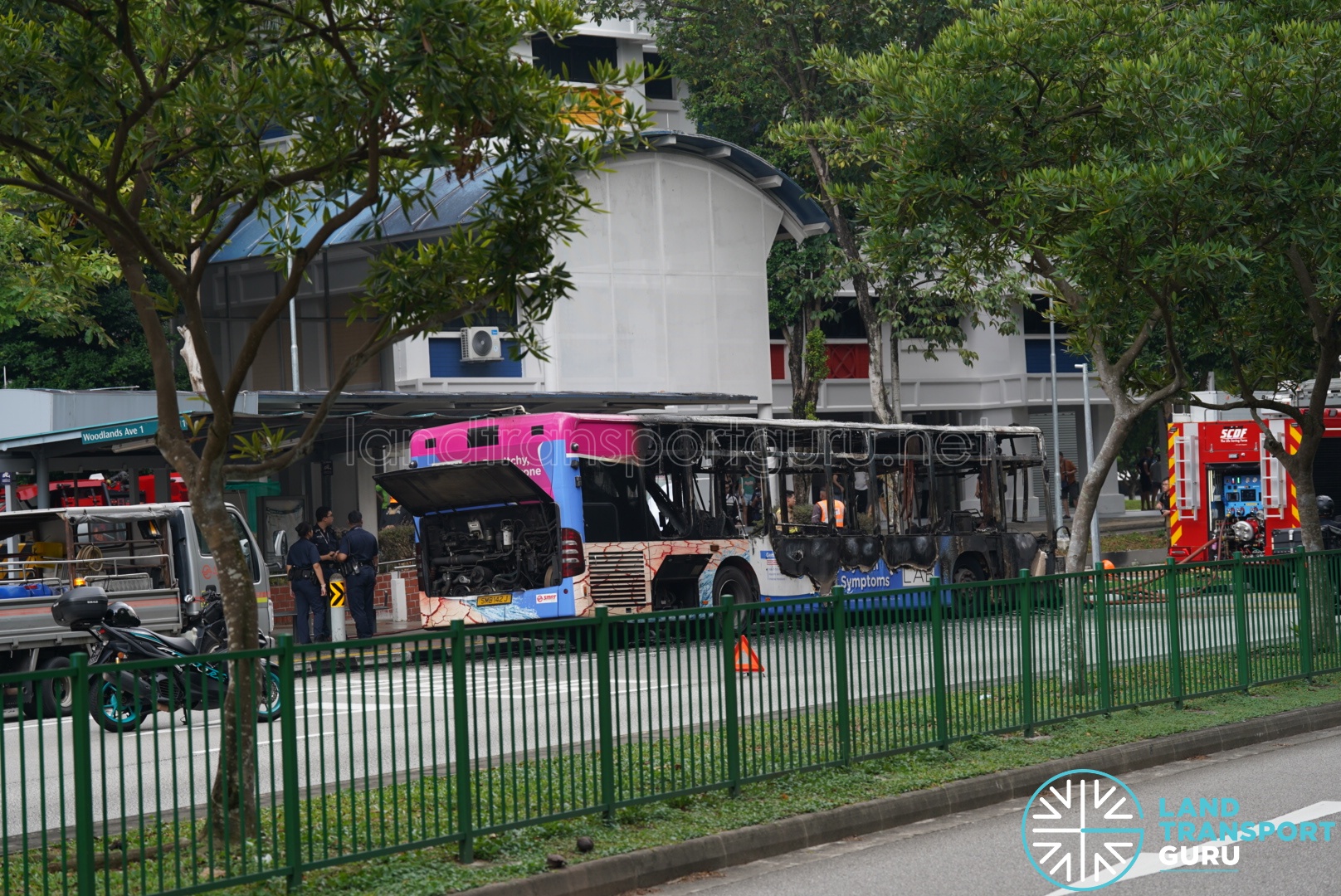
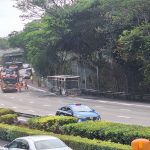
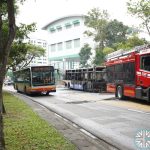
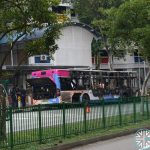
Responding to a Parliamentary Question on 5 August 2026, Senior Minister of State for Transport Murali Pillai said investigations determined that each incident was caused by a different mechanical failure. One fire was attributed to a propeller shaft becoming detached, while another resulted from a turbocharger failure.
The investigations did not identify any common issue affecting the Mercedes-Benz Citaro fleet as a whole. The components were also found to be within their expected service life, according to the manufacturer’s guidelines.
Mr Murali also added that public buses are equipped with fire detection and suppression systems for the engine compartment. No injuries were reported in any of the three Mercedes-Benz Citaro fire incidents.
Our remarks
The Ministry of Transport has shed light on the root causes of two of the three publicly known fire incidents. This leaves one more incident, that involving SMB142J, which caught fire in May along Woodlands Avenue 1. Photos and videos of the incident show the fire originating from the front of the bus near the driver’s cab, and it is highly unlikely to be linked to the other 2 cases, which were linked to the propeller shaft and turbocharger (which are at the rear of the bus).
No explanation was given for the potential cause of the fire in this instance.
External Links & References:
- No Abnormalities Found in Investigations into Mercedes-Benz Citaro Bus Incidents | Ministry of Transport | 5 Aug 2026
- Checks on Mercedes-Benz public buses stepped up after fire incidents: Murali | The Straits Times | 5 Aug 2026
- Murali Pillai on fires involving Mercedes-Benz Citaro buses – CNA | 5 Aug 2026
- SMRT bus catches fire near Woodgrove Primary School in Woodlands; no injuries reported – CNA | 5 May 2026
Nothing wrong except for the small engine and the restrictions of LTA requirements except that bad maintenance is the obvious answer. Smaller engine with low output, torque restrictions, aircon the small engine tends to overworked. A good radiator fans, coolant level checks is essential.