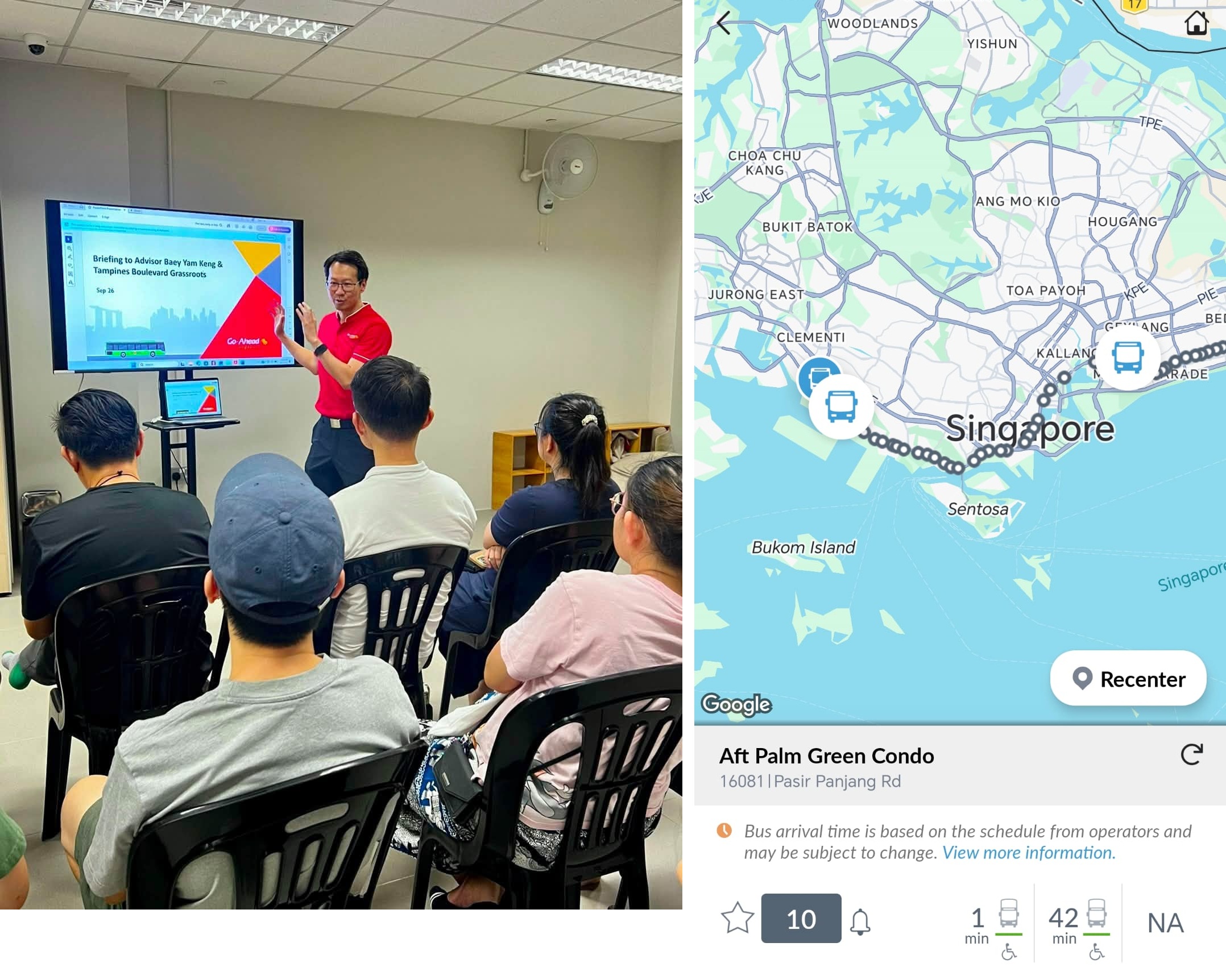
Go-Ahead Singapore‘s takeover of the Tampines Bus Package has faced early concerns from commuters, with residents saying their daily bus journeys have become less predictable, with longer waiting times and buses arriving together since the operator took over the services in July.
These issues were recently highlighted in a Facebook post by Tampines Member of Parliament Baey Yam Keng and also reported by Lianhe Zaobao.
- Many Tampines residents have told me that… – Baey Yam Keng 马炎庆
- 淡滨尼巴士配套换业者后问题频现 Go-Ahead:四成车长是新人 | 联合早报
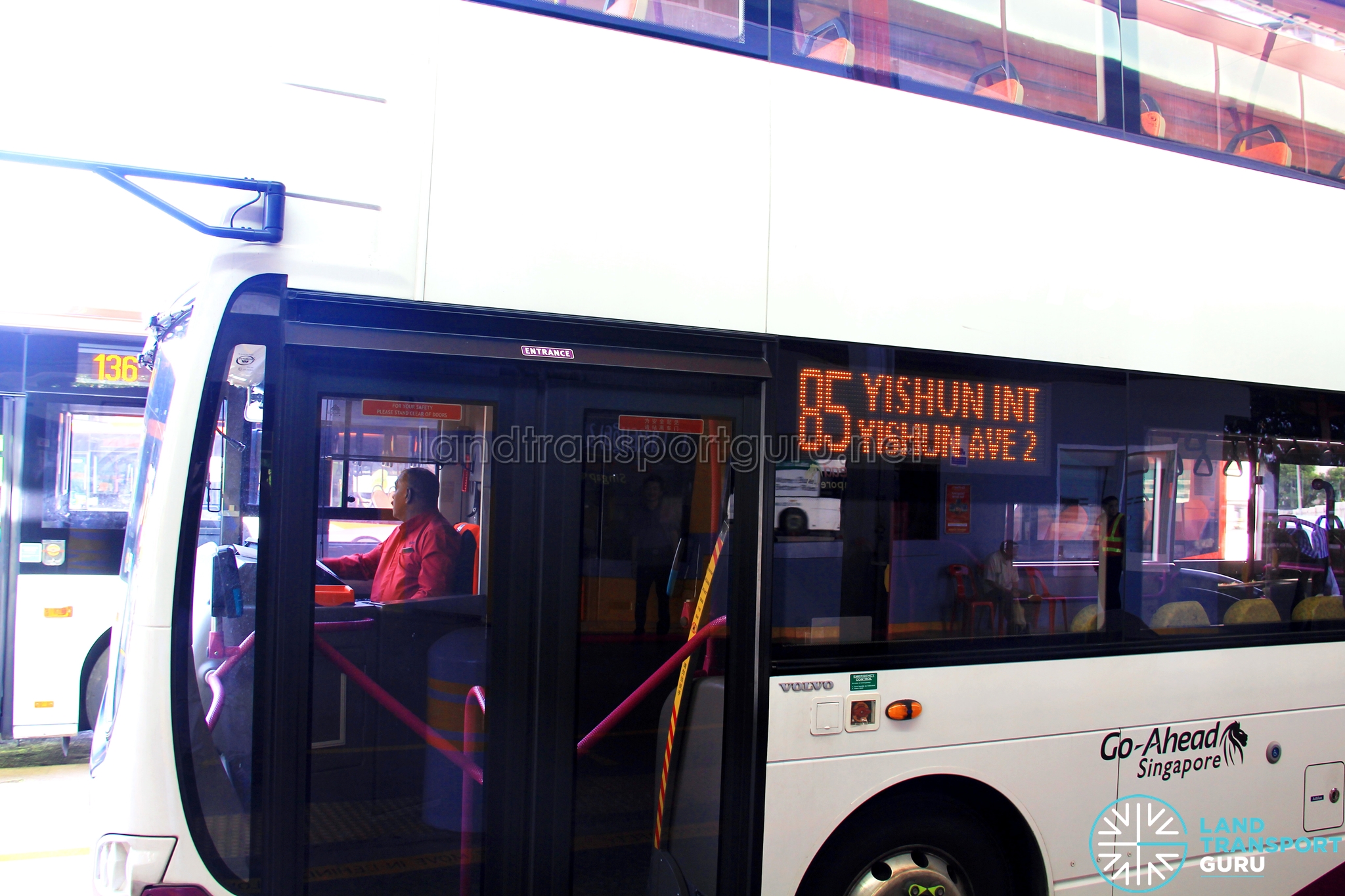
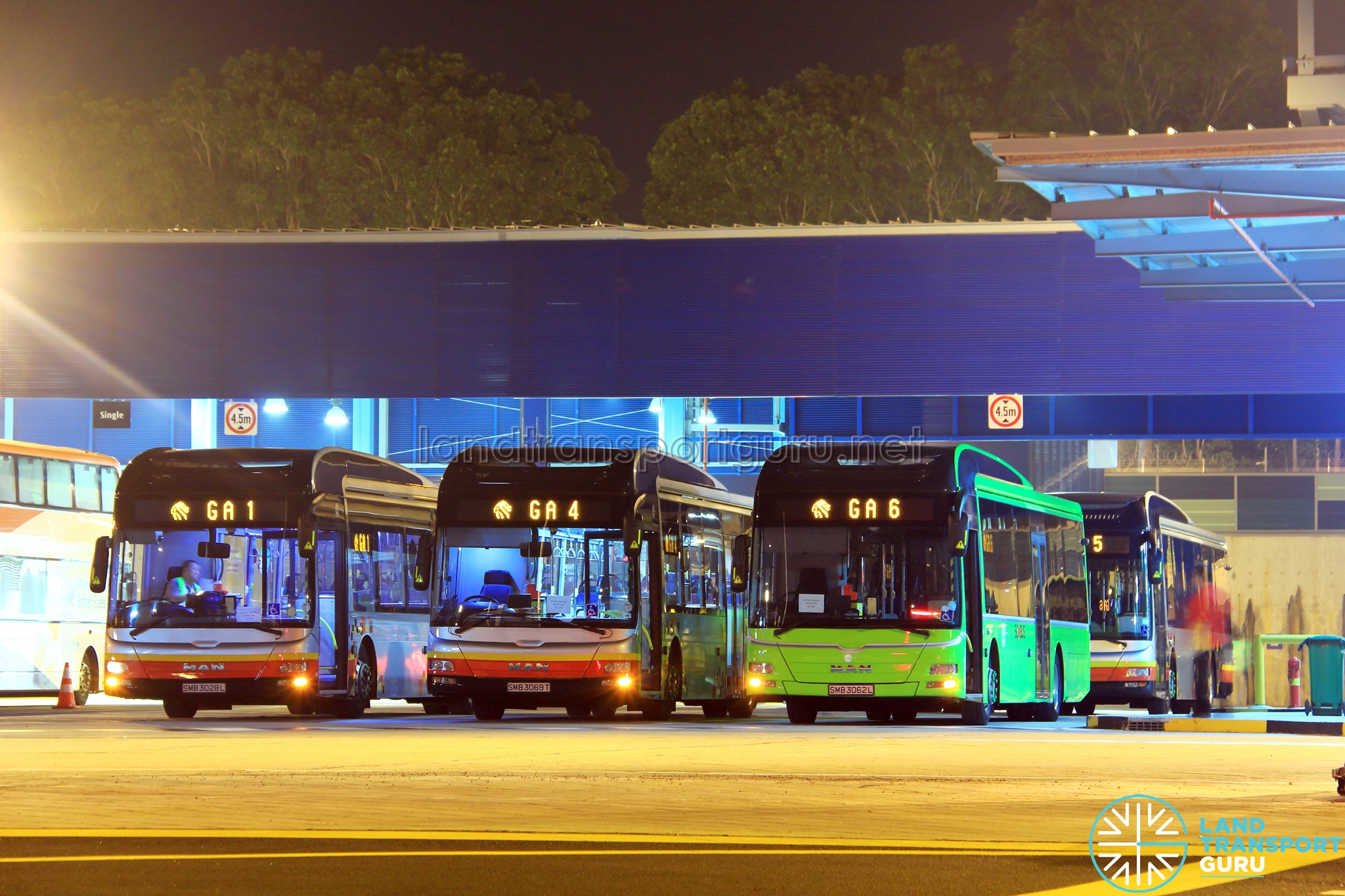
Go-Ahead took over management of the package from SBS Transit in two phases, on 5 and 19 July 2026. The contract covers 29 bus services and more than 400 buses, making it a substantial expansion of Go-Ahead Singapore’s operations.
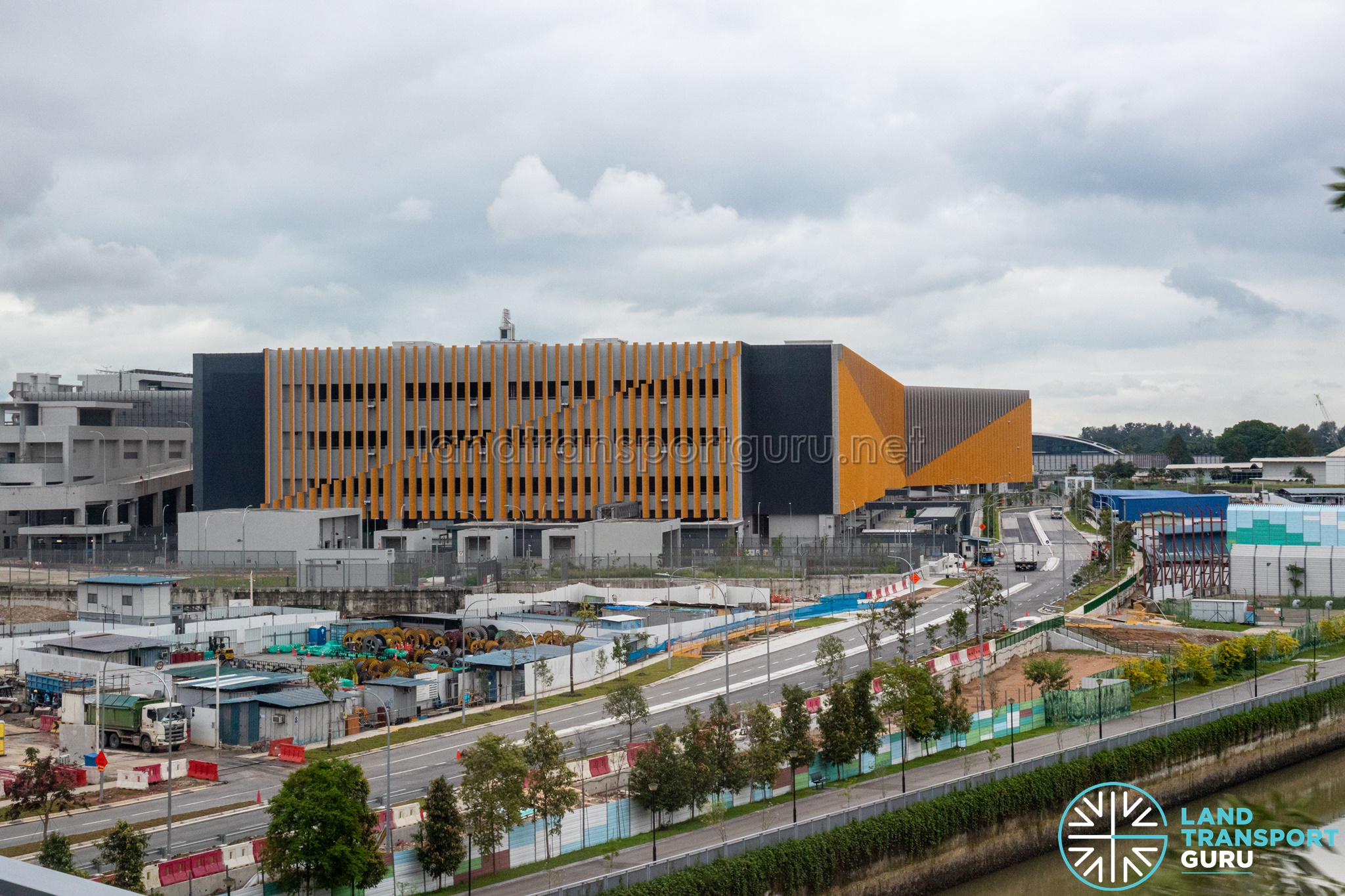
The company has attributed the initial service difficulties to two main factors: a high proportion of new Bus Captains, and the transition to operating from the new East Coast Bus Depot.
Service Disruptions and Impact on Commuters
The main issue for commuters is the lack of predictability. Mr Baey said residents had told him that their daily bus journeys had become “less predictable”, with longer waiting times and buses arriving together since Go-Ahead took over the services in July.
Bus bunching is particularly disruptive because it creates long gaps in service followed by multiple buses arriving at once. This means that even if all scheduled trips are operated, passengers may still experience a much longer wait than the published frequency suggests.
For a residential town like Tampines, where commuters rely on regular feeder and trunk services, the consistency of bus intervals is therefore as important as the number of trips operated. Mr Baey said he and the grassroots leaders have proposed targeted monitoring at key bus stops to establish actual waiting times, identify recurring delays and bus bunching, and guide corrective action.
Go-Ahead’s Explanation
Go-Ahead told Mr Baey that about 40% of the Bus Captains serving the new package are new, and therefore need time to familiarise themselves with the routes and operations.
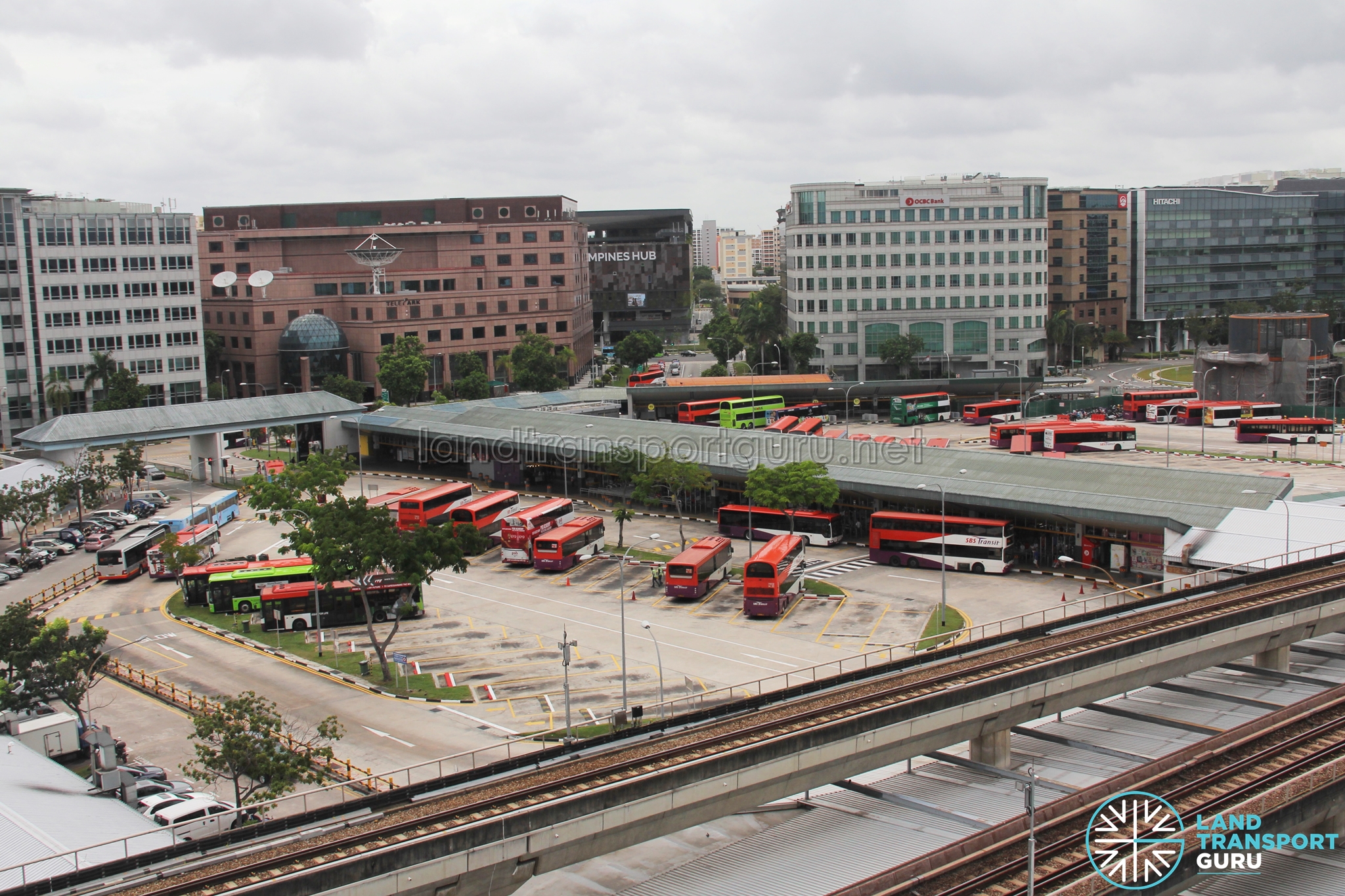
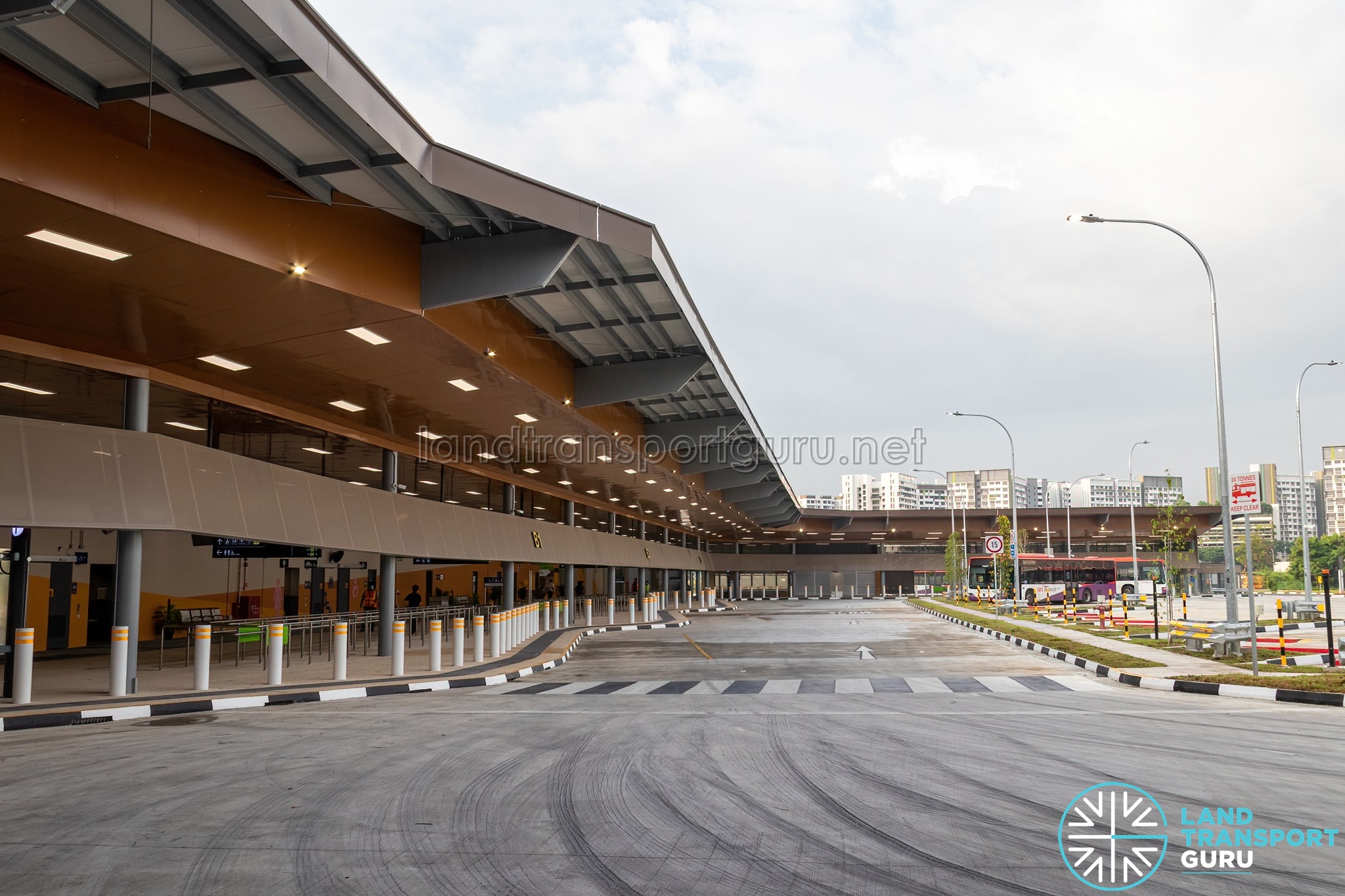
The transition also involves changes for Bus Captains who were previously based at the SBS Transit Bedok North Bus Depot. According to Mr Baey, the move to the new East Coast Bus Depot means they have had to adjust to different “off service” routes to and from the depot, longer or different travelling times from home, as well as changes to meal and coffee break locations and schedules.
Mr Baey said Go-Ahead indicated that these adjustments could affect staff attendance and performance, which could indirectly affect bus services. The operator said most of these issues have since been resolved and that it is strengthening training and support for its Bus Captains.
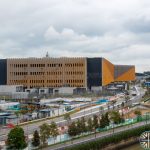
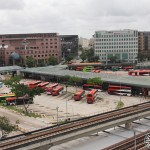
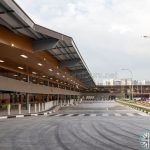
Depot Transition
The extent to which the depot transition is contributing to the reported service problems remains unclear. The Land Transport Authority (LTA) awarded the Tampines package in September 2025, giving Go-Ahead around nine months to prepare before the July 2026 takeover.
If the current delays stem from longer travel times between the depot and starting terminals, early-morning dispatch difficulties or other logistical bottlenecks, these have not been publicly detailed. The depot is therefore a plausible contributing factor, but it does not yet indicate how much it is contributing to the long waits and bus bunching reported by commuters.
This is also notable given Go-Ahead’s original tender proposal, which highlighted advanced operational-control capabilities and AI-driven tools designed to regulate bus intervals and prevent bunching. Its bid for the Tampines package was S$50 million higher than SBS Transit’s lowest bid, with the LTA saying Go-Ahead achieved the “highest total score” after taking both price and quality into account.
The significance is not that these tools should necessarily have prevented every disruption during a major takeover. Rather, operational control and service management formed part of the quality proposition on which Go-Ahead was selected. How effectively those capabilities are being applied during the transition will therefore be relevant as the operator moves beyond the initial adjustment period.
Regulatory Oversight and Performance Framework
The LTA already has the Bus Service Reliability Framework (BSRF) to assess bus-service reliability under the Bus Contracting Model (BCM). Each service is measured using the applicable reliability metric, such as Excess Wait Time (EWT) or On-Time Adherence (OTA), depending on the service and day type. Operators are also contractually required to operate at least 96% of their scheduled monthly mileage for each service.
The BSRF provides the LTA with an objective basis for assessing whether the reported disruptions amount to underperformance. This is important because commuter accounts can establish that a problem is being experienced, but the regulatory framework can establish its scale and whether the affected services are meeting the standards required under the contract.
So far, however, the LTA has not publicly addressed the concerns raised over Go-Ahead’s early performance in Tampines. Given the limited public visibility into service-level BSRF results, even an indication of how affected services are performing against their applicable contractual benchmarks would help put the reported disruption into context.
Transition Experience
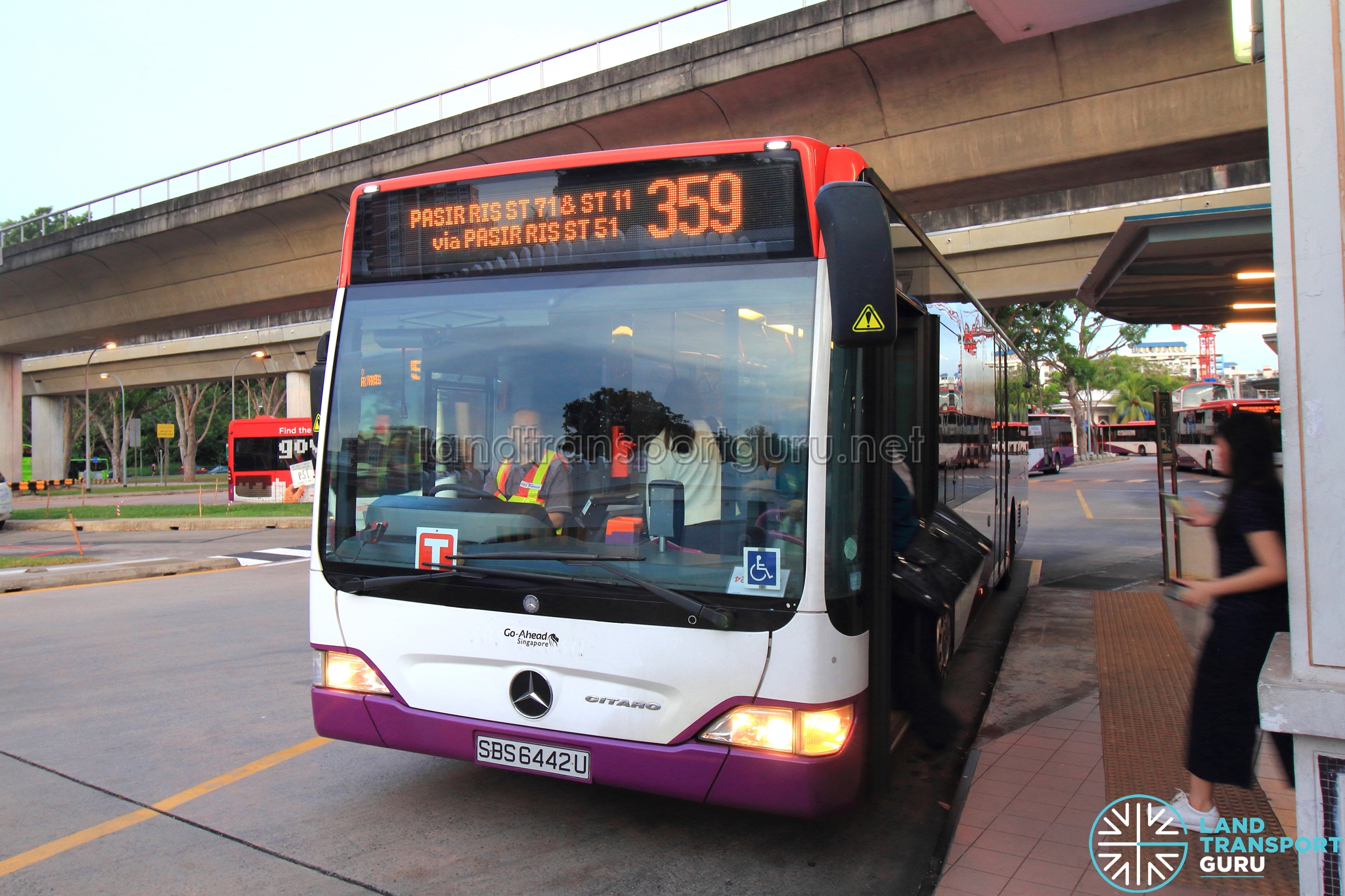
The Tampines takeover represents a significant expansion for Go-Ahead Singapore, nearly doubling the scale of its local operations. It is also the company’s first bus package transition in a decade, following its initial entry into the Singapore market with the Loyang Bus Package in 2016.
Go-Ahead faced more severe manpower difficulties during the 2016 Loyang transition. Partly linked to its interlining practices, the operator temporarily borrowed 40 bus captains from SBS Transit and SMRT Buses to maintain scheduled services, and subcontracted employee shuttle services to Tower Transit.
The circumstances appear to be different this time. Initial accounts by Mr Baey do not mention any shortage of Bus Captains, but the operational readiness of a large proportion of new staff and the adjustments associated with a new depot. The 2016 experience is nevertheless useful context: Go-Ahead has previously had to take significant measures to maintain scheduled services during a major expansion.
Service Recovery
While initial difficulties are expected for a large-scale takeover, a more useful measure now is whether service reliability improves as Go-Ahead’s Bus Captains become familiar with the network and the new operating arrangements settle.
For commuters, that recovery will be most visible through shorter and more consistent waiting times. For LTA, the BSRF provides the means to assess whether that improvement is reflected in actual service performance. Greater transparency around how affected services are performing against their applicable standards would also help distinguish temporary transition issues from a more persistent reliability problem. Improving public communication when service standards drop remains essential for managing future operator handovers effectively.