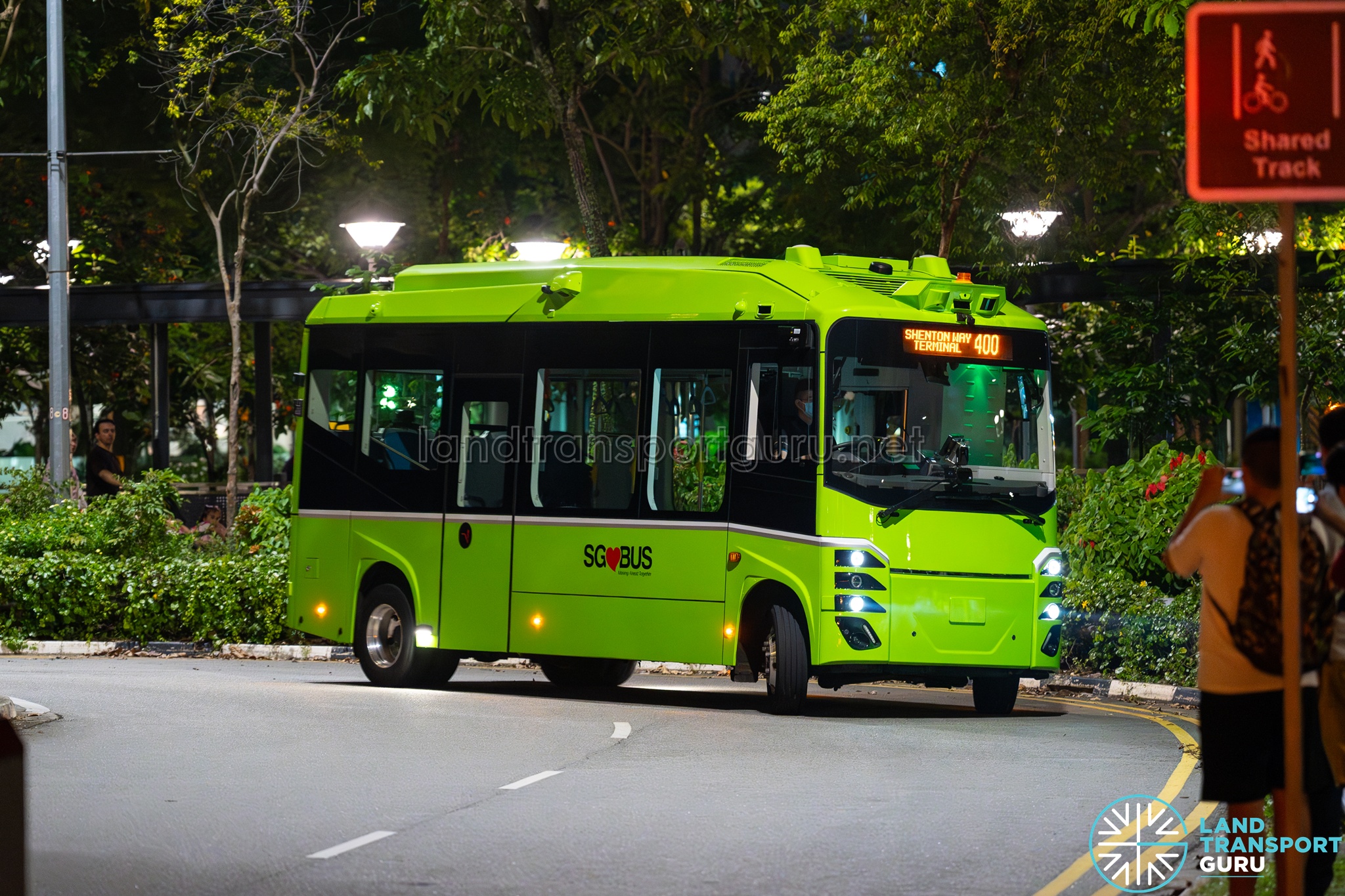
The Land Transport Authority (LTA) has cancelled plans to deploy autonomous public buses on Bus Services 191 and 400.
The rollout of these autonomous buses was originally scheduled to commence in mid-2026. In response to queries from Lianhe Zaobao, LTA confirmed that the six autonomous electric buses procured for the pilot programme would no longer be deployed on the two bus services as originally planned.
LTA said that it is adopting a phased and calibrated approach towards autonomous bus deployment, and is exploring more targeted applications, including employee shuttle services. Wider deployment on more complex public bus services would only be considered thereafter, with further details to be announced when ready.
Original Deployment Plan
LTA launched a Request for Proposal in January 2025, targeting a mid-2026 commencement. This was subsequently revised to the second half of 2026, as announced following the contract award in October 2025.
Under the original plans, six autonomous buses with at least 16 seats each would be progressively deployed on Service 400, serving the Marina Bay and Shenton Way area, followed by Service 191 in one-north. The buses would operate alongside conventional buses on both services.
The three-year pilot under Contract PT832 comprised a pre-deployment phase, during which the autonomous buses would undergo testing and safety assessments, followed by an initial deployment phase with onboard safety operators supervising autonomous operations.
Subject to satisfactory safety and operational performance, the buses could subsequently transition to remote supervision, with onboard customer service officers assisting commuters.
Depending on the performance of the initial fleet, LTA also had the option to procure up to 14 additional autonomous buses for deployment on two more public bus services, potentially expanding the fleet to 20 buses across four routes.
Tendering and Contract Award
Under Contract PT832 – Pilot Deployment of Autonomous Buses on Public Bus Services, tenderers were required to submit proposals covering:
- Proposed autonomous bus models with at least 16 seats
- Fleet management and remote operations systems
- Electric charging infrastructure
- Hardware and software for autonomous vehicle operations
- Associated maintenance and support services
According to LTA, the proposals were evaluated based on the maturity of the autonomous vehicle technology, the developer’s track record in local and overseas deployments, its ability to meet public bus operational requirements, and the comprehensiveness of the proposed supporting infrastructure.
Of the four tenderers, two were shortlisted, with LTA awarding the contract on 2 October 2025 to the consortium comprising MKX Technologies, Zhidao Network Technology (Beijing) and BYD (Singapore) for approximately S$8.14 million.
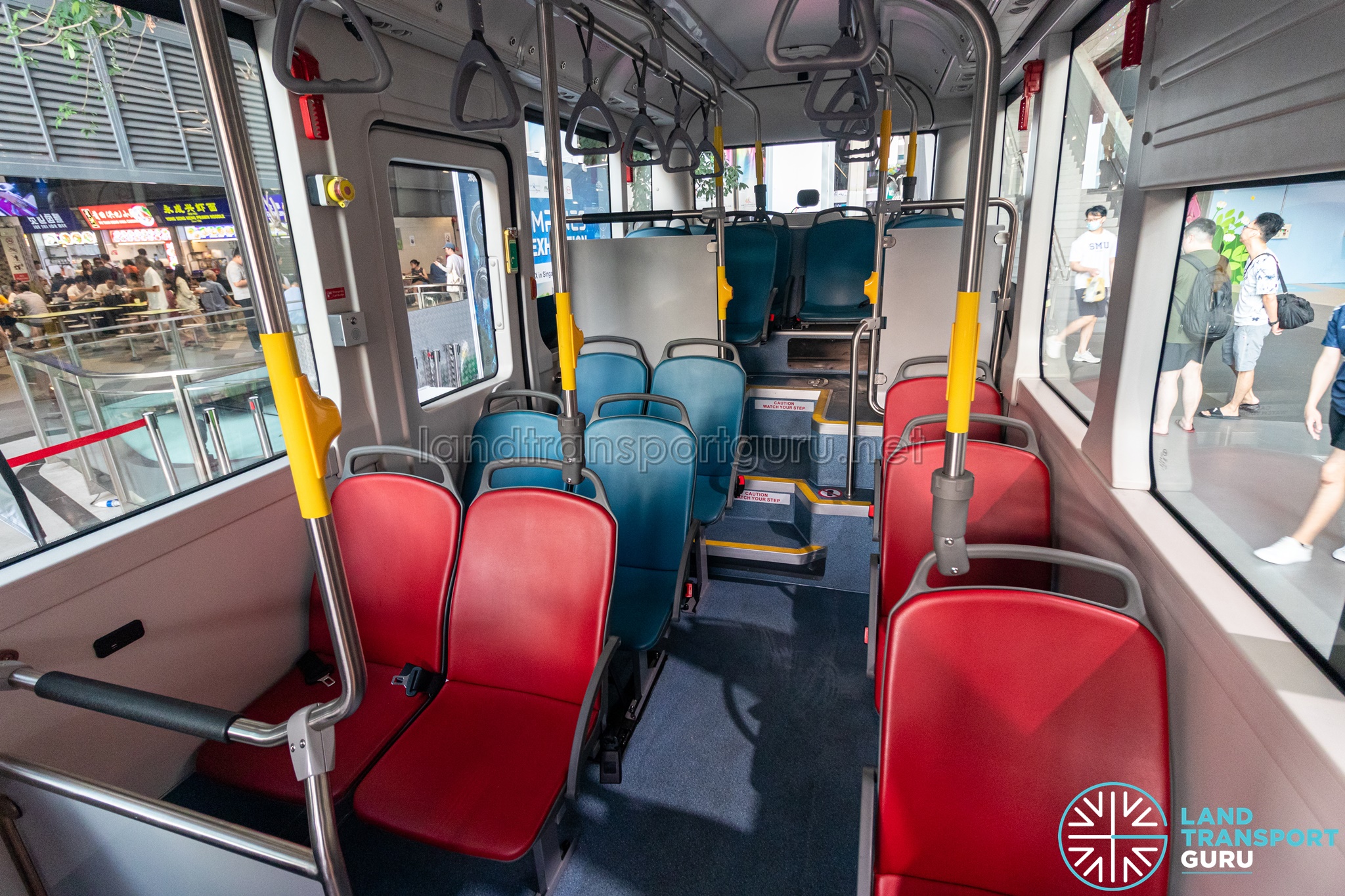
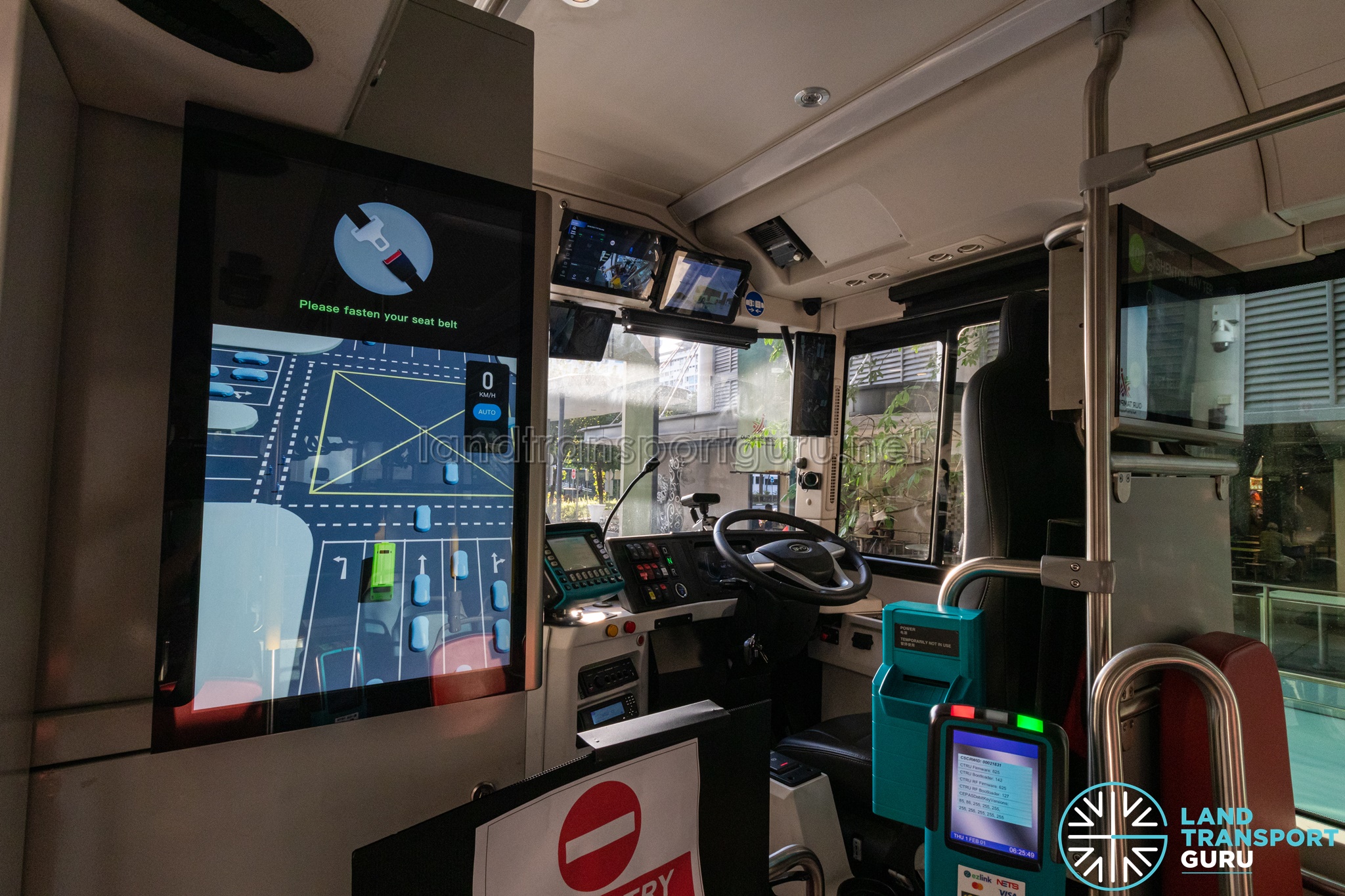
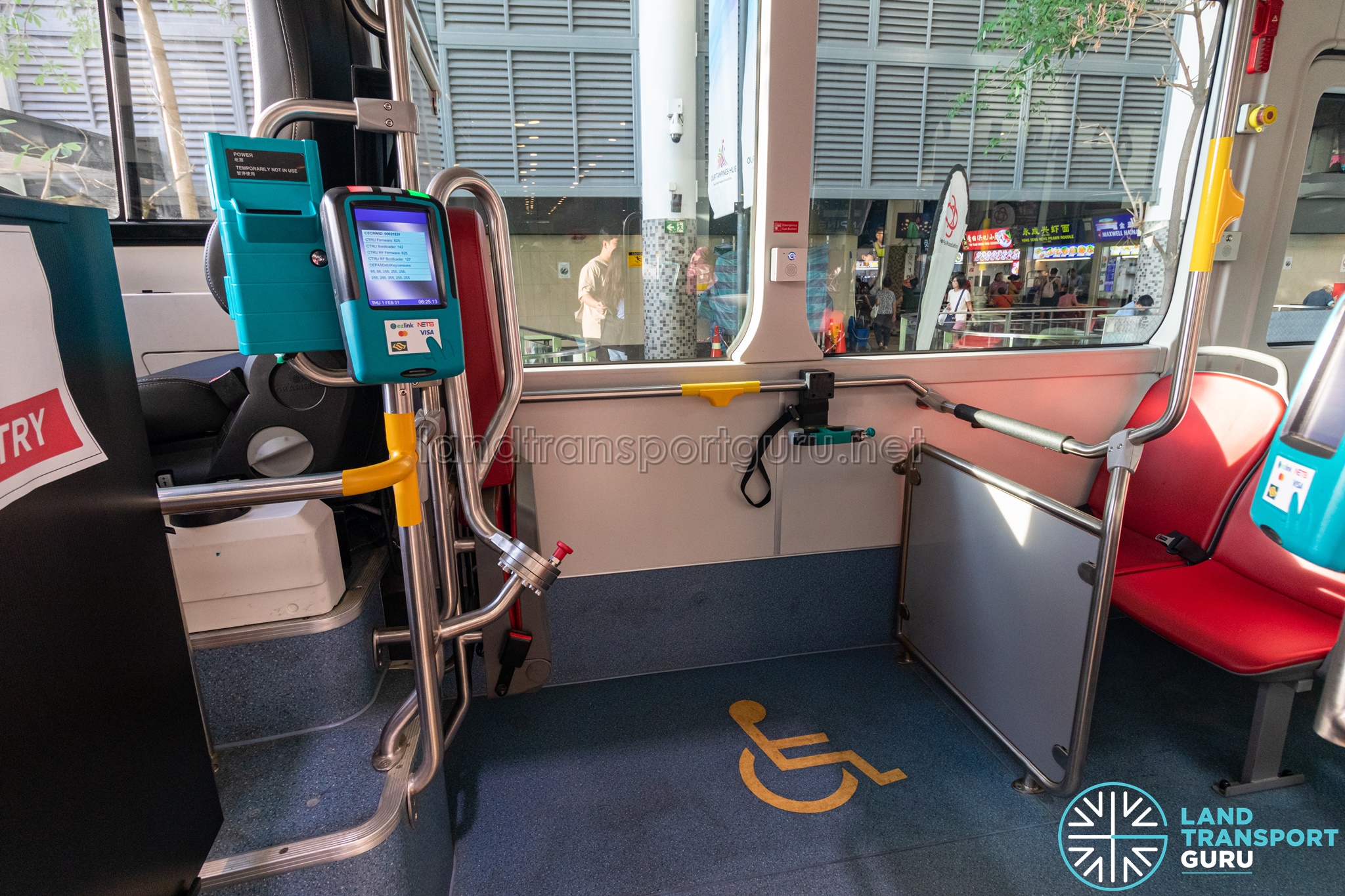
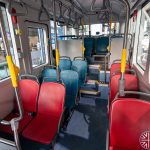
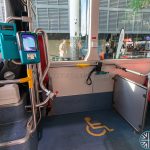
The autonomous electric buses supplied under the contract are the 16-seater BYD B70A02, equipped with designated spaces and boarding ramps for wheelchair users, personal mobility aid users and strollers.
Charging infrastructure for the autonomous buses was also installed at Ulu Pandan Bus Depot, which currently serves as the operating depot for both Services 191 and 400 under the Bukit Merah Bus Package.
Before commencing passenger operations, the buses were required to undergo safety assessments, including LTA’s Milestone 1 (M1) test at the Centre of Excellence for Testing & Research of AVs – NTU (CETRAN).
Progress & Cancellation of Deployment Plans
In March 2026, the first BYD B70A02 autonomous bus arrived in Singapore, with LTA reiterating plans to commence deployments on Services 400 and 191 in the second half of 2026. One unit was also displayed to the public in June 2026.
However, in its response to Lianhe Zaobao in October 2026, LTA revealed that only one of the six autonomous buses had obtained Milestone 1 (M1) certification, having passed the assessment in July 2026. The remaining five buses had also arrived in Singapore but were still being prepared for their respective M1 assessments.
LTA also confirmed that the planned deployments on Services 400 and 191 would no longer proceed, despite the original target of commencing operations in the second half of 2026.
Alternative deployment arrangements for the autonomous buses have yet to be announced. It also remains unclear how these changes would affect the original three-year pilot programme under Contract PT832.
Commentary
The cancellation of the planned autonomous bus deployments on Services 191 and 400 raises questions about whether LTA’s original ambitions were aligned with the maturity of autonomous vehicle technology and the practical requirements of regular public bus operations. The change in deployment strategy also warrants closer examination of the original procurement approach and the progress achieved under Contract PT832.
“Phased and calibrated” approach
LTA’s revised “phased and calibrated” approach, which includes exploring employee shuttle services before considering wider deployment on more complex public bus routes, represents a departure from the original pilot plans.
Such applications may offer a more controlled operating environment, with more predictable passenger demand and potentially fewer fare collection and enforcement requirements. This could allow autonomous driving technology to be evaluated under less demanding operational conditions before progressing to regular public bus services.
However, this also raises the question of whether the original pilot was sufficiently phased. The initial deployment plans envisaged autonomous buses carrying fare-paying passengers and fulfilling regular public bus service requirements from the outset, albeit with onboard safety operators during the initial phase.
LTA has not disclosed whether the change was prompted by technological limitations, supplier readiness, operational considerations or a broader reassessment of its deployment strategy.
Autonomous public bus challenges
The approximately 7-metre-long BYD B70A02 was intended to operate on existing public bus routes alongside conventional traffic, while retaining many of the onboard systems and operational requirements of regular public buses. Beyond navigating traffic and unexpected obstacles, this included negotiating complex environments such as the covered, access-controlled areas at Marina Bay Cruise Centre on Service 400.
Regular public bus operations also involve cash fare collection, wheelchair boarding, fare enforcement and handling onboard incidents, responsibilities currently undertaken or supervised by bus captains. While some functions can be automated, how others would be managed without a conventional bus captain remains unclear.
Although the original pilot envisaged a transition from onboard safety operators to remote supervision, with customer service officers remaining onboard, this would require a different operating model with its own staffing and incident management arrangements. The planned deployments were cancelled before this model could be demonstrated in regular passenger service.
Procurement and supplier questions
The winning tender price was approximately 45% lower than the S$14.69 million alternative bid submitted by WeRide, the only other shortlisted tenderer. While the price difference alone does not indicate that the winning bid was unsuitable, it raises questions about how cost and technical considerations were balanced, particularly the weight given to demonstrated deployment readiness.
Approximately one year after the contract award in October 2025, only one of the six buses had obtained M1 certification. While this provides an indication of the progress achieved, LTA has disclosed little about the appointed supplier’s overall readiness, any challenges encountered or how progress compared with its original expectations. In light of the cancellation, these gaps leave unanswered questions about the supplier’s capabilities, LTA’s expectations and the factors that contributed to the eventual outcome.
With all six buses already delivered to Singapore, fare collection equipment fitted onboard as seen during the June 2026 public exhibition, and charging infrastructure installed at Ulu Pandan Bus Depot, it remains to be seen how LTA will adapt the pilot to make use of these investments. The cancellation ultimately highlights the challenges of balancing procurement considerations, technological readiness and operational expectations when introducing autonomous vehicles into established public bus services.
See Also:
References
- 原定在两巴士路线部署 自驾公共巴士试行计划喊停 – Lianhe Zaobao [12 Oct 2026]