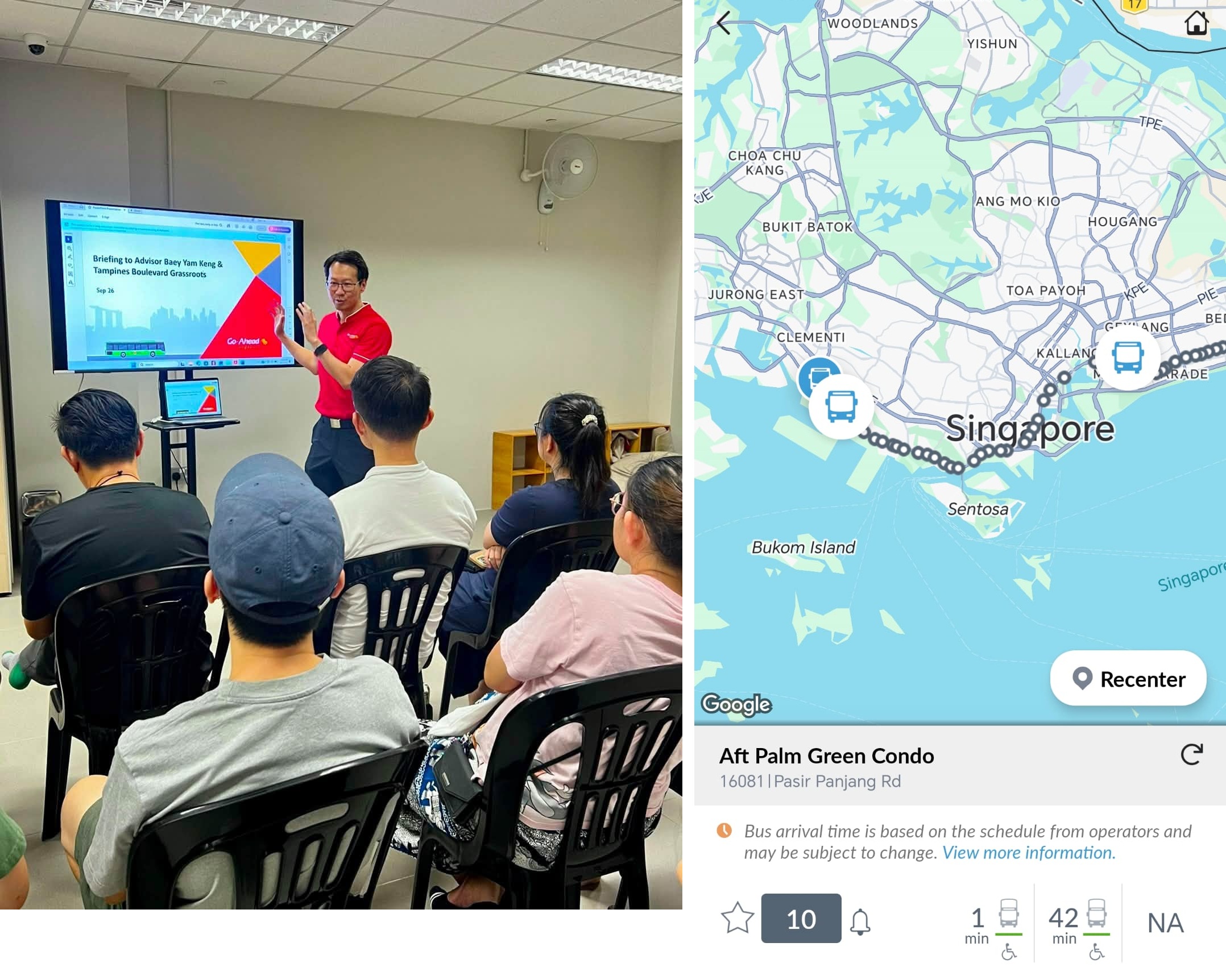
Go-Ahead Singapore‘s takeover of the Tampines Bus Package has faced early concerns from commuters, with residents saying their daily bus journeys have become less predictable, with longer waiting times and buses arriving together since the operator took over the services in July.
These issues were recently highlighted in a Facebook post by Tampines Member of Parliament Baey Yam Keng and also reported by Lianhe Zaobao.
- Many Tampines residents have told me that… – Baey Yam Keng 马炎庆
- 淡滨尼巴士配套换业者后问题频现 Go-Ahead:四成车长是新人 | 联合早报
Go-Ahead took over management of the package from SBS Transit in two phases, on 5 and 19 July 2026. The contract covers 29 bus services and more than 400 buses, making it a substantial expansion of Go-Ahead Singapore’s operations.
The company has attributed the initial service difficulties to two main factors: a high proportion of new Bus Captains, and the transition to operating from the new East Coast Bus Depot.
Service Disruptions and Impact on Commuters
The main issue for commuters is the lack of predictability. Mr Baey said residents had told him that their daily bus journeys had become “less predictable”, with longer waiting times and buses arriving together since Go-Ahead took over the services in July.
Bus bunching is particularly disruptive because it creates long gaps in service followed by multiple buses arriving at once. This means that even if all scheduled trips are operated, passengers may still experience a much longer wait than the published frequency suggests.
For a residential town like Tampines, where commuters rely on regular feeder and trunk services, the consistency of bus intervals is therefore as important as the number of trips operated. Mr Baey said he and the grassroots leaders have proposed targeted monitoring at key bus stops to establish actual waiting times, identify recurring delays and bus bunching, and guide corrective action.
Go-Ahead’s Explanation
Go-Ahead told Mr Baey that about 40% of the Bus Captains serving the new package are new, and therefore need time to familiarise themselves with the routes and operations.
The transition also involves changes for Bus Captains who were previously based at the SBS Transit Bedok North Bus Depot. According to Mr Baey, the move to the new East Coast Bus Depot means they have had to adjust to different “off service” routes to and from the depot, longer or different travelling times from home, as well as changes to meal and coffee break locations and schedules.
Mr Baey said Go-Ahead indicated that these adjustments could affect staff attendance and performance, which could indirectly affect bus services. The operator said most of these issues have since been resolved and that it is strengthening training and support for its Bus Captains.
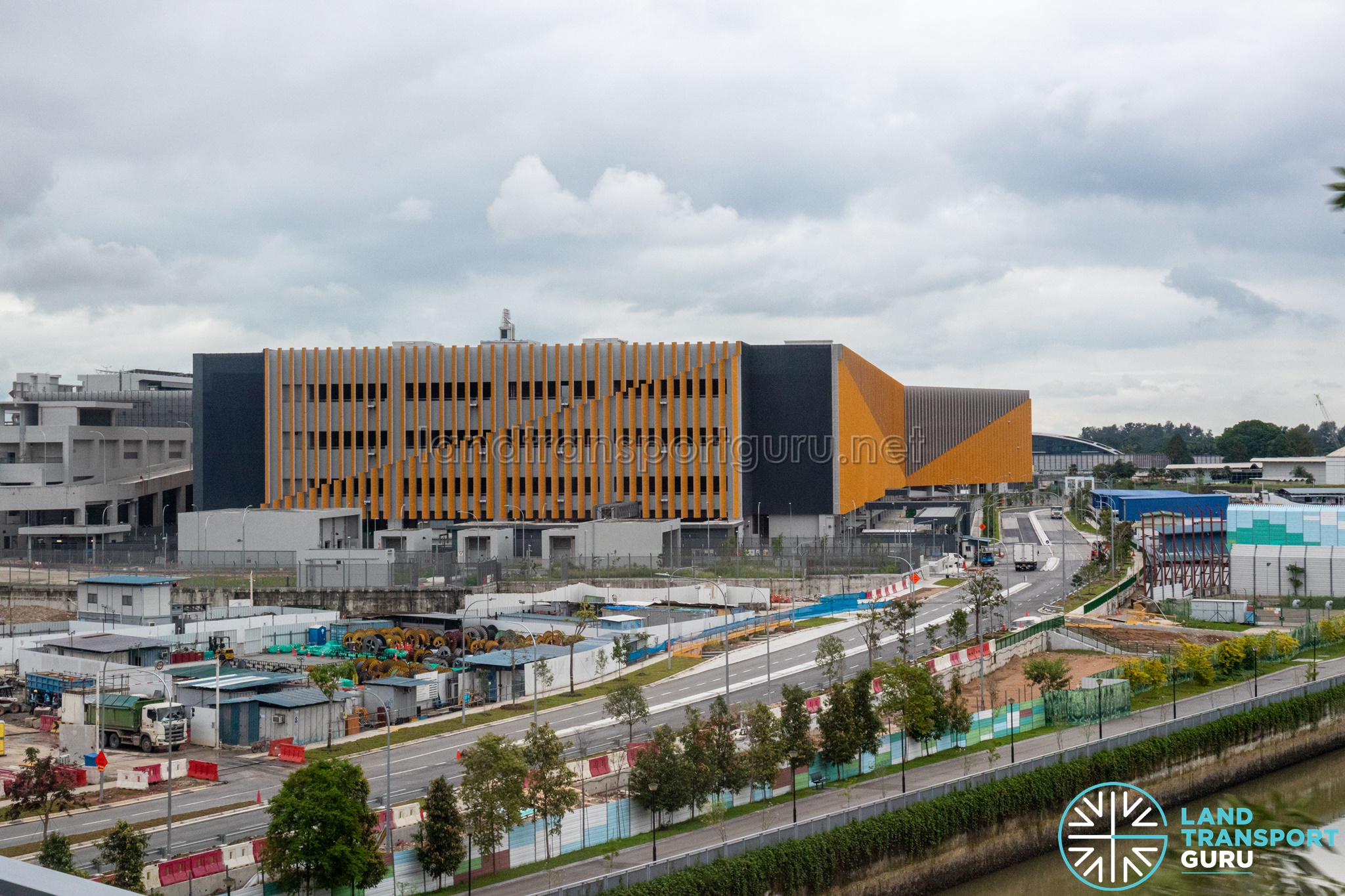
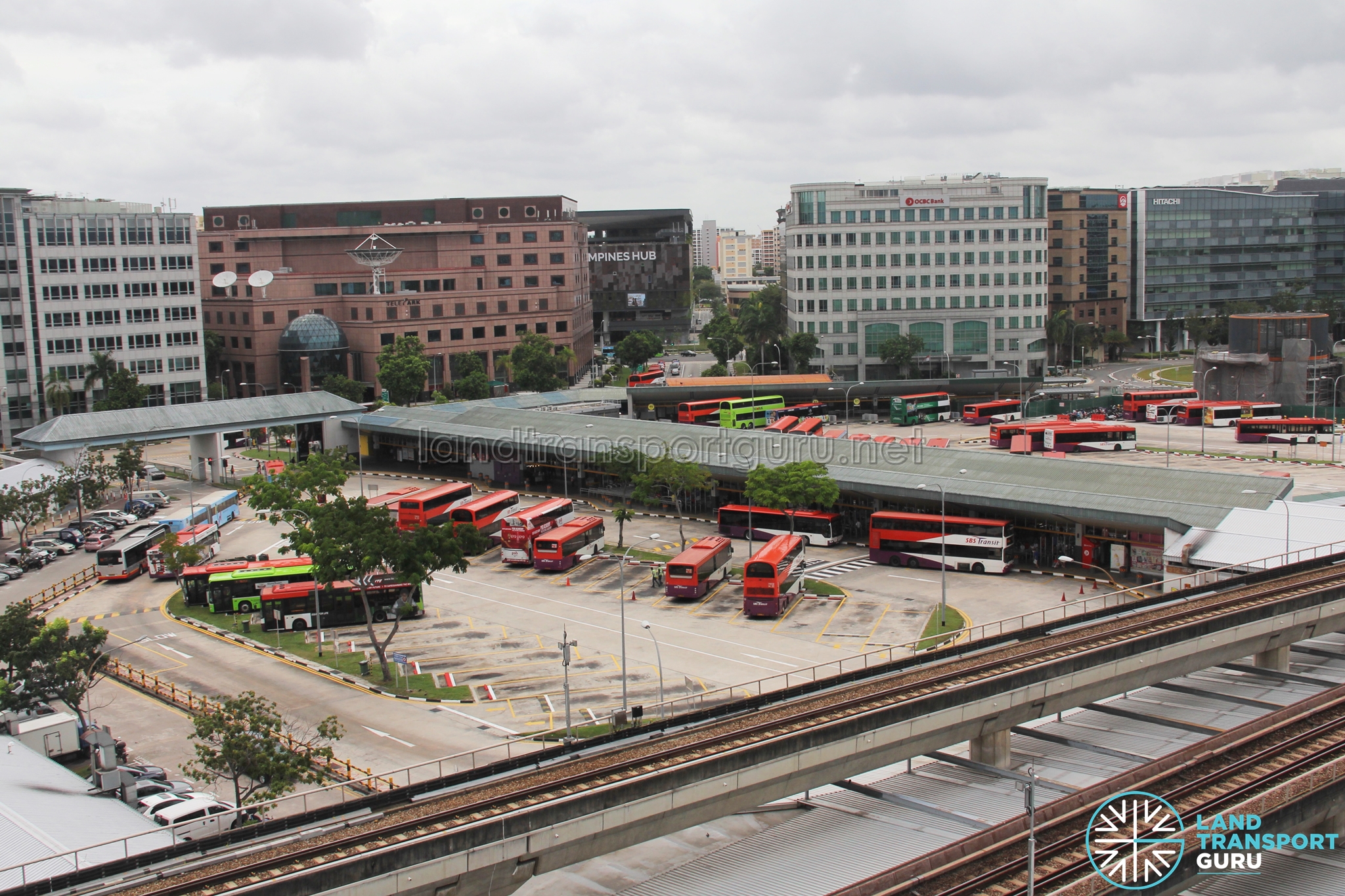
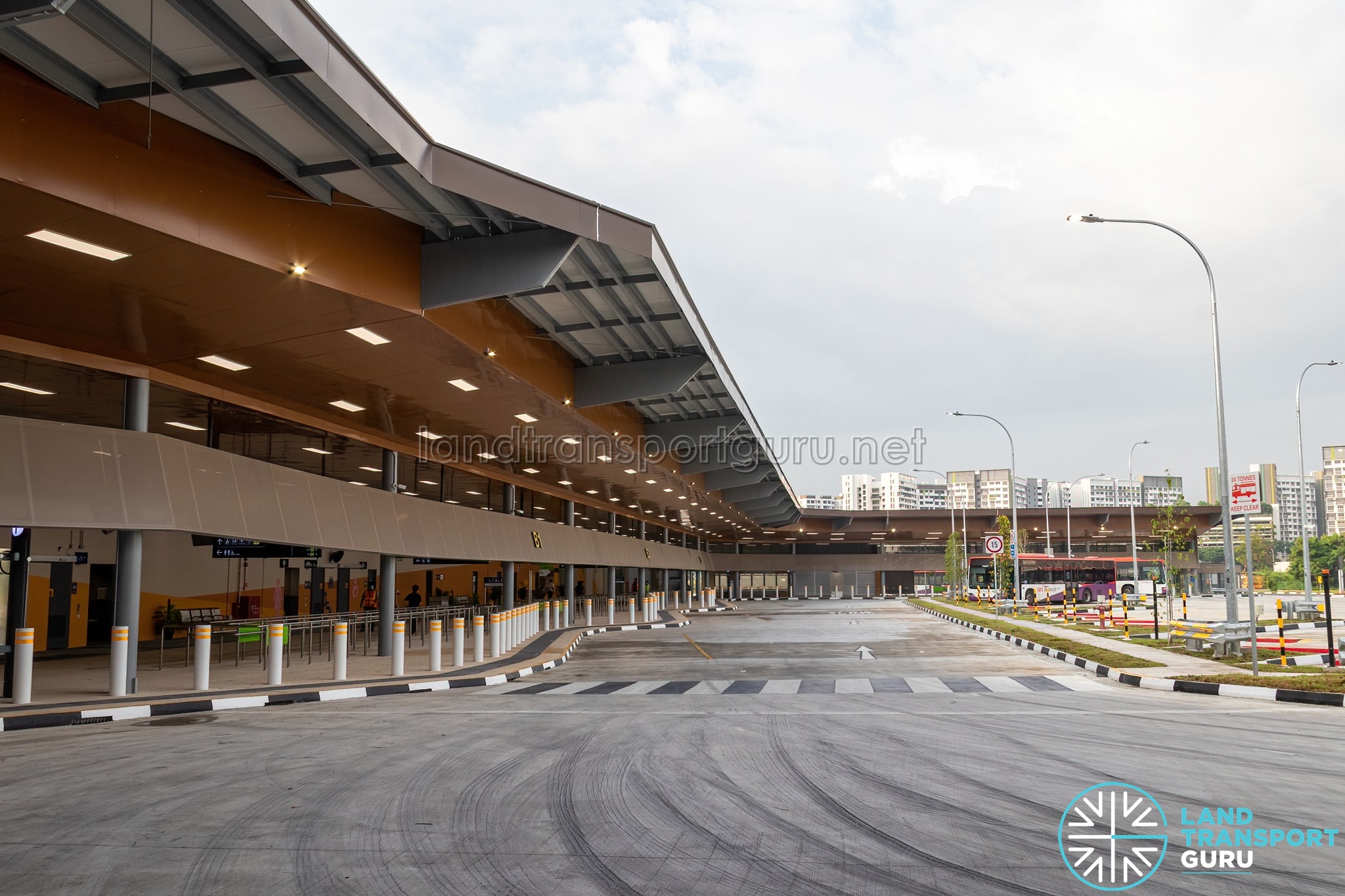
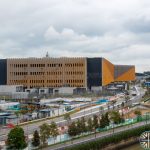
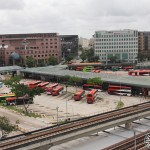
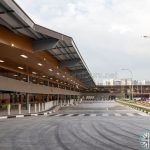
Depot Transition
The extent to which the depot transition is contributing to the reported service problems remains unclear. The Land Transport Authority (LTA) awarded the Tampines package in September 2025, giving Go-Ahead around nine months to prepare before the July 2026 takeover.
If the current delays stem from longer travel times between the depot and starting terminals, early-morning dispatch difficulties or other logistical bottlenecks, these have not been publicly detailed. The depot is therefore a plausible contributing factor, but it does not yet indicate how much it is contributing to the long waits and bus bunching reported by commuters.
This is also notable given Go-Ahead’s original tender proposal, which highlighted advanced operational-control capabilities and AI-driven tools designed to regulate bus intervals and prevent bunching. Its bid for the Tampines package was S$50 million higher than SBS Transit’s lowest bid, with the LTA saying Go-Ahead achieved the “highest total score” after taking both price and quality into account.
The significance is not that these tools should necessarily have prevented every disruption during a major takeover. Rather, operational control and service management formed part of the quality proposition on which Go-Ahead was selected. How effectively those capabilities are being applied during the transition will therefore be relevant as the operator moves beyond the initial adjustment period.
Regulatory Oversight and Performance Framework
The LTA already has the Bus Service Reliability Framework (BSRF) to assess bus-service reliability under the Bus Contracting Model (BCM). Each service is measured using the applicable reliability metric, such as Excess Wait Time (EWT) or On-Time Adherence (OTA), depending on the service and day type. Operators are also contractually required to operate at least 96% of their scheduled monthly mileage for each service.
The BSRF provides the LTA with an objective basis for assessing whether the reported disruptions amount to underperformance. This is important because commuter accounts can establish that a problem is being experienced, but the regulatory framework can establish its scale and whether the affected services are meeting the standards required under the contract.
So far, however, the LTA has not publicly addressed the concerns raised over Go-Ahead’s early performance in Tampines. Given the limited public visibility into service-level BSRF results, even an indication of how affected services are performing against their applicable contractual benchmarks would help put the reported disruption into context.
Transition Experience
The Tampines takeover represents a significant expansion for Go-Ahead Singapore, nearly doubling the scale of its local operations. It is also the company’s first bus package transition in a decade, following its initial entry into the Singapore market with the Loyang Bus Package in 2016.
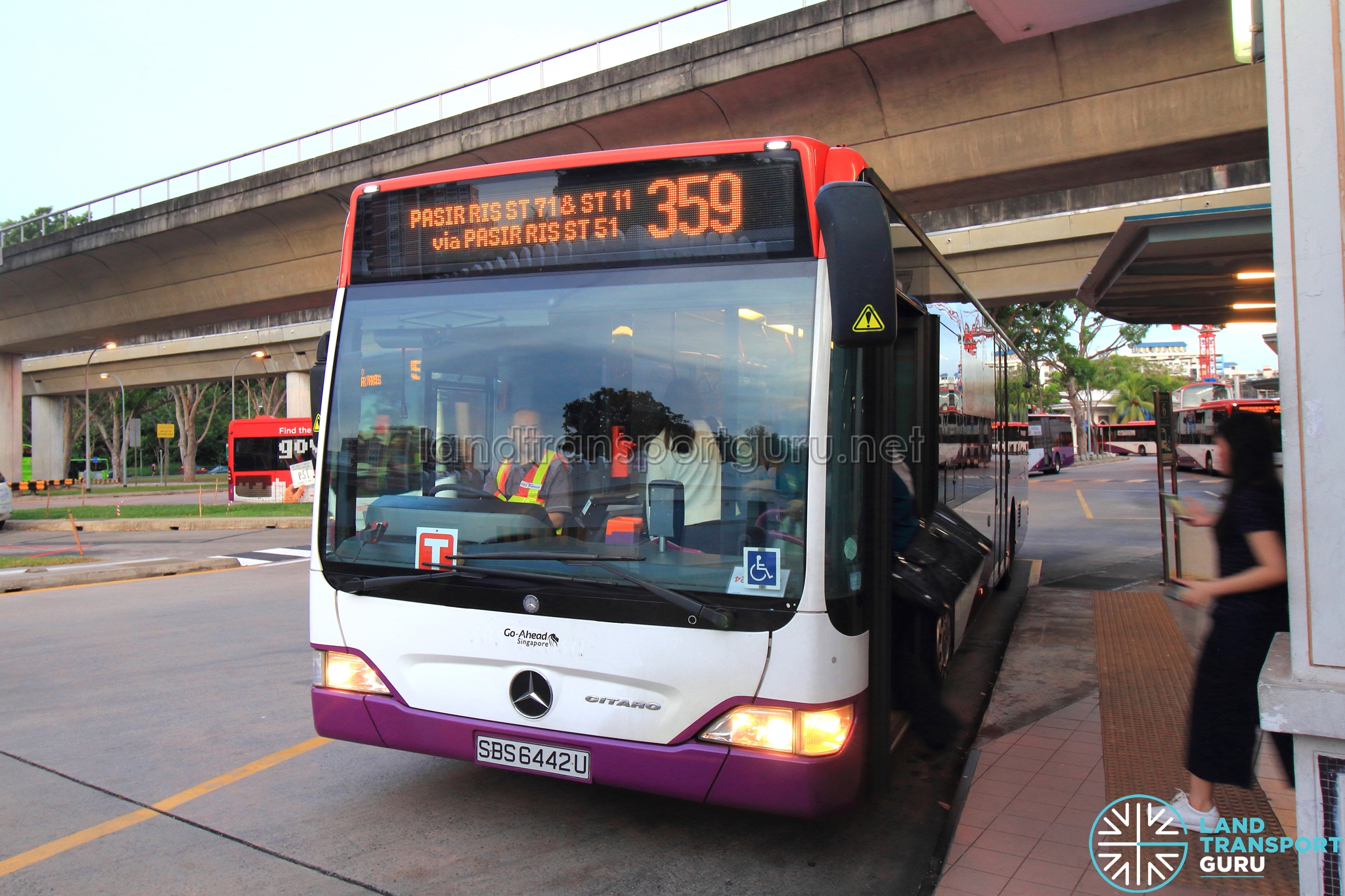
Go-Ahead faced more severe manpower difficulties during the 2016 Loyang transition. Partly linked to its interlining practices, the operator temporarily borrowed 40 bus captains from SBS Transit and SMRT Buses to maintain scheduled services, and subcontracted employee shuttle services to Tower Transit.
The circumstances appear to be different this time. Initial accounts by Mr Baey do not mention any shortage of Bus Captains, but the operational readiness of a large proportion of new staff and the adjustments associated with a new depot. The 2016 experience is nevertheless useful context: Go-Ahead has previously had to take significant measures to maintain scheduled services during a major expansion.
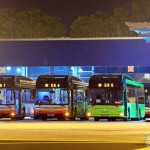
Service Recovery
While initial difficulties are expected for a large-scale takeover, a more useful measure now is whether service reliability improves as Go-Ahead’s Bus Captains become familiar with the network and the new operating arrangements settle.
For commuters, that recovery will be most visible through shorter and more consistent waiting times. For LTA, the BSRF provides the means to assess whether that improvement is reflected in actual service performance. Greater transparency around how affected services are performing against their applicable standards would also help distinguish temporary transition issues from a more persistent reliability problem. Improving public communication when service standards drop remains essential for managing future operator handovers effectively.
Not sure if this is new I noticed that 81 tends to be mostly single deck now
I know it always has been
Otherwise I havent noticed anything super different from previously although thats not saying things are great either
Perhaps more bunching along certain routes (cough)
The main one I notice is the timing of bus 68 is highly erratic (due to the nature of pasir ris > tampines > pasir ris)(?)
The situation with single deck bus 23 isnt great either
Bus 39 as well arguably the most
969 is under tower? Although it seems to have gotten worse too if perhaps only by a small amount possibly just margin of inconsistency
118 also has bunching issues though I understand its quite choked at certain sections
Like I understand its not really possible to provision everything exactly and a lot/every bus is in high demand
No problem on 969 just too many buses deploy even during off peak.. Number of buses face issue that’s why can see some trip got certain gap. Heard many B9TL got maintenance issue inherit from previous operator. 39 should run with 13 DD at least. 81 should run 11 DD and not solely during peak hours only. 23 3 SD maximum not more than that weekends better full DD.
The buses have a similar issue where the bus is empty half the time
969 is really full between tampines and katib and then is empty from katib to woodlands
And thats with the current high frequency the demand is just too high the whole day
39/81 demand is low between tampines and pasir ris and then is huge on the other side
I think maybe the optimal solution is to split the buses doesnt seem like lta would agree though
The bunching situation is probably worse on woodlands/yishun side and whatever is going on with bus 72
As a resident of Tampines myself and a regular user of buses there, I think there are some big improvements needed. Change is good yes, provided it’s beneficial and not a step backwards. I’ve seen a big increase in the number of female drivers which I applaud Go-Ahead for hiring. However, the frequency and bus deployment leaves much to be desired. Service 72, which I take on a daily basis, has been given many MAN A95 buses which I like, but the number of single decker buses has also increased, which often is crowded with no seats available. Bus brunching is also common, which can be excepted during peak periods where buses arrive regularly. However, I’ve seen on many occasions at night and on weekends where 2 buses still arrive together. There is no excuse for bus brunching to occur during off peak periods or late at night where the roads are clear, which is a disappointment. Service 23 is a hot topic too. Yes the number of commuters have decreased over the years but the number of single decker buses on this service has increased drastically. There can be up to 4 single decker buses in a row from what I’ve seen which also leads to crowding and many people standing for long distances. Service 298 for example, doesn’t need the double deckers which it was assigned.post travel on short journeys and thus service 23 needs it more. If I’m fair to say, even service 127 doesn’t need a double decker if they are really short on double decker buses. I do hope that the management can look into their bus deployment type and also bus brunching, as certain timings can be excused but not late at night.
bus 298 has really high demand during the peak hours, especially during the SBST era they refused to deploy DD for 298 and the crowd is till the front door. the debut of DD for 298 is a significant milestone for improving last-mile connection between railway stations and residential estates. (although i believe 292 would benefit from DD due to the high ridership with the amendment to tampines lane).
the only issue is that G-AS didn’t acquire much DD from SBST but has obtained almost all Scania KUB from BNDEP which adds to the SD fleet. hopefully they will return the KUB to SBS soon in exchange for more A22s just like jurong west package
The reason why LTA allocate 100 plus KUB E4 to GAS is because of the incoming EV buses that ECD will receive this year end and it’s obviously true that SBST doesn’t transfer much DD to GAS. Beside that many KUBs in workshop due to wear and breakdowns and most of the engineering side doesn’t has the expertise to repair Scanias.GAS also first time maintain unfamiliar models like the ADL Enviro 500 3D which use Mercedes-Benz Euro 6 engine and the Volvo B5LH Hybrid which contributes to duty drops for their operation and they keep leasing buses from Loyang. Another factor is their EX-SBST management and rostering team which is horrendous cause they didn’t have the interline duty experience. The newbies that they hire is just sub standard drivers from all walk of field and GAS is choosy in employing ex-BC from other operators too which make thing more miserable.
So far I havent really seen any new buses they are either not deployed yet or it seems priorityzed other regions
Cuz GAS reject the buses , now have shortage of bus and need to take in the rejected buses
Also 90% of KUB is from other depot , not BNDEP
Such disappointment to see these happening when being taken over by new bus company, even svc 72 frequency has drop and not so frequent as compared from previous handler by sbstransit this bus svc 72 used to come at least three buses withing 5 mins or so but now omg 10 mins come only three buses plus longer waiting time too, and they have taken out all the 3 doors electric buses from svc 38 too as am residing in simei and to my knowledge they have returned all these 3 doors linkker electric buses to sbstransit to be use on svc 229 instead where previously svc 229 do not use these electric buses. Previously svc 38 managed by sbstransit used these electric 3 doors linkker buses for a reason but now when go ahead took over they did not want to use these brand new linkker electric buses on svc 38 anymore. Transport minister really must look into these matters seriously cos I agree too that the initial teething issues should not be used as an excuse for the poor service performance. Especially when a company started taking more and more services doesnt mean they are progressing or manageable and likewise it means they started to take things for granted and handle in their own ways of hands thus these kind of problems like teething pointers arises somehow, so in fact minister should gage and monitor closely on the company performance before allowing them to take over the services and is not like reshuffling like a cabinet stuff like that so easily as I believe reshuffling of cabinet also needs to monitor and takes extra precaution measures before putting the right person in each place right. So this somehow also should work the same way of treatment too in decision making. Wake up wake up knock sense into your brains before regret making the wrong decision.
The fact that they are making this news means that the situation has already been addressed, and they are highlighting the result. Seeing this kind of news, some people may find the timing a little interesting, but there can be different reasons for it.
Nevertheless, Tampines residents have the Downtown Line to supplement the buses, and most areas in Tampines have more than one bus route. So, even though the frequency has been lower for the past few months, the impact on residents may not have been that significant.
In any case, it is good to see that things have improved now.
In the first place why award Tampines to Go Ahead when Loyang package is just next door. They should venture elsewhere like TTS one West and one North. Serangoon-Eunos is more sensible for GAS except for 105 and 154.GAS can request to park part of 105 and 154 at Bulim for more efficiency operations. Tampines a lot of vital bus service like 20,23,31,72,81,129,291 and 293.If you shortchange this svc you better wait for the consequences.. 298 part of adding DD is a welcome but not really necessary as most of the time it’s not even half full. Now too late already they must improve within these few months. I rather see SMRT taking Tampines than Go-Ahead seriously…