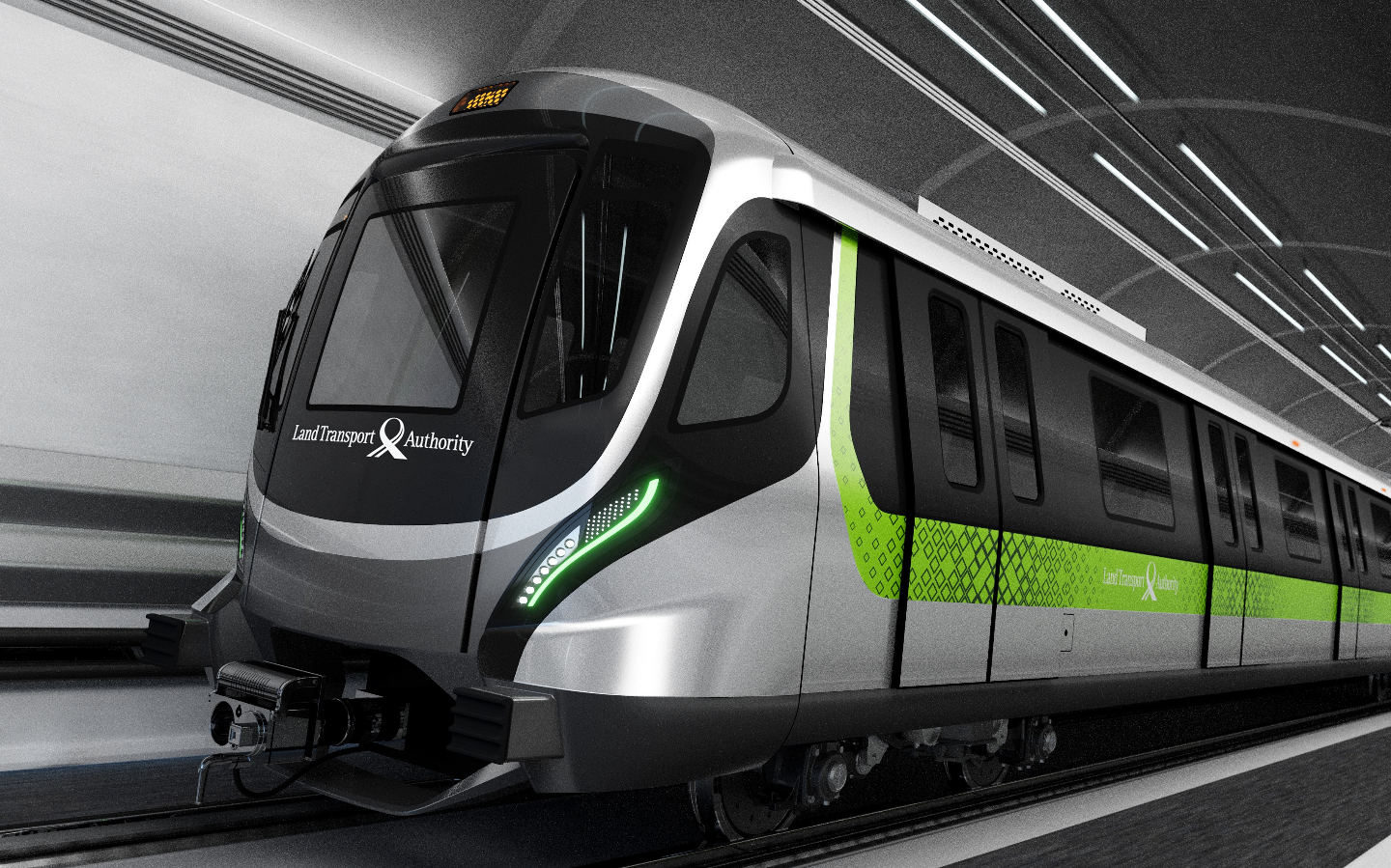
| CRRC Sifang CR151 |
|
 |
|
| In service | From 2030 |
| Manufacturer | CRRC Qingdao Sifang Co., Ltd |
| Number built | 264 vehicles (44 trainsets) |
| Formation | 6 cars per trainset, provision for 8 cars per trainset |
| Fleet number | PV01 – PV44 (5001 – 5044) |
| Operators | — |
| Depot(s) | Changi East Western Depot |
| Line served | Cross Island Line (CRL) |
| Technical Data | |
| Doors | 5 per side per car |
| Electrification | Overhead conductor rail 1500V DC |
| Signalling | Siemens Trainguard CBTC |
| Track gauge | 1435 mm |
This article is about the Cross Island Line (CRL) trains. Click here for Alstom Movia R151 trains on the NSEWL.
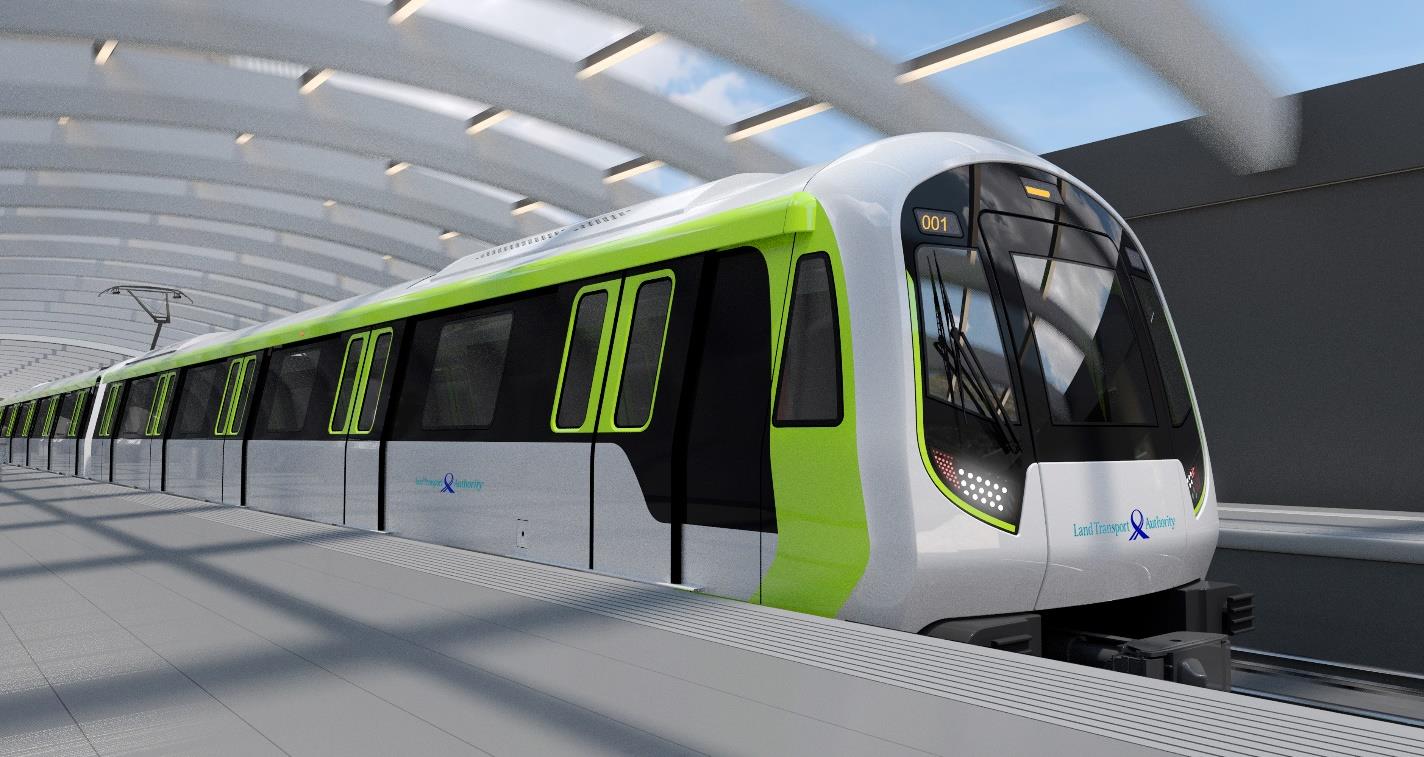
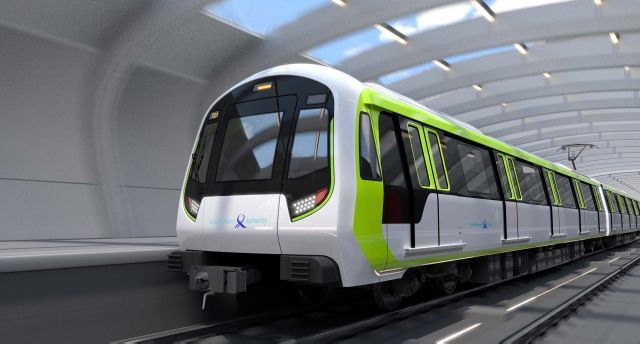
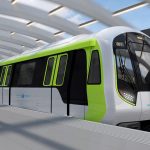
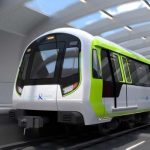
The CRRC Sifang CR151 train is an electric multiple unit (EMU) train which will operate on the upcoming Cross Island Line (CRL). Projected to enter service in 2030, these are the CRL’s first generation of rolling stock. Trains will be built in China and are expected to be delivered progressively from 2027.
Forty-four (44) trains were procured under Contract CR151, with each train formed of six cars. These trains will also be capable of being extended to 8 cars.
Tender & Award
An LTA-issued tender for these trains, Contract CR151 – Trains for Cross Island Line, was published on the government procurement website GeBIZ on 18 March 2022 and closed on 23 September 2022.
Four companies responded to the tender, namely:
- Alstom Transport (S) Pte Ltd
- Construcciones Y Auxiliar De Ferrocarriles, S.A.
- CRRC Qingdao Sifang Co., Ltd. (tendered as a consortium)
- Hyundai Rotem Company
On 14 June 2023, Contract CR151 was awarded to the consortium of CRRC Qingdao Sifang Co., Ltd and Singapore CRRC Sifang Railway Vehicles Service Pte. Ltd (CRRC Sifang) at a contract value of S$589 million. This includes the supply of 44 six-car trains, as well as options to procure up to 11 additional trains, and the provision of Long Term Service Support.
CRRC Sifang had previously supplied trains for the North-South, East-West and Thomson-East Coast lines, in collaboration with Japanese firm Kawasaki Railcar Manufacturing.
Features
Each train car will have 10 doors per car (5 on each side) for quicker passenger boarding and alighting, compared with four doors on most existing train lines. Additionally, CRL trains are fitted with micro sliding plug doors, which improve noise insulation.
Trains will draw power from a 1,500V DC overhead conductor rail (OCR) system. According to LTA, this improves energy efficiency and suits the demands of a long, high-capacity underground line like CRL. The North East Line is the only other rail line using 1500V DC electrification.
Trains will be fully automated and driverless, and controlled via a communications-based train control (CBTC) signalling system. Monitoring and diagnostic systems are used to detect potential equipment faults early, including axle box and gearbox monitoring features. Some of the trains will also be equipped with an automated track inspection system, which enables them to monitor the condition of the running rail and overhead conductor rail (OCR) in real time.
Delivery & Testing
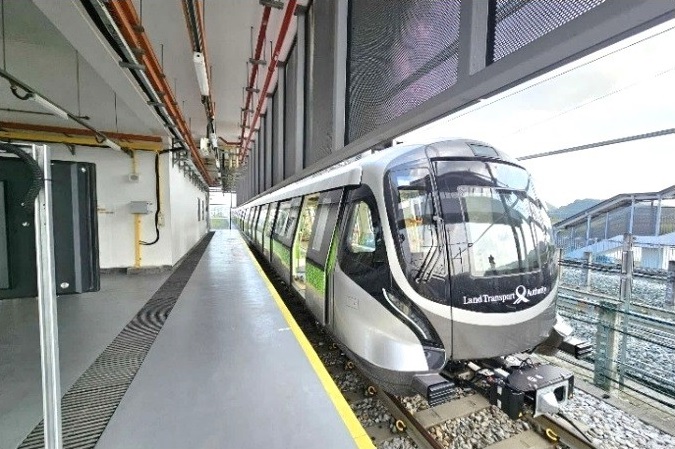
The first train arrived in Singapore on 31 May 2026, and it was delivered to the Singapore Rail Test Centre (SRTC) for testing.
At the SRTC, the train will undergo a comprehensive series of validation tests covering rolling stock, signalling, Integrated Supervisory Control System (ISCS), and communications systems. These tests will validate the interfaces, functionality, operational performance and safety requirements of the train systems under normal, fault and emergency scenarios, ensuring that they meet stringent safety and performance standards before being tested on the actual CRL network.
Following the completion of testing, the train will be returned to the manufacturer, CRRC Qingdao Sifang Co., Ltd and Singapore CRRC Sifang Railway Vehicles Service Pte. Ltd (CRRC Sifang) for final refurbishment works on the fleet before they are delivered for passenger service.
Train Formation
A CR151 trainset consists of two driving trailers (DT) and four motor cars (Mi & Mp; p = pantograph). The formation of a CR151 trainset is therefore arranged as DT1–Mp1–Mi1+Mi2–Mp2–DT2. A total of 44 CR151 trainsets, comprising 264 cars altogether, will operate on the Cross Island Line.
Each trainset is assigned a Passenger Vehicle (PV) number for the Cross Island Line, with the CR151 fleet designated from PV01 to PV44.
Individual cars are identified using a five-digit numbering system ranging from 5001x to 5044x, where the final digit indicates the car type within the trainset.
For example, trainset PV21 consists of cars 50211–50212–50213–50214–50215–50216 (corresponding to DT1–Mp1–Mi1–Mi2–Mp2–DT2). Depending on the direction of travel, the order of the cars will be observed in reverse order.
Signalling
On April 2o23, Siemens Mobility was awarded an LTA contract to provide a CBTC signalling system and full-height platform screen doors for the Cross Island Line.
According to Siemens, it will provide the Trainguard CBTC solution, modern interlocking Westrace MKII and Automatic Train Supervision (ATS) Rail9k to support the maximum grade of automation, GoA 4, and allow fully unattended train operation along around 50 kilometres of track and 21 stations of CRL1, CRL2 and Punggol Extension.
Mixed Reality Mock-up
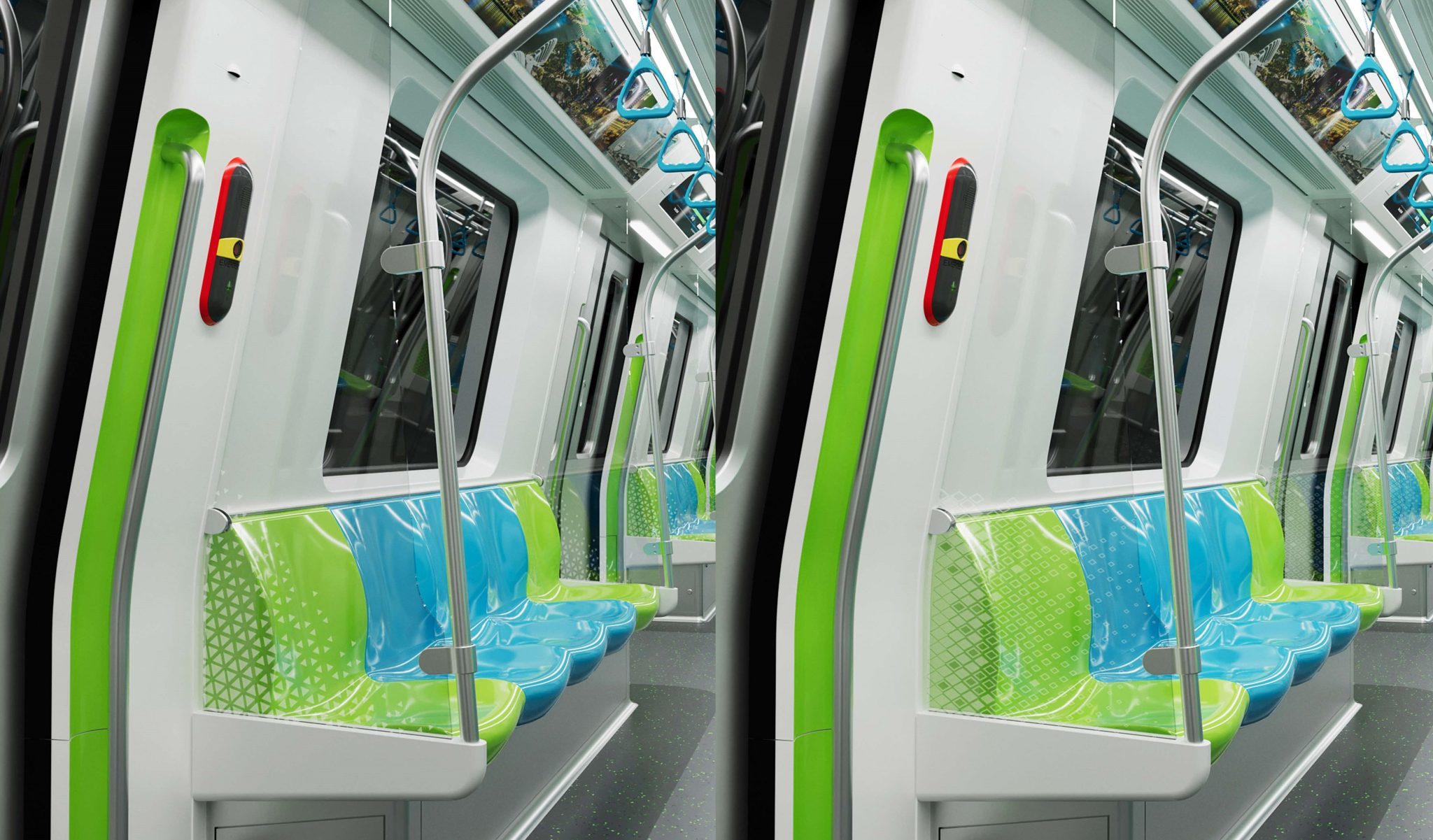
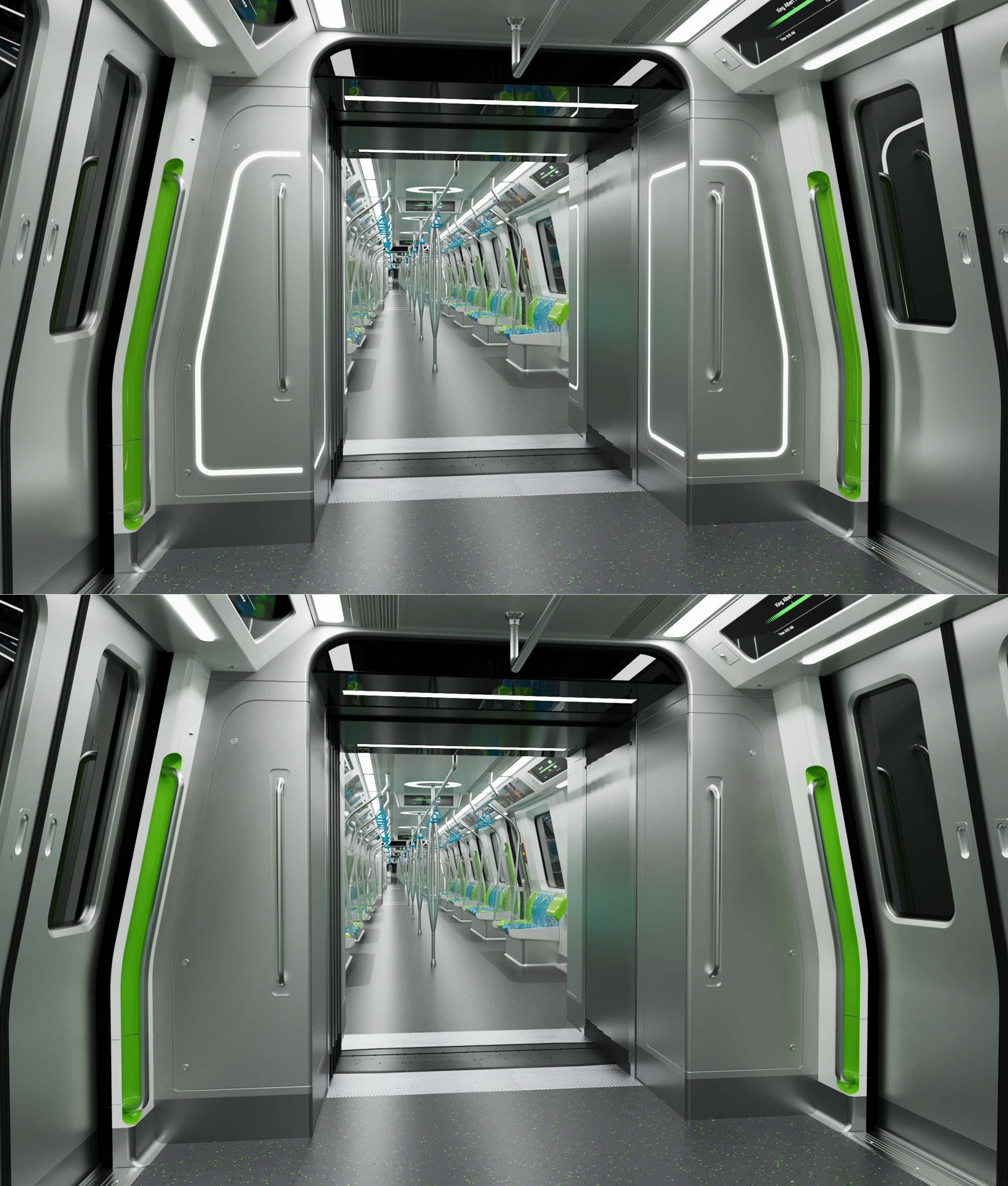
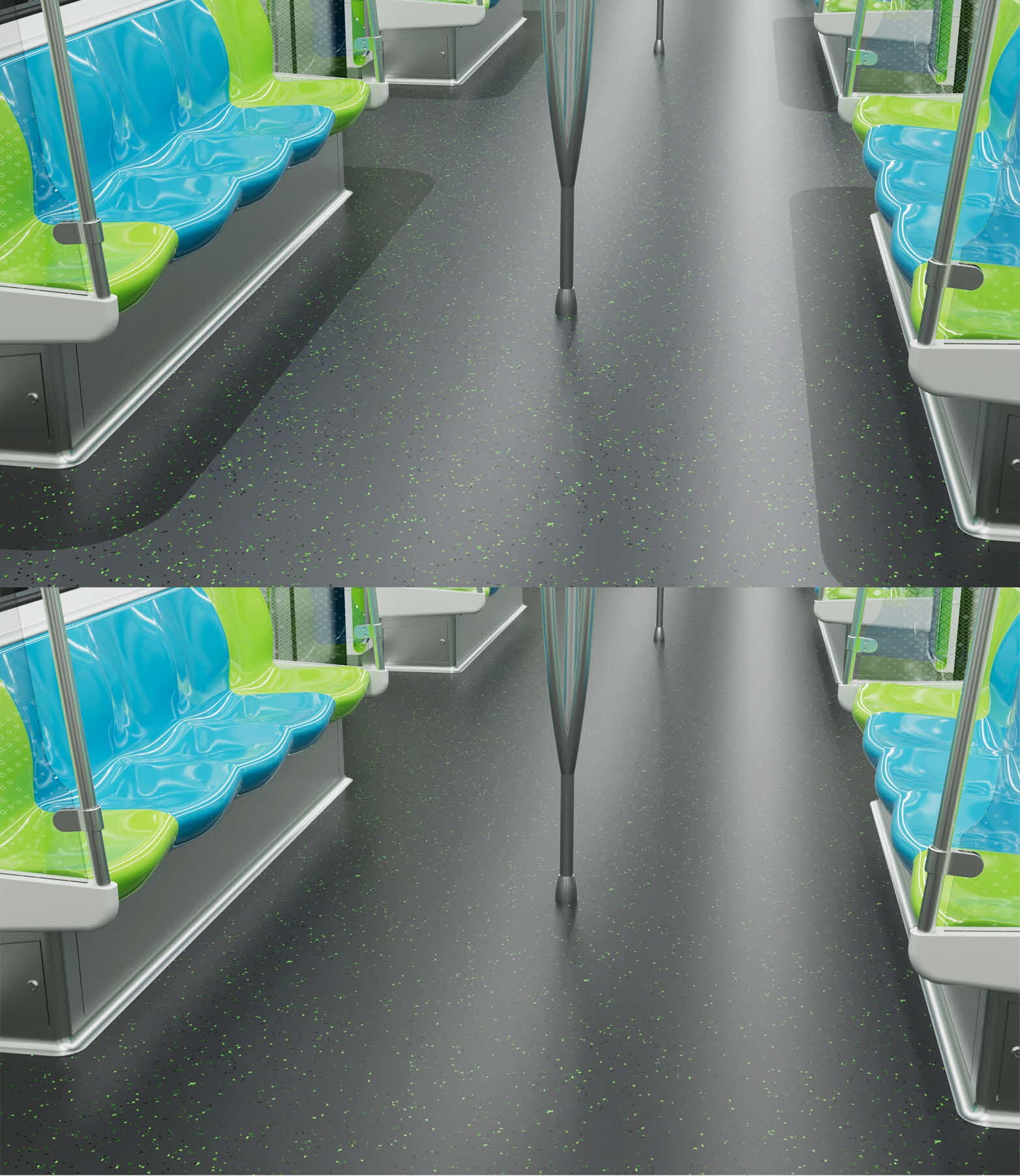
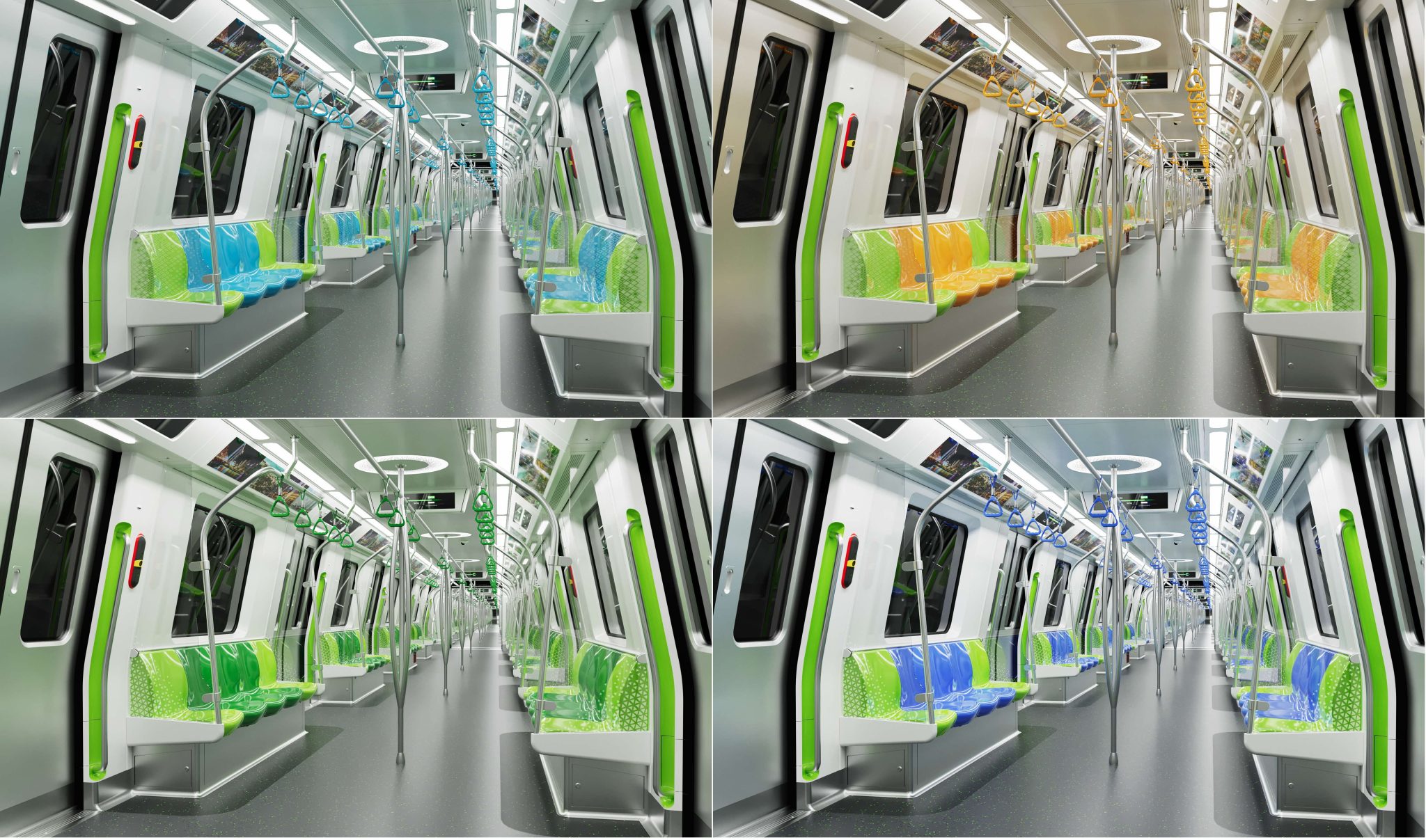
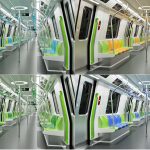
In May 2024, the Mixed Reality Mock-up of the future Cross Island Line train opened in the Singapore Mobility Gallery, located within the Land Transport Authority’s headquarters at Hampshire Road.
Visitors may vote on the preferred design from 27 May 2024 to 27 June 2024.
Options include:
- Door Pillar Paint
- Draughtscreen Motif
- Gangway Lighting
- Floor Covering Pattern
- Interior Colours
- Perch Seats
- Seat Profile
- Design of Straphangers

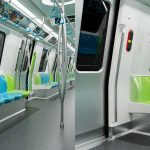
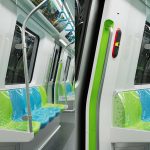
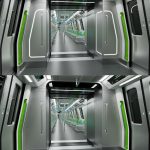
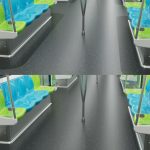
Gallery
References
- First phase of Cross Island MRT line finalised; will have 12 stations – The Straits Times
- Purchase of 44 New Trains for the Cross Island Line – Land Transport Authority
- LTA Facebook Post [Retrieved 24 May 2024]
- LTA Facebook Post [Retrieved 31 May 2026]
- Factsheet: Cross Island Line Trains: Features and Testing on Track – Land Transport Authority [Retrieved 31 Jul 2026]
Back to Rolling Stock
The CRL contracts are indeed named “CR1xx” for CRL Phase 1.
For Phase 2 it’s “CR2xx”.
For Punggol branch it’s “Pxxx”.
Hence, going by the naming convention of CRL contracts, trains for CRL is indeed “CR151”. The “CR” here refers to CRL. “Contract CR151” can be abbreviated to “CCR151” or “C-CR151”.
As for the “CR151” for NSEWL train replacement, the “C” is for “Contract” while the contract number is “R151”. So “Contract R151” can be abbreviated to “CR151”.
Hence, to avoid confusion and clashes, we just call the new NSEWL trains as “R151” or simply just “Bombardier/Alstom NSEWL trains”. Similarly, we just call the TEL trains “T251” or simply just “TEL Trains” and JRL trains as “J151″/”JRL Trains”.
But then the Alstom Movia R151 is not in a line that’s start with “R”.
i hope Siemens or Alstom will awarded
I understand that the contract number clash with the NSEWL replacement train contract, until the latter has to rename.
Actually, there are still C numbers that can be used, right?
C151, C651, C751A, C751B, C830, C951, CT251, C151A, C151C.
C4 looks very stylish, and sounds very sturdy.
More importantly, it is available.
Could have just called the first generation trains C451, then subsequent trains C452, C453, C454, etc.
Why go and clash the name?
Also, where’s the screenshot or web address that CR151 is the contract number for the Cross Island Line trains?
What?! Arent the CR151 meant for the NSEWL replacements for the c151, c651, c751b?
Hi, are you sure you got the contract number correct? CR151 is the contract number used for the NSEWL new generation trains.