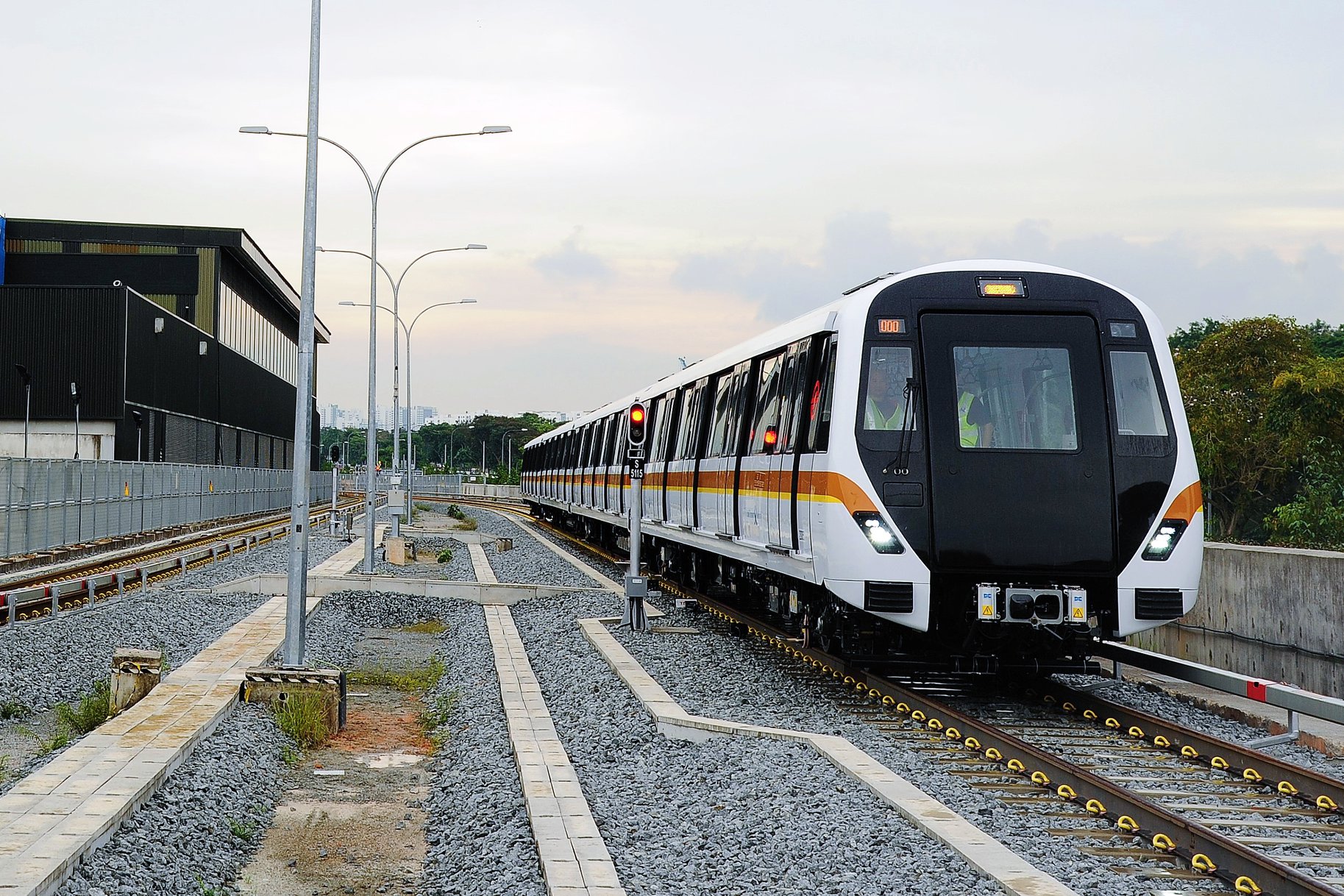
| Kawasaki Heavy Industries & CRRC Qingdao Sifang T251 | |
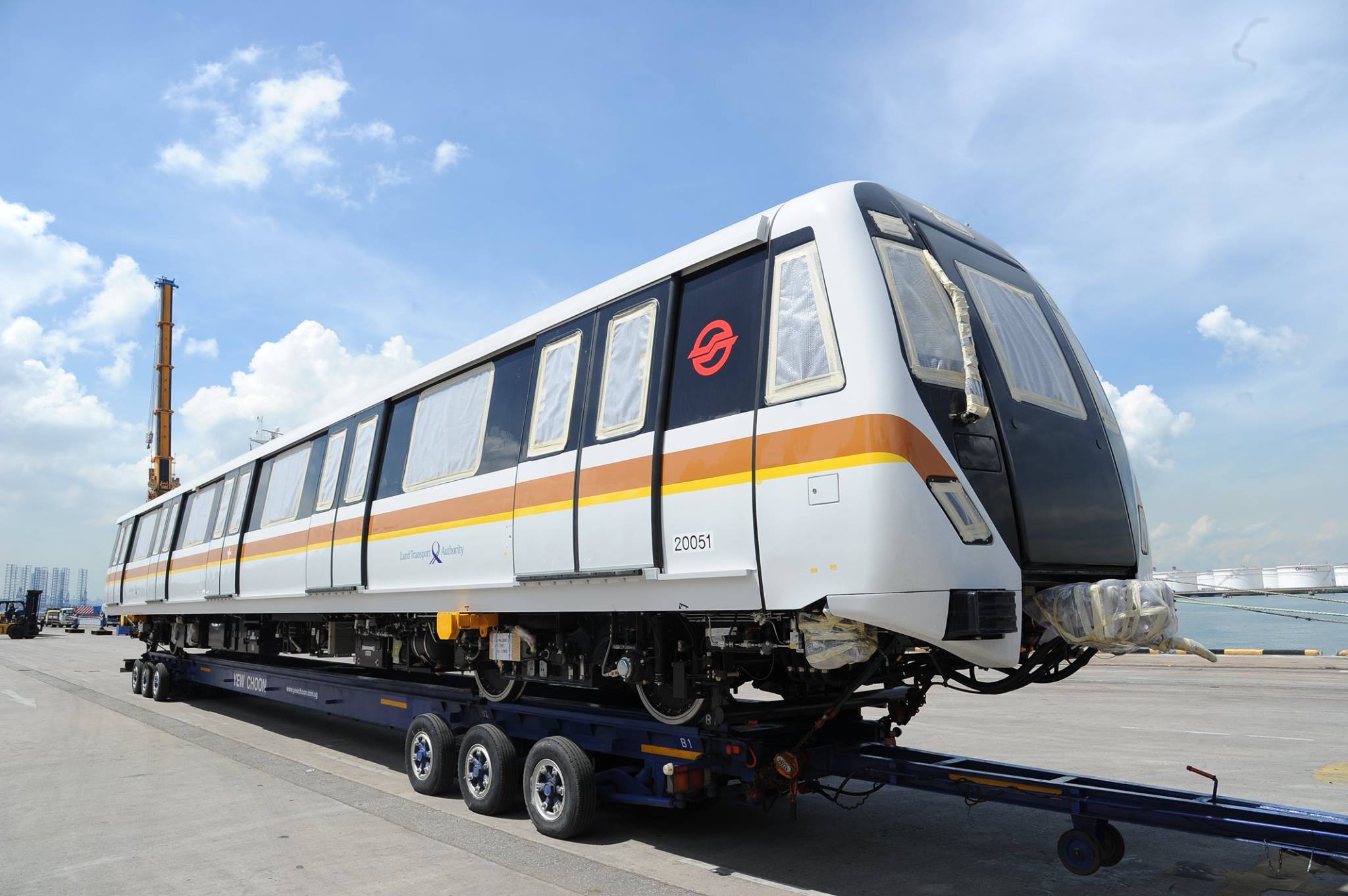 |
|
| In service | 2020 – |
| Manufacturer | Kawasaki Heavy Industries with CRRC Sifang |
| Constructed | 2015 – |
| Number built | 364 Vehicles (91 trainsets) |
| Formation | 4 cars per trainset DM–M–T–DM |
| Fleet number | PV01 – PV91 (2001 – 2091) |
| Operator | SMRT Trains |
| Depot(s) | Mandai East Coast (Future) |
| Line Served | Thomson-East Coast Line |
| Technical Data | |
| Car body | Welded aluminium |
| Doors | 10 per car |
| Electrification | 750 V DC third rail |
| Track gauge | Standard Gauge (1435mm) |
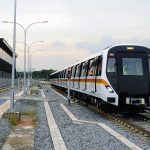
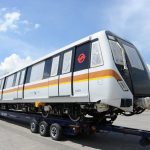
The Kawasaki Heavy Industries & CRRC Qingdao Sifang T251, alternatively the (Contract T251 train; T251), is an electric multiple unit (EMU) train operating on the Thomson-East Coast Line (TEL). Entering service in 2020, these were the Thomson-East Coast Line’s first generation of rolling stock.
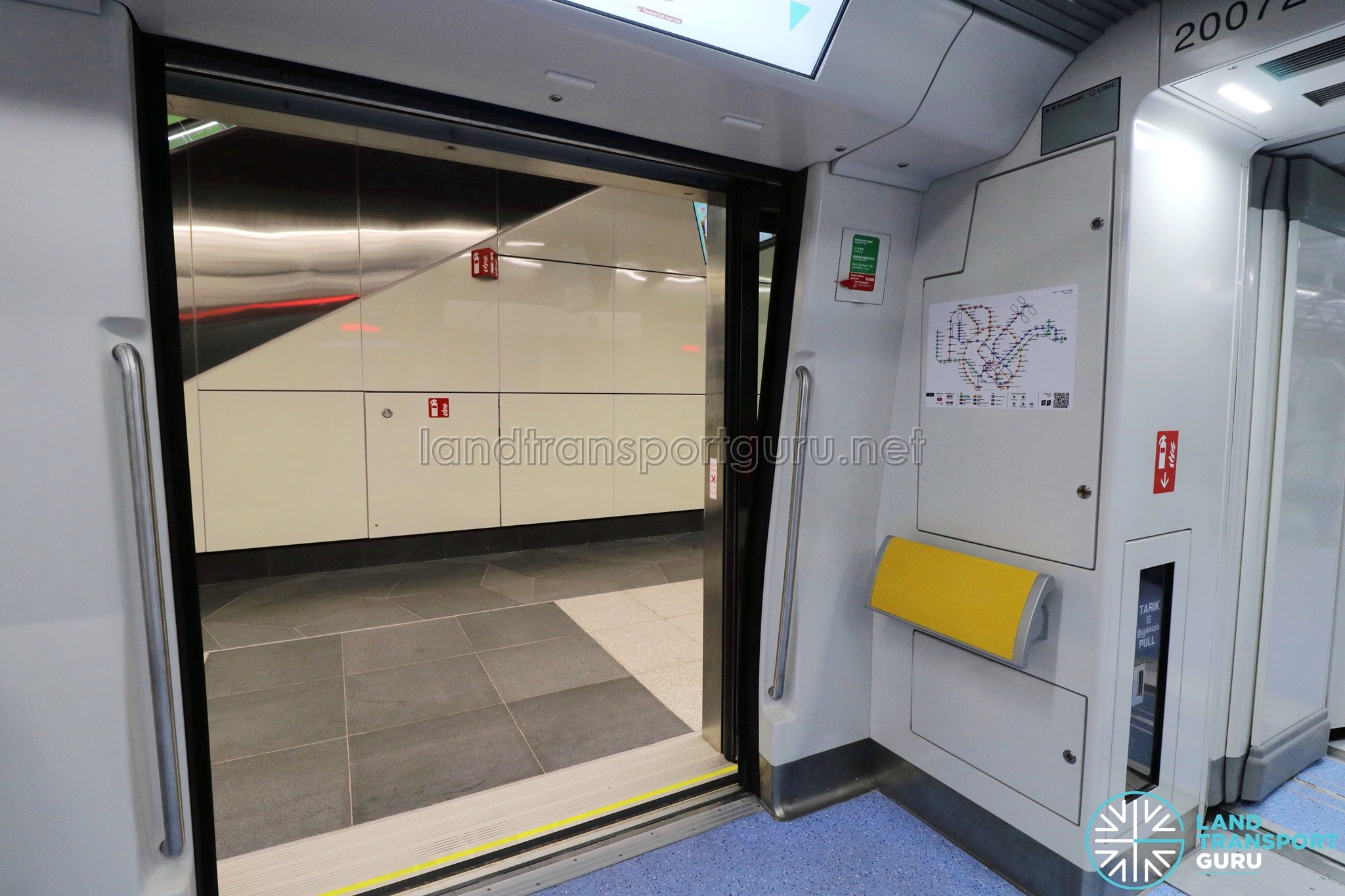
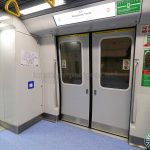
91 trainsets comprising four cars each were procured, manufactured from 2015 by Kawasaki Heavy Industries and CRRC Sifang in Qingdao, China. They are the first trains in Singapore to feature ten passenger doors per carriage (five on each side).
Background
Awarded to Japanese-Chinese consortium Kawasaki Heavy Industries and CSR Qingdao Sifang (now CRRC Qingdao Sifang) in May 2014, Contract T251 (T251) for the procurement of rolling stock called for of 91 trainsets of four cars each, at a total value of S$749.8 million.
The consortium beat Alstom, Hyundai Rotem, Bombardier/CSR Changchun, CAF and CSR Zhuzhou/Siemens for the lowest cost offered. In addition, the consortium also delivered 92 six-car trainsets for the North South and East West Lines under contracts C151A, C151B and C151C.
Kawasaki was responsible for the overall project management, design, manufacturing of bogies and procurement of major components. CRRC Qingdao Sifang was in charge of manufacturing, final fitting and assembly of complete MRT trains and factory testing. Kawasaki (Singapore) was responsible for the delivery of complete MRT trains to the depot, on-site testing and commissioning.
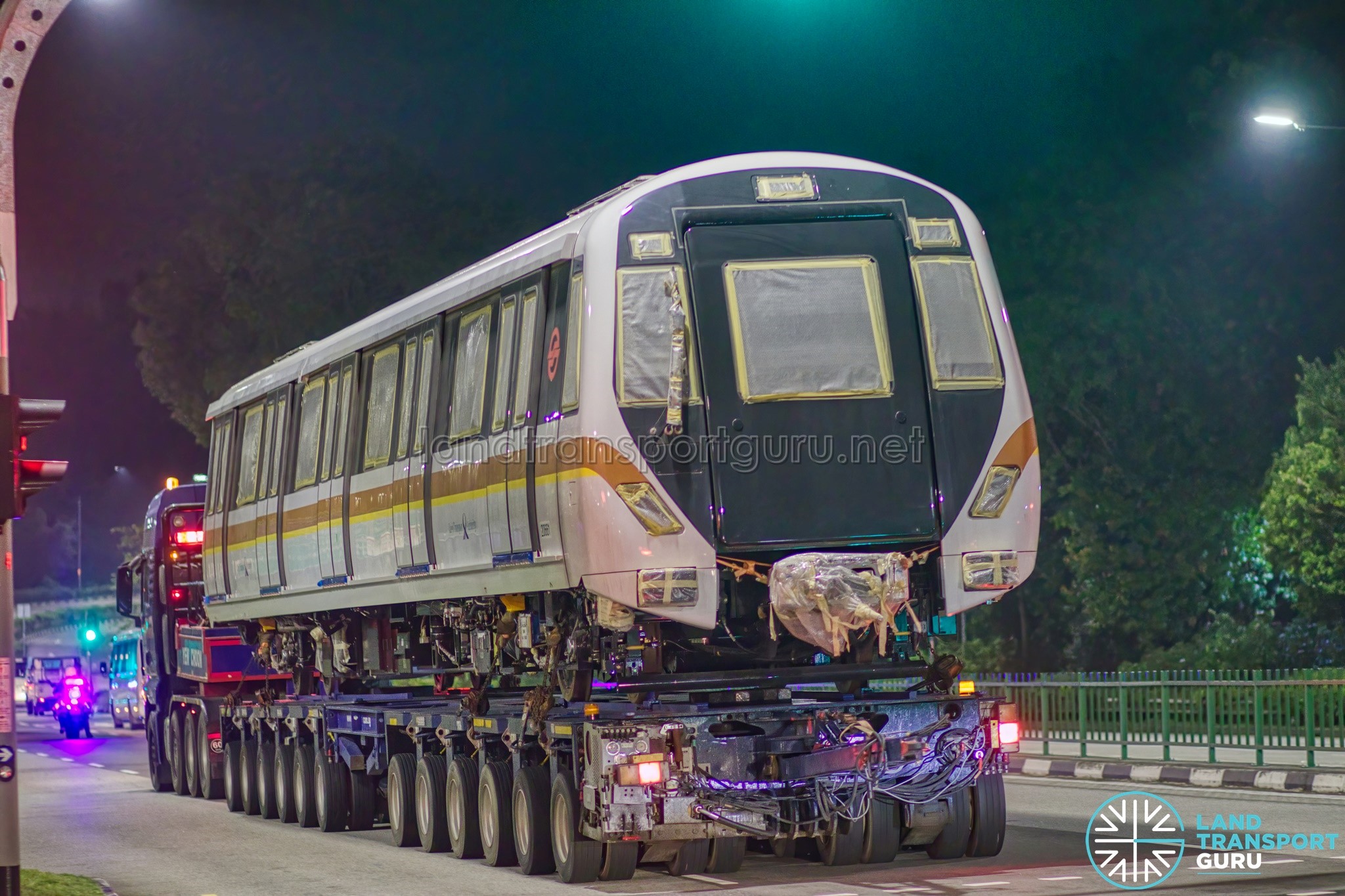
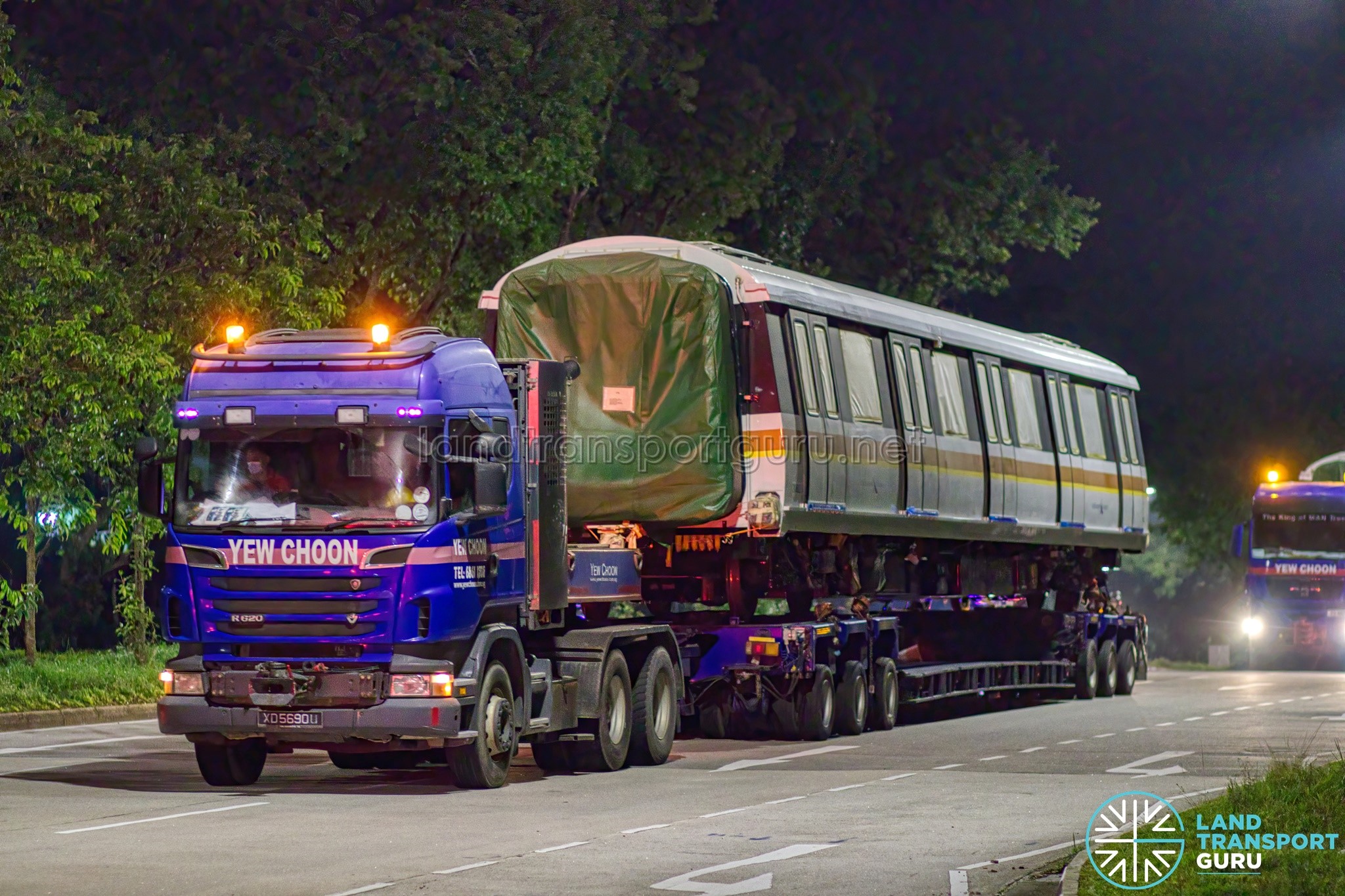
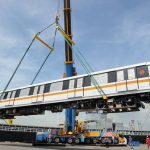
The first of these trains were delivered in May 2018, ahead of the Thomson-East Coast Line opening, and equipped with the Alstom Urbalis 400 CBTC signalling system. All 91 trains are expected to be delivered by 2022.
Tender Results (Click to expand)| 1 | Alstom Transport S.A. – Alstom Transport (S) Pte Ltd Consortium | S$ 954,410,000 |
| 2 | Kawasaki Heavy Industries, Ltd. / Kawasaki Heavy Industries (Singapore) Pte Ltd & CSR Qingdao Sifang Consortium | S$ 749,840,000 |
| 3 | Hyundai Rotem | S$ 765,856,000 |
| 4 | Bombardier (Singapore) Pte Ltd, Bombardier Transportation GmbH & Changchun Bombardier Railway Vehicles Company Ltd Consortium | S$ 810,179,619 |
| 5 | Construcciones Y Auxilliar De Ferrocarriles, S. A. | S$ 939,645,996 |
| 6 | CSR Zhuzhou Electric Locomotive Co., Ltd. / Siemens Pte Ltd, Singapore Consortium | S$ 849,623,569 |
Former RTS Link Rolling Stock
Plans for the Singapore–Johor Bahru Rapid Transit System (RTS Link) to use the same rolling stock as TEL (i.e. the T251 trains) first surfaced at the Joint Statement issued at the Malaysia-Singapore Leaders’ Retreat in Putrajaya held in December 2016. These plans were then affirmed in the legally-binding Bilateral Agreement signed by both countries on 16 January 2018.
However, technical changes to the project initiated by Malaysia to reduce project cost led to the full decoupling of the RTS Link from the Thomson-East Coast Line, thus precluding the use of T251 trains on the RTS Link. The RTS Link would be built as a medium-capacity MRT line, similar to the Jurong Region Line (JRL) and its Hyundai Rotem J151 rolling stock. These plans were affirmed in the Restated Bilateral Agreement signed on 30 July 2020.
Current Design
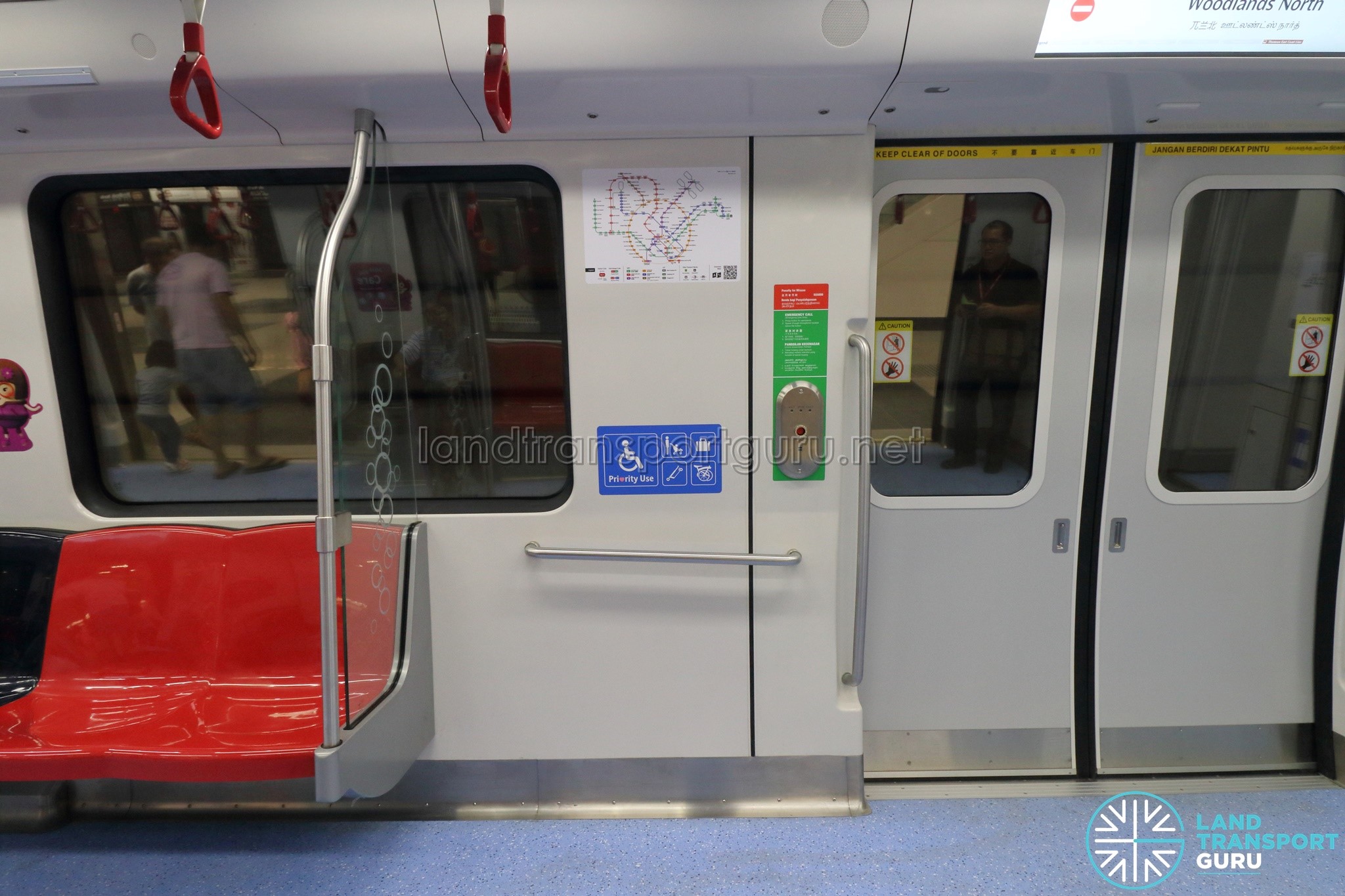
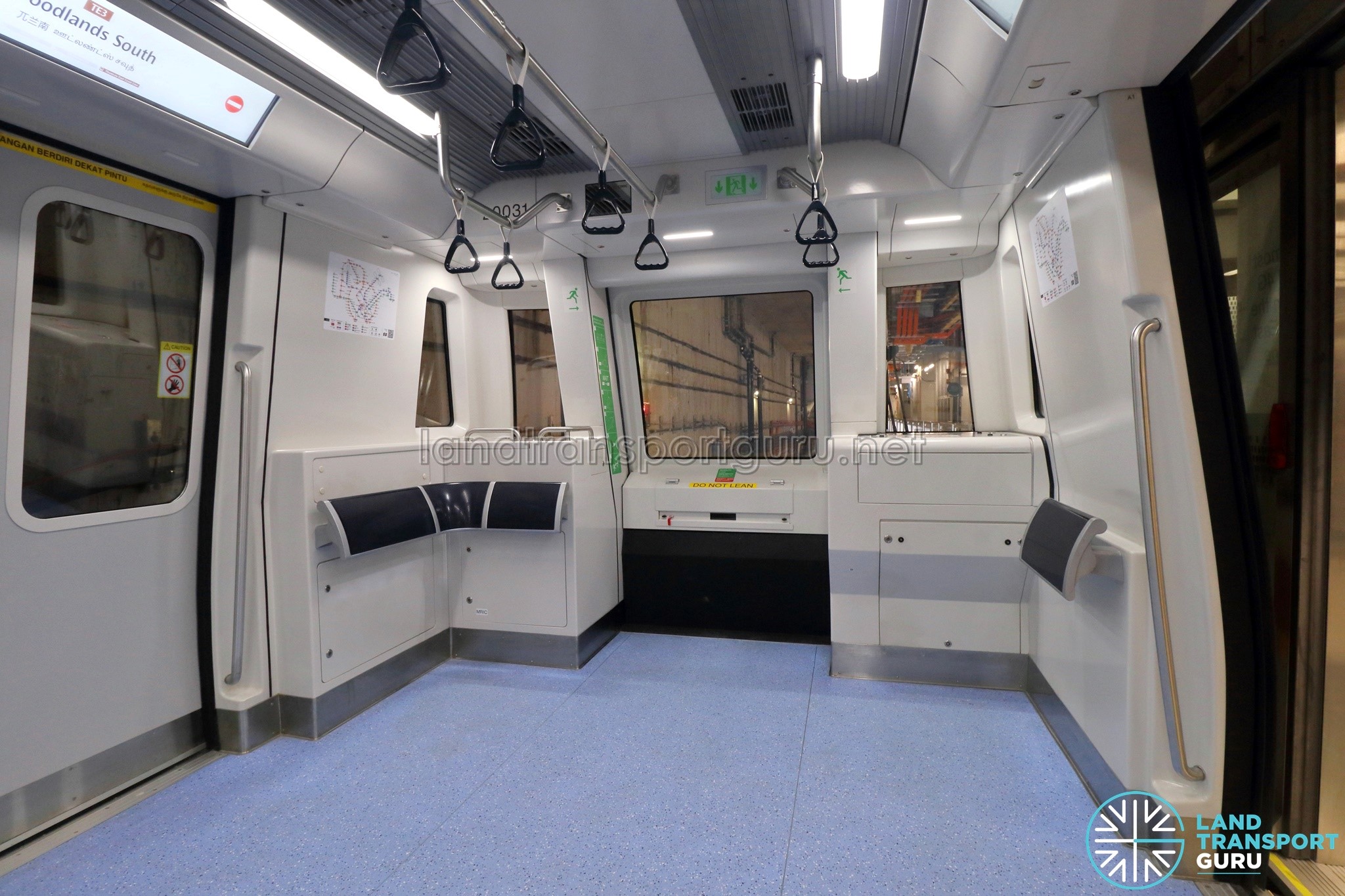
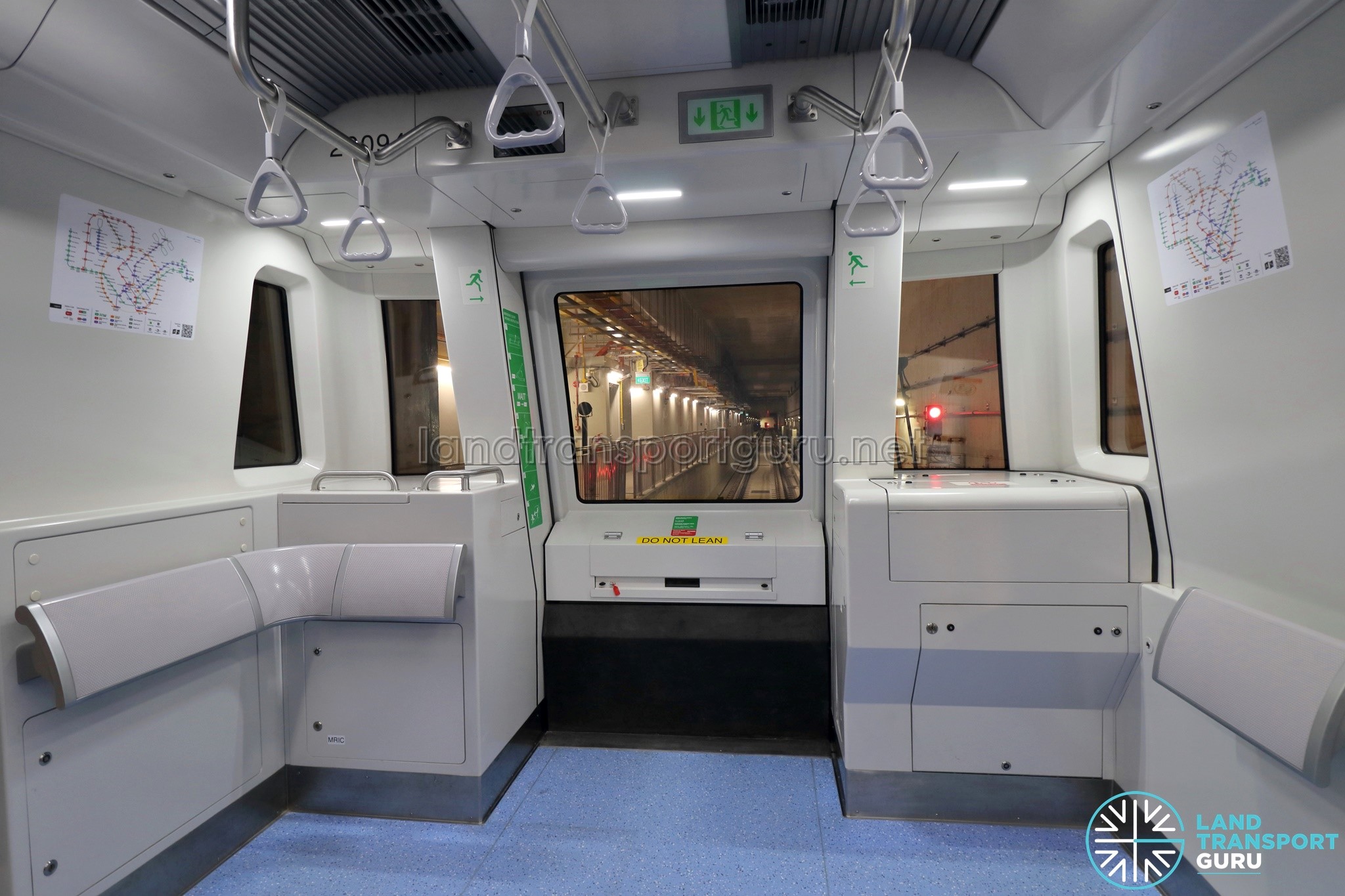
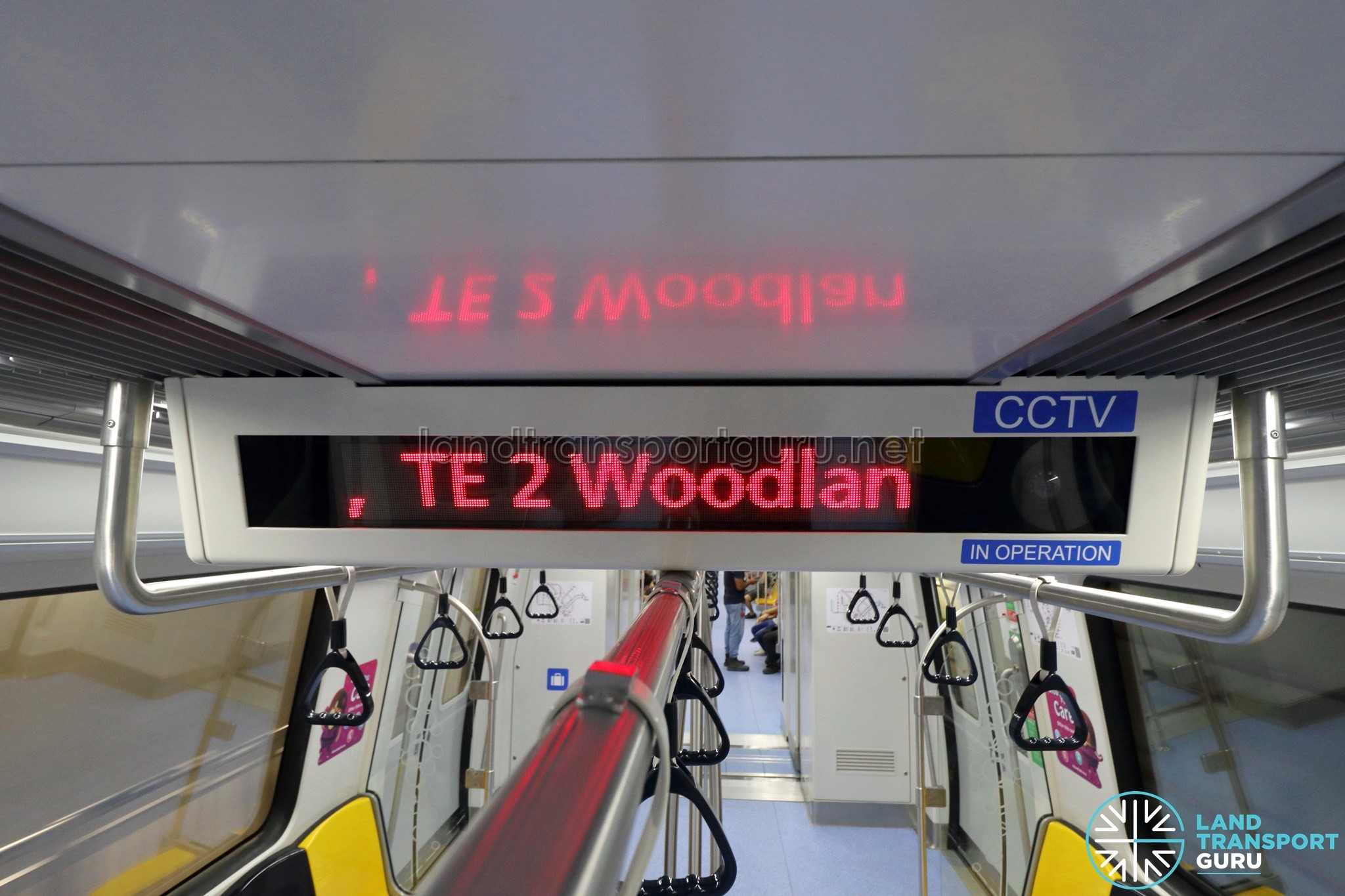
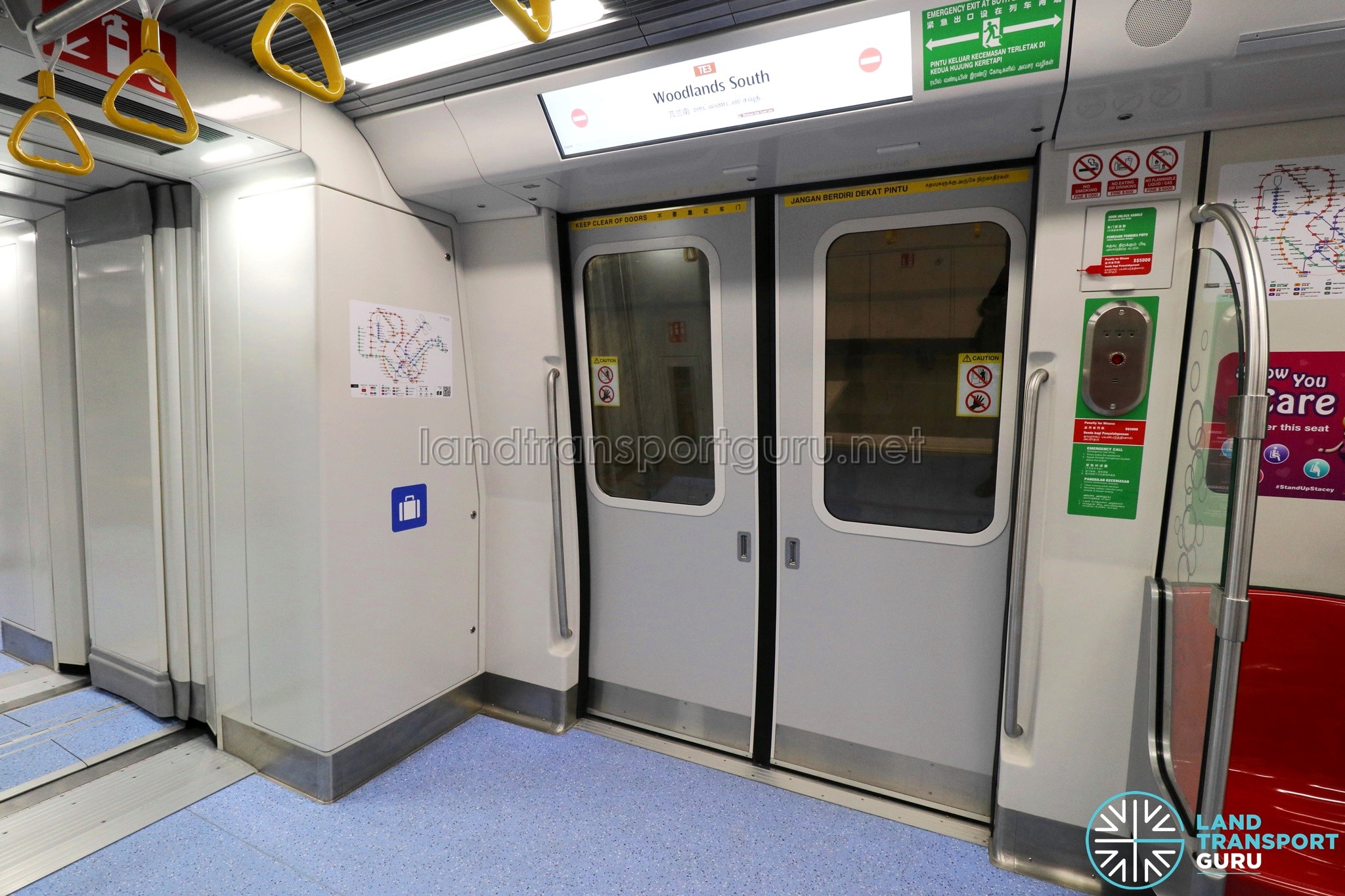
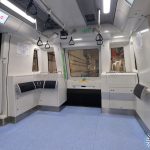
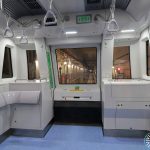
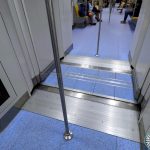
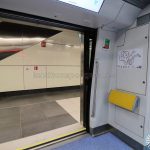
All T251 trains are comprised of four cars with open gangway connections between all cars. Each car has five doors on each side, instead of four on other MRT trains, to facilitate quicker and smoother boarding and alighting. The interior features longitudinal seating, with tip-up seats for additional standing space (for some trains). Perch seats were also included at the ends of train carriages, similar to C951 trains on the Downtown Line.
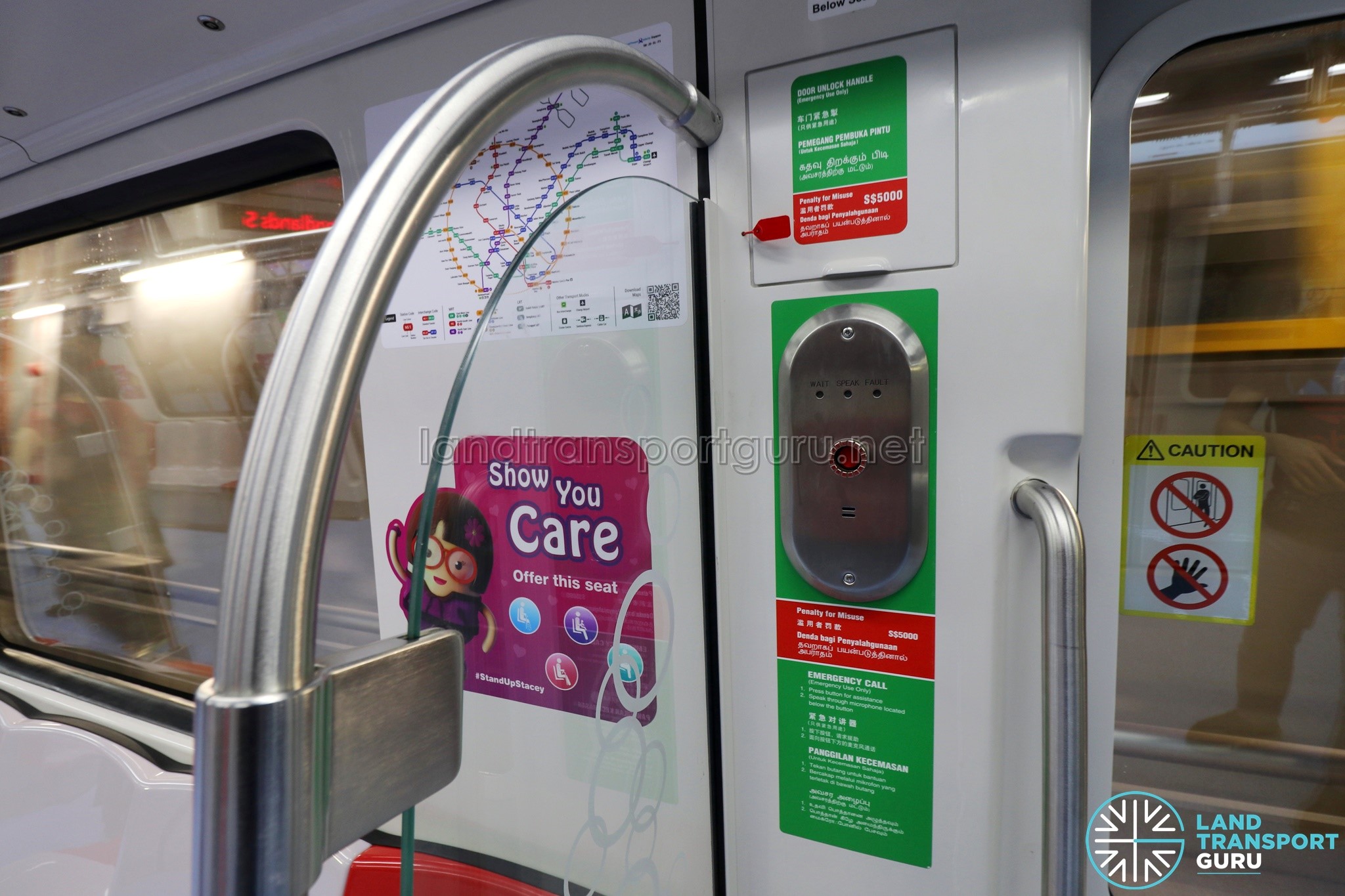
Each train car features a different colour scheme. Seats next to each door are designated as priority seats and use a different colour.
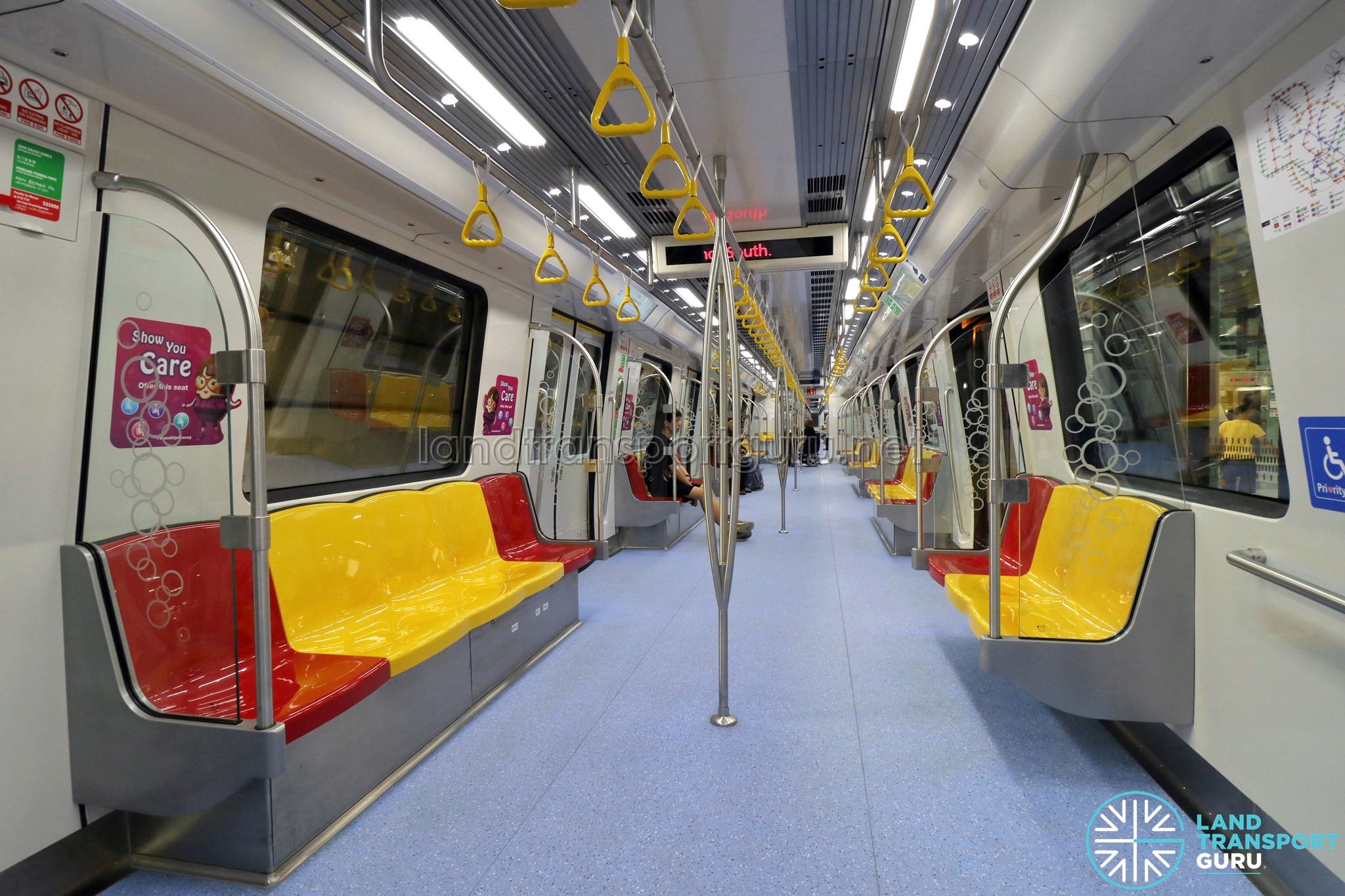
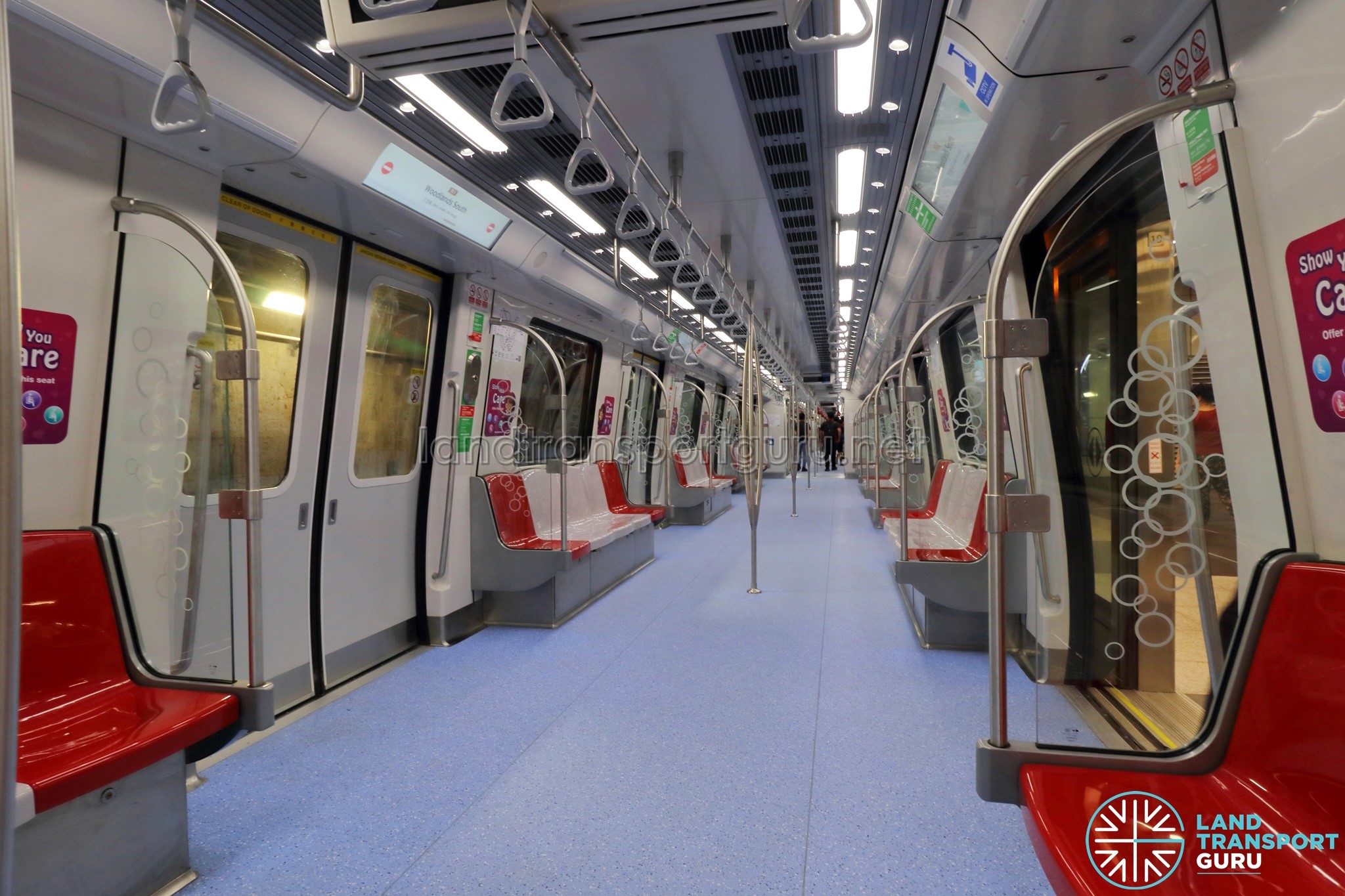
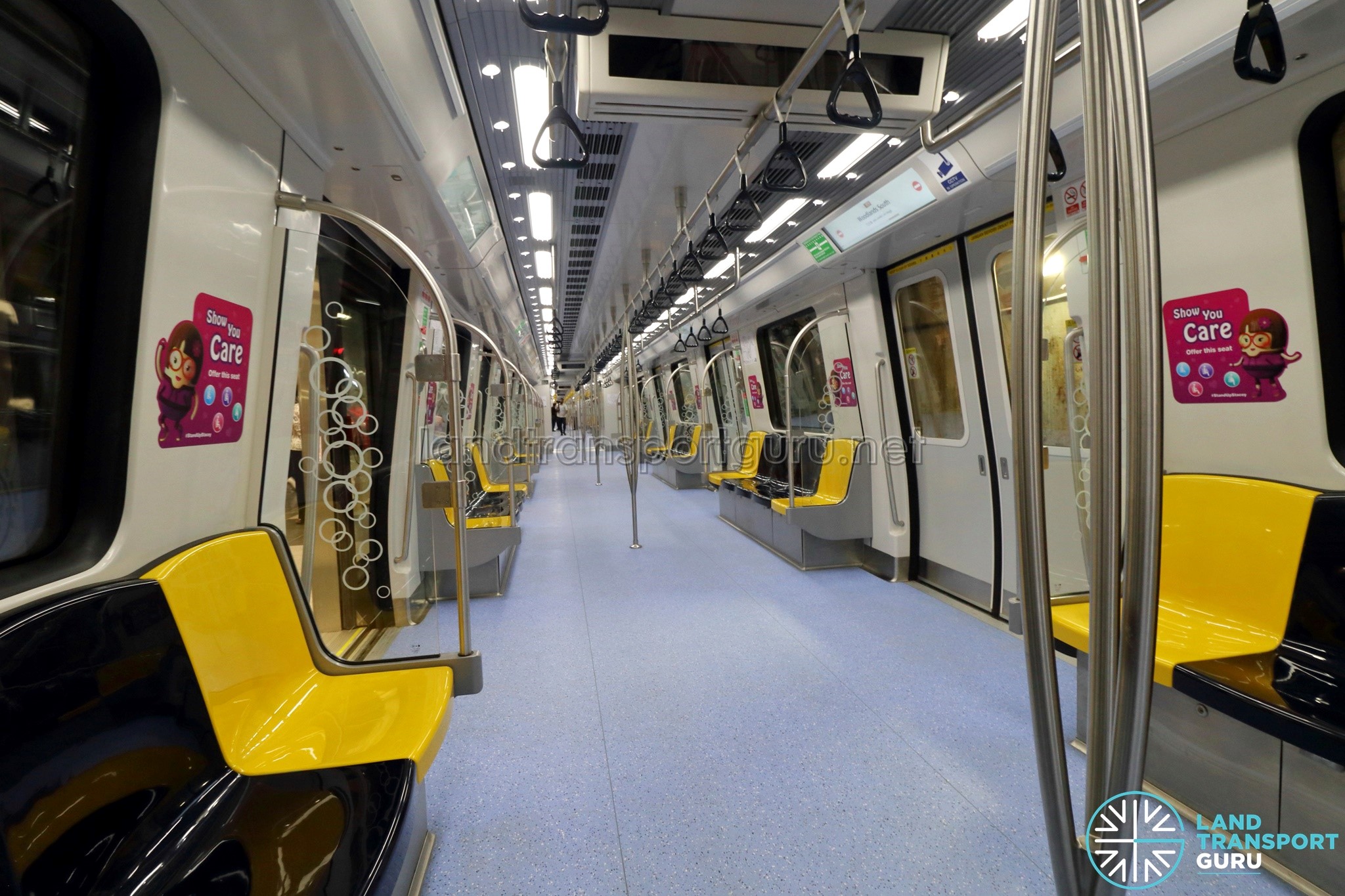
After the first trainset was delivered, it was announced that about 60 of the fleet of 91 four-car trains would also have tip-up seats, which offers more standing space for commuters during rush hours. There would be 10 rows of tip-up seats per train, making up 25 per cent of the seat bays. There are 61 trains with this configuration, namely trainsets PV12 to PV72.
Two of the T251 trains (trainsets PV12 & PV13; on cars 20123 & 20133) are be fitted with the automatic track inspection system, comprising cameras, lasers and sensors which would help to detect defects on the tracks, such as rail cracks, missing track-rail fasteners or even foreign objects.
Train Formation
A T251 trainset consists of two driving trailers (DT), one intemediate motor car (M) and one trailer car (T). The formation of a T251 trainset is therefore arranged as DM1–M–T–DM2. A total of 91 T251 trainsets, comprising 364 cars altogether, operate on the Thomson-East Coast Line.
Each trainset is assigned a Passenger Vehicle (PV) number for the Thomson-East Coast Line, with the T251 fleet designated from PV01 to PV91.
Individual cars are identified using a five-digit numbering system ranging from 2001x to 2091x, where the final digit indicates the car type within the trainset.
For example, trainset PV34 consists of cars 20341–20342–20343–20344. Depending on the direction of travel, the order of the cars may appear reversed.
Among local rail enthusiasts, trainsets are also commonly referred to by the first 4 digits of their car numbers, such as Set 2001, 2002 and so on up to Set 2091.
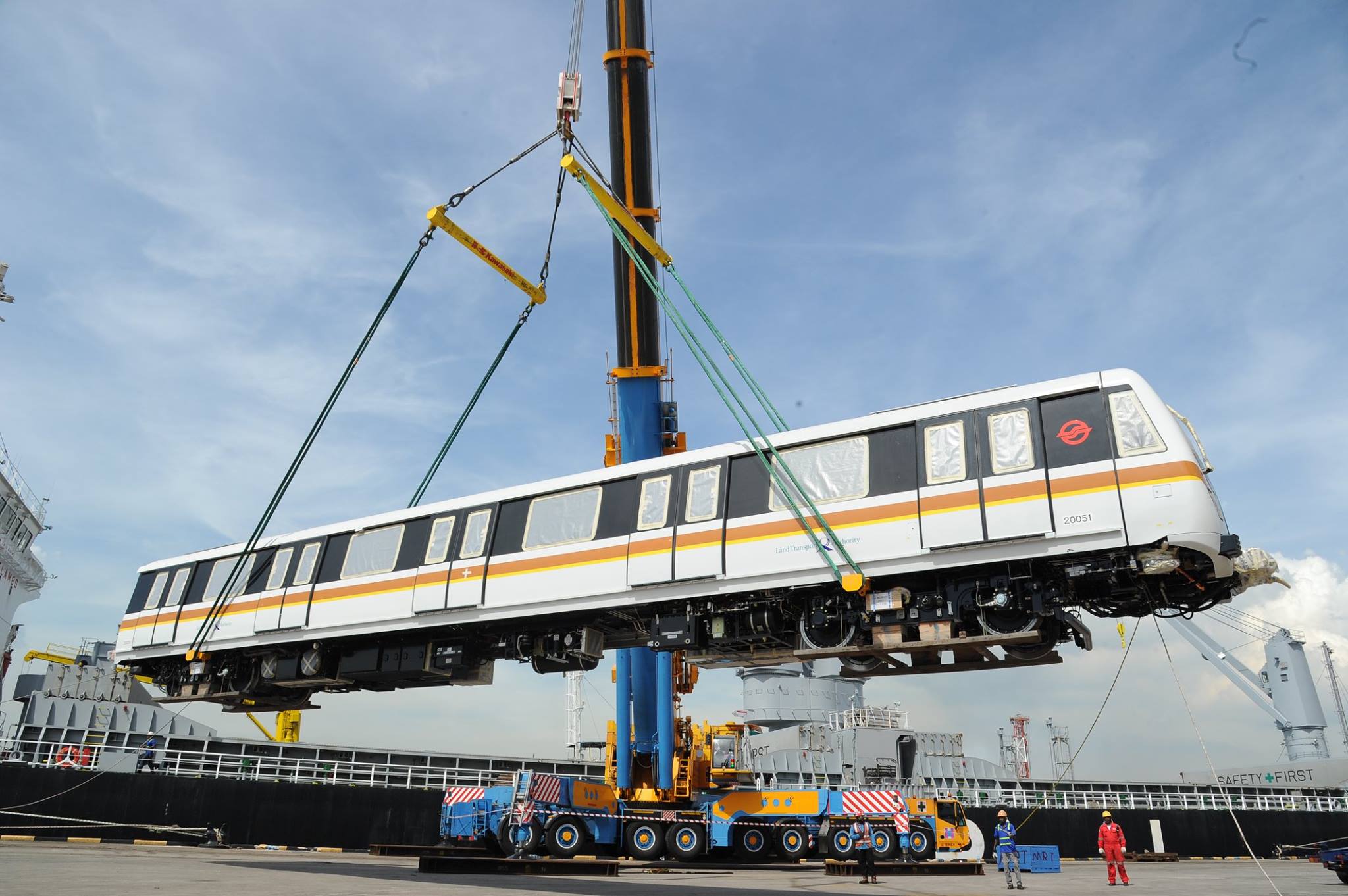
Train Delivery
Gallery:


Other Photos:

External Links & References
- Singapore’s Land Transport Authority Orders 364 MRT Cars for New Line – Kawasaki
- LTA receives first of 91 trains for Thomson-East Coast Line – Straits Times
- Tip-up seats, extra doors, track inspection systems for Thomson-East Coast Line trains – Straits Times
- Joint Statement by Prime Minister Dato’ Sri Mohd Najib Tun Abdul Razak and Prime Minister Lee Hsien Loong at the Malaysia-Singapore Leaders’ Retreat in Putrajaya on 13 December 2016 – Ministry of Foreign Affairs
- Joint Statement by Singapore and Malaysia on Resumption of the Johor Bahru – Singapore Rapid Transit System Link Project – Ministry of Transport
Back to Trains
I wonder if it renovates one day?
Also service to sungai bedok
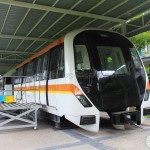
Anyone know where the mockup train is now? Still at LTA gallery?
No it has been replaced with the CJ151 Mock-Up.
The T251 mockup is now at a university in Singapore.
mockup was spotted at singapore polytechnic.